
Focus on the BIG picture.
Tuesday, Aug 25, 2026
Outside the box.

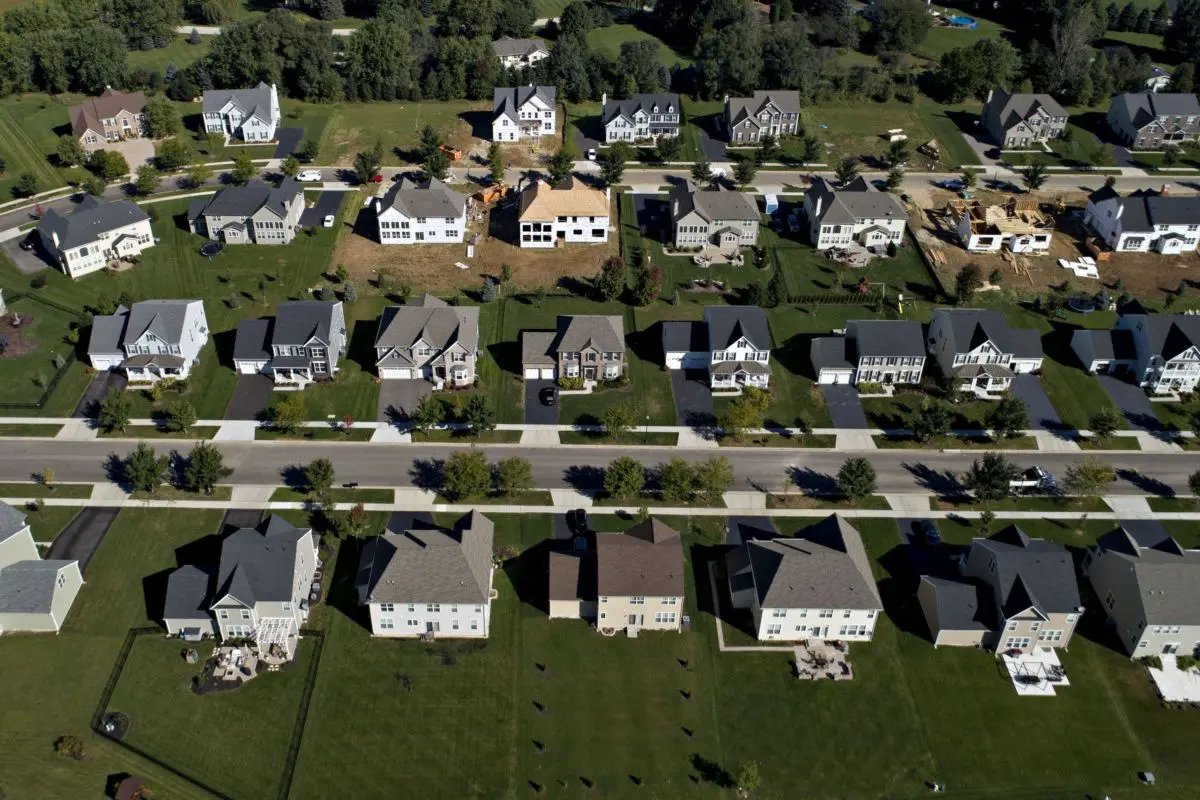
White House Launches $200 Billion Mortgage-Bond Initiative to Lower U.S. Home Loan Rates
Trump directs large mortgage-backed securities purchases to reduce borrowing costs and address housing affordability
President Donald Trump has unveiled a major housing market intervention by instructing federal representatives to purchase $200 billion in mortgage-backed securities, a move intended to bring down mortgage interest rates and ease the cost of homeownership for Americans.
The bold initiative is part of the administration’s broader effort to respond to public concerns about housing affordability and borrowing costs ahead of the midterm elections.
In a social media announcement, Trump said the directive would “drive mortgage rates down, monthly payments down, and make the cost of owning a home more affordable,” highlighting the strategic use of the substantial liquidity held by government-backed housing finance entities Fannie Mae and Freddie Mac.
Federal Housing Finance Agency Director Bill Pulte confirmed that the agencies would execute the purchases, although specifics on timing and structure have not been detailed.
The plan echoes past central bank strategies, notably the Federal Reserve’s extensive mortgage-backed securities purchases during the COVID-19 pandemic, which helped push long-term mortgage rates to historic lows as part of broader quantitative easing efforts.
Trump framed the new measure as a continuation of such policies, emphasising that his choice not to privatise Fannie and Freddie in his first term left them well-positioned to support the housing market today.
Markets responded swiftly to the announcement, with the average 30-year mortgage rate dipping below six per cent for the first time in nearly three years.
Analysts attributed the drop to narrowed spreads between mortgage bond yields and U.S. Treasury rates following news of the forthcoming purchases, and reported increased activity among homebuilders and mortgage lenders.
Despite the initial positivity, economists caution that a one-time or even phased purchase of mortgage bonds may have only a modest effect on long-term rates, given the scale of the broader mortgage market.
Some experts note that broader structural issues, such as limited housing inventory and demographic demand pressures, could temper the impact of lower rates.
Nevertheless, the administration positions the $200 billion plan as a significant and direct effort to tackle rising housing costs and support potential buyers and refinancers in the current market environment.
Treasury officials also indicate that the initiative seeks to roughly match the pace of the Federal Reserve’s ongoing reduction of mortgage securities on its balance sheet, aiming to stabilise bond demand and maintain downward pressure on mortgage yields.
With housing costs a central concern for many voters, the White House’s mortgage-bond strategy adds a prominent fiscal dimension to its affordability agenda.
The bold initiative is part of the administration’s broader effort to respond to public concerns about housing affordability and borrowing costs ahead of the midterm elections.
In a social media announcement, Trump said the directive would “drive mortgage rates down, monthly payments down, and make the cost of owning a home more affordable,” highlighting the strategic use of the substantial liquidity held by government-backed housing finance entities Fannie Mae and Freddie Mac.
Federal Housing Finance Agency Director Bill Pulte confirmed that the agencies would execute the purchases, although specifics on timing and structure have not been detailed.
The plan echoes past central bank strategies, notably the Federal Reserve’s extensive mortgage-backed securities purchases during the COVID-19 pandemic, which helped push long-term mortgage rates to historic lows as part of broader quantitative easing efforts.
Trump framed the new measure as a continuation of such policies, emphasising that his choice not to privatise Fannie and Freddie in his first term left them well-positioned to support the housing market today.
Markets responded swiftly to the announcement, with the average 30-year mortgage rate dipping below six per cent for the first time in nearly three years.
Analysts attributed the drop to narrowed spreads between mortgage bond yields and U.S. Treasury rates following news of the forthcoming purchases, and reported increased activity among homebuilders and mortgage lenders.
Despite the initial positivity, economists caution that a one-time or even phased purchase of mortgage bonds may have only a modest effect on long-term rates, given the scale of the broader mortgage market.
Some experts note that broader structural issues, such as limited housing inventory and demographic demand pressures, could temper the impact of lower rates.
Nevertheless, the administration positions the $200 billion plan as a significant and direct effort to tackle rising housing costs and support potential buyers and refinancers in the current market environment.
Treasury officials also indicate that the initiative seeks to roughly match the pace of the Federal Reserve’s ongoing reduction of mortgage securities on its balance sheet, aiming to stabilise bond demand and maintain downward pressure on mortgage yields.
With housing costs a central concern for many voters, the White House’s mortgage-bond strategy adds a prominent fiscal dimension to its affordability agenda.