Focus on the BIG picture.
Saturday, Dec 20, 2025
Outside the box.

White House Secures Nine New ‘Most Favored Nation’ Drug Pricing Agreements with Major Pharmaceutical Firms
Trump unveils a broad set of deals aimed at aligning U.S. drug prices with costs in other developed nations and expanding access through a federal platform
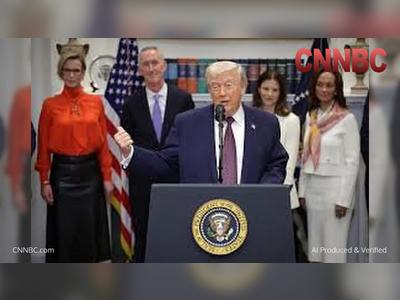
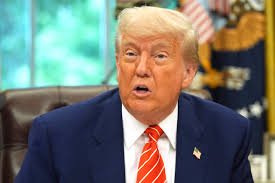
President Donald Trump and senior White House officials announced a new set of nine “most favored nation” pricing agreements with leading global pharmaceutical companies, representing a major expansion of the administration’s effort to bring down prescription drug costs in the United States.
The agreements with Amgen, Boehringer Ingelheim, Bristol Myers Squibb, Gilead Sciences, GlaxoSmithKline, Merck, Novartis, Sanofi and Genentech follow earlier deals with Pfizer, AstraZeneca, Eli Lilly and others under the Trump administration’s “Delivering Most-Favored-Nation Prescription Drug Pricing to American Patients” framework, which seeks to align U.S. prices with the lowest prices paid in similarly wealthy countries.
Under the new accords announced on Friday, the companies committed to lowering prices on a range of medicines for government programmes such as Medicaid and for uninsured or cash-paying patients.
The pricing strategy covers new and existing drugs, with U.S. prices benchmarked against those in countries including the United Kingdom, Germany and Canada.
Participants in the initiative will also make selected medications available at discounted rates through TrumpRx, a forthcoming government-operated direct-to-consumer platform designed to enable Americans to purchase certain drugs online at reduced prices.
In return for participating in the “most favored nation” arrangements, the firms are granted a temporary reprieve from anticipated tariff actions and encouraged to expand domestic research, development and manufacturing.
Several companies, such as Bristol Myers Squibb, pledged additional support measures, including donations of active pharmaceutical ingredients and essential medicines to bolster national reserves.
Merck and its peers also agreed to significant U.S. investment commitments linked to production capacity and innovation.
Observers noted that the agreements reflect a blend of pricing discipline and industrial policy designed to support access while maintaining vibrant pharmaceutical investment.
The latest batch of deals brings the total number of major drugmakers engaged with the White House initiative to at least fourteen of the seventeen originally contacted, with remaining companies such as Johnson & Johnson expected to formalise agreements in the coming weeks.
Administration officials said they view the expanded participation as evidence of industry cooperation with federal objectives to reduce prescription drug costs and improve affordability for American patients, while preserving incentives for medical research and domestic production.
The agreements with Amgen, Boehringer Ingelheim, Bristol Myers Squibb, Gilead Sciences, GlaxoSmithKline, Merck, Novartis, Sanofi and Genentech follow earlier deals with Pfizer, AstraZeneca, Eli Lilly and others under the Trump administration’s “Delivering Most-Favored-Nation Prescription Drug Pricing to American Patients” framework, which seeks to align U.S. prices with the lowest prices paid in similarly wealthy countries.
Under the new accords announced on Friday, the companies committed to lowering prices on a range of medicines for government programmes such as Medicaid and for uninsured or cash-paying patients.
The pricing strategy covers new and existing drugs, with U.S. prices benchmarked against those in countries including the United Kingdom, Germany and Canada.
Participants in the initiative will also make selected medications available at discounted rates through TrumpRx, a forthcoming government-operated direct-to-consumer platform designed to enable Americans to purchase certain drugs online at reduced prices.
In return for participating in the “most favored nation” arrangements, the firms are granted a temporary reprieve from anticipated tariff actions and encouraged to expand domestic research, development and manufacturing.
Several companies, such as Bristol Myers Squibb, pledged additional support measures, including donations of active pharmaceutical ingredients and essential medicines to bolster national reserves.
Merck and its peers also agreed to significant U.S. investment commitments linked to production capacity and innovation.
Observers noted that the agreements reflect a blend of pricing discipline and industrial policy designed to support access while maintaining vibrant pharmaceutical investment.
The latest batch of deals brings the total number of major drugmakers engaged with the White House initiative to at least fourteen of the seventeen originally contacted, with remaining companies such as Johnson & Johnson expected to formalise agreements in the coming weeks.
Administration officials said they view the expanded participation as evidence of industry cooperation with federal objectives to reduce prescription drug costs and improve affordability for American patients, while preserving incentives for medical research and domestic production.