Focus on the BIG picture.
Sunday, May 10, 2026
Outside the box.

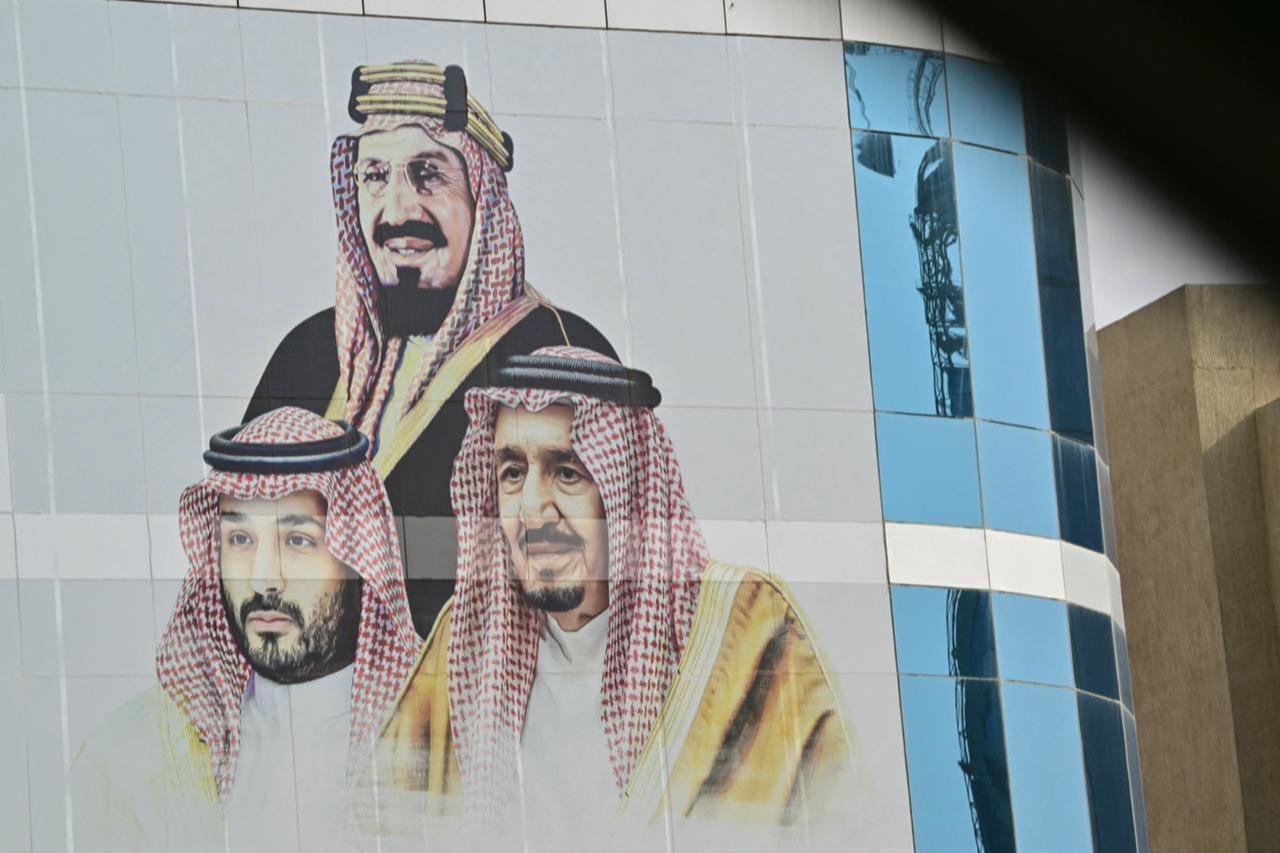
Gulf Airspace Restrictions Expose Limits of U.S.–Saudi Military Alignment
A reported breakdown in operational coordination highlights how regional access controls can constrain U.S. force projection and signal shifting Gulf autonomy in security decisions
A SYSTEM-DRIVEN constraint in U.S. military power projection through Gulf airspace access has emerged as the central issue in a reported episode involving a halted American operation often referred to in descriptions as "Project Freedom." At the core of the episode is a basic but decisive reality: modern U.S. military activity in the Middle East depends heavily on host-nation permission for basing, overflight, and logistical routing, particularly through Saudi Arabia, Kuwait, and Oman.
The account describes a scenario in which a large-scale U.S. naval and air operation was initiated with limited prior coordination with key regional partners.
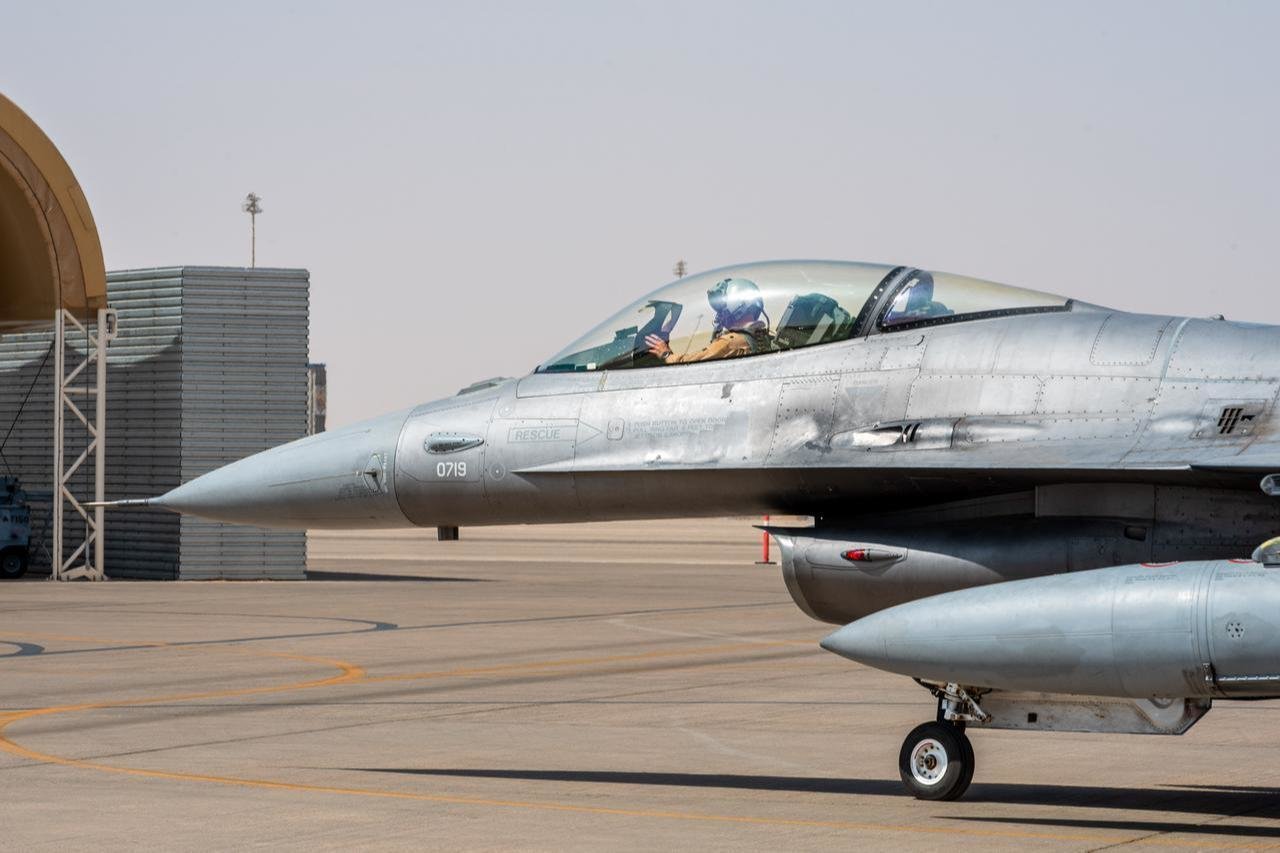
Within this sequence, Saudi Arabia is said to have withheld permission for U.S. military aircraft to operate from Prince Sultan Air Base and restricted the use of its airspace.
Kuwait is similarly described as limiting access to its facilities and air corridors.
These constraints, if accurately reported, would have removed critical infrastructure required for air cover and sustained operational support.
The operational design in question is portrayed as relying on layered capabilities, including naval assets, manned aircraft, and unmanned systems, supported by thousands of personnel.
In such a structure, air superiority and aerial refueling access are not auxiliary elements but foundational requirements.
Without regional basing and transit rights, the feasibility of sustained operations across the Gulf and adjacent maritime corridors is sharply reduced.
A key feature of the episode is the reported speed of its reversal.
The operation is described as having begun deployment phases before being halted within roughly two days due to access restrictions.
While maritime movement reportedly continued in limited form, the absence of supporting air cover is described as the decisive operational constraint.
This underscores a structural dependency in U.S. force posture: naval assets alone are often insufficient in contested air and missile environments without regional airfield access.
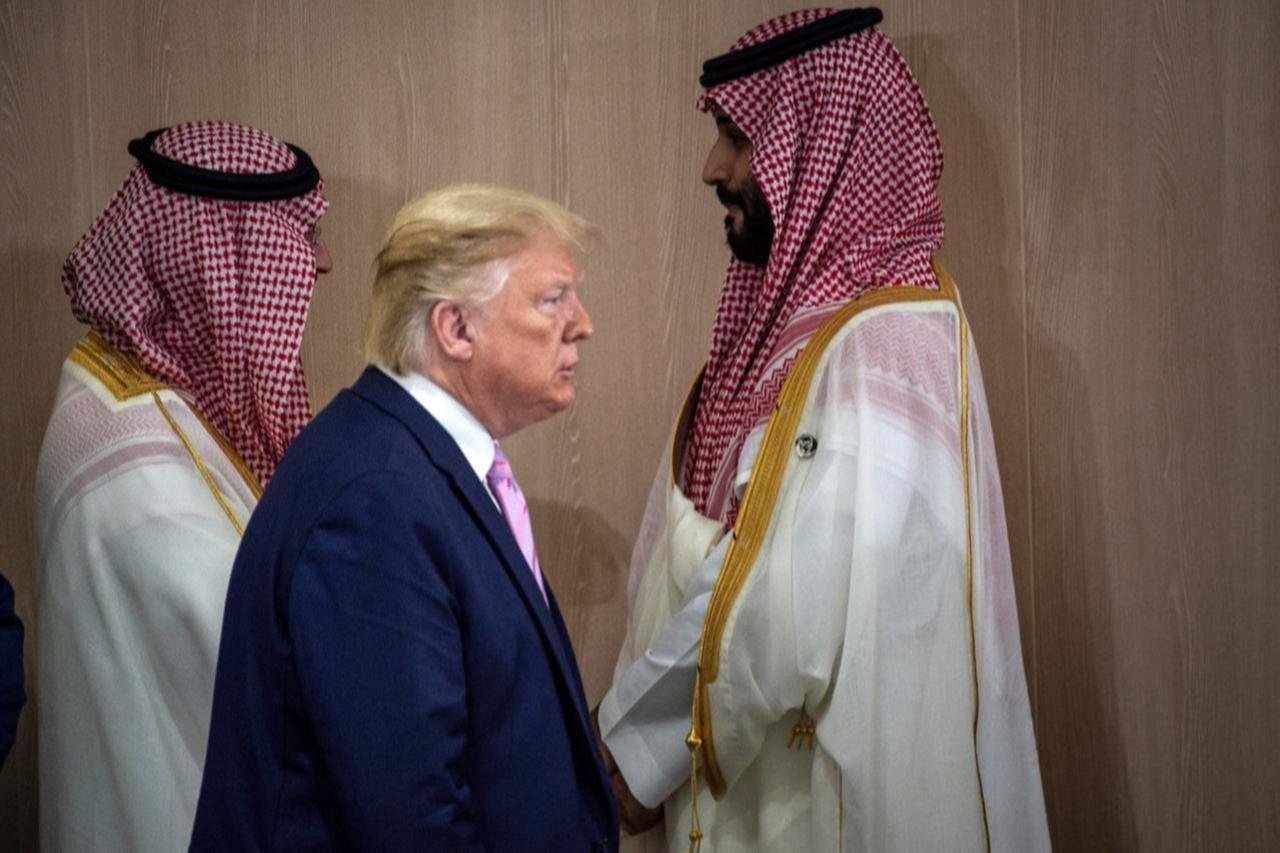
The political dimension is framed around a breakdown in expectations between Washington and Riyadh.
The United States has long relied on a network of informal and formal security arrangements with Gulf monarchies, underpinned by arms transfers, intelligence cooperation, and basing rights.
In return, Gulf states have expected security guarantees against regional adversaries.
The reported refusal to enable this operation suggests a recalibration in how those arrangements are interpreted and enforced.
At the center of this recalibration is Saudi Arabia’s evolving strategic posture.
Over recent years, Riyadh has pursued a more independent foreign policy, balancing ties with Washington against regional de-escalation efforts and hedging against overdependence on any single security partner.
In this context, withholding access, if confirmed, functions less as an isolated decision and more as a signaling mechanism about sovereignty over military infrastructure and operational endorsement.
The episode also highlights the fragility of coordination in complex regional theaters involving Iran, maritime chokepoints, and multi-state security dependencies.
The Strait of Hormuz remains a critical global energy corridor, and any escalation in its security environment places pressure on Gulf economies and shipping networks.
States in the region must therefore weigh not only alliance commitments but direct economic exposure to disruption.
The reported breakdown in access also reflects a broader shift: Gulf states increasingly treat military basing rights as conditional instruments of policy rather than automatic components of alliance alignment.
This introduces new friction into U.S. operational planning, which has historically assumed predictable access in key partner states.
The implication is structural rather than episodic.
If Gulf partners selectively restrict access based on specific operations rather than broad alignment, U.S. military planners must account for a more fragmented and conditional access environment.
That would require greater reliance on dispersed basing, longer-range platforms, or alternative regional partnerships, each carrying higher logistical and strategic costs.
What the episode ultimately underscores is that operational feasibility in the Gulf is no longer determined solely by U.S. capability, but by a negotiated and potentially reversible set of permissions from regional states whose strategic priorities are increasingly distinct from Washington’s immediate military objectives.
The account describes a scenario in which a large-scale U.S. naval and air operation was initiated with limited prior coordination with key regional partners.
Within this sequence, Saudi Arabia is said to have withheld permission for U.S. military aircraft to operate from Prince Sultan Air Base and restricted the use of its airspace.
Kuwait is similarly described as limiting access to its facilities and air corridors.
These constraints, if accurately reported, would have removed critical infrastructure required for air cover and sustained operational support.
The operational design in question is portrayed as relying on layered capabilities, including naval assets, manned aircraft, and unmanned systems, supported by thousands of personnel.
In such a structure, air superiority and aerial refueling access are not auxiliary elements but foundational requirements.
Without regional basing and transit rights, the feasibility of sustained operations across the Gulf and adjacent maritime corridors is sharply reduced.
A key feature of the episode is the reported speed of its reversal.
The operation is described as having begun deployment phases before being halted within roughly two days due to access restrictions.
While maritime movement reportedly continued in limited form, the absence of supporting air cover is described as the decisive operational constraint.
This underscores a structural dependency in U.S. force posture: naval assets alone are often insufficient in contested air and missile environments without regional airfield access.
The political dimension is framed around a breakdown in expectations between Washington and Riyadh.
The United States has long relied on a network of informal and formal security arrangements with Gulf monarchies, underpinned by arms transfers, intelligence cooperation, and basing rights.
In return, Gulf states have expected security guarantees against regional adversaries.
The reported refusal to enable this operation suggests a recalibration in how those arrangements are interpreted and enforced.
At the center of this recalibration is Saudi Arabia’s evolving strategic posture.
Over recent years, Riyadh has pursued a more independent foreign policy, balancing ties with Washington against regional de-escalation efforts and hedging against overdependence on any single security partner.
In this context, withholding access, if confirmed, functions less as an isolated decision and more as a signaling mechanism about sovereignty over military infrastructure and operational endorsement.
The episode also highlights the fragility of coordination in complex regional theaters involving Iran, maritime chokepoints, and multi-state security dependencies.
The Strait of Hormuz remains a critical global energy corridor, and any escalation in its security environment places pressure on Gulf economies and shipping networks.
States in the region must therefore weigh not only alliance commitments but direct economic exposure to disruption.
The reported breakdown in access also reflects a broader shift: Gulf states increasingly treat military basing rights as conditional instruments of policy rather than automatic components of alliance alignment.
This introduces new friction into U.S. operational planning, which has historically assumed predictable access in key partner states.
The implication is structural rather than episodic.
If Gulf partners selectively restrict access based on specific operations rather than broad alignment, U.S. military planners must account for a more fragmented and conditional access environment.
That would require greater reliance on dispersed basing, longer-range platforms, or alternative regional partnerships, each carrying higher logistical and strategic costs.
What the episode ultimately underscores is that operational feasibility in the Gulf is no longer determined solely by U.S. capability, but by a negotiated and potentially reversible set of permissions from regional states whose strategic priorities are increasingly distinct from Washington’s immediate military objectives.