Focus on the BIG picture.
Friday, Dec 12, 2025
Outside the box.

More Than One Hundred Thousand Residents Ordered to Evacuate as Washington Floodwaters Soar
Record flooding from atmospheric rivers forces sweeping evacuation orders and emergency response activation across western Washington
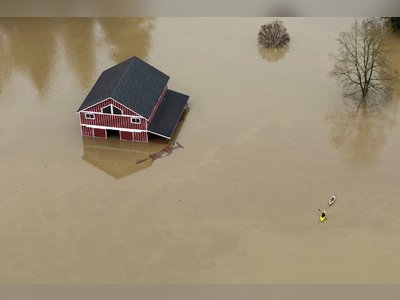
Authorities in Washington state have issued evacuation orders for more than one hundred thousand residents as rivers and creeks across the western region surge to historically high levels after days of torrential rainfall and atmospheric river conditions.
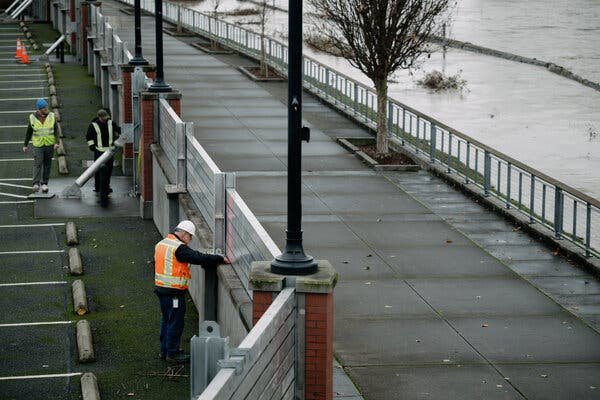
Swollen waterways including the Skagit, Snohomish and Snoqualmie have breached flood stages, inundating homes, farmland and transportation corridors and compelling emergency officials to act swiftly to protect communities.
The governor declared a statewide emergency to mobilise resources and deployed the National Guard to assist with evacuations, search and rescue, and logistical support for affected counties.
Communities from Sumas near the Canadian border to parts of the Puget Sound have been hardest hit, with officials urging residents to leave low-lying areas immediately as floodwaters encroach on residential streets and critical infrastructure.
First responders have conducted water rescues from rooftops, vehicles and submerged neighbourhoods using swift-water teams and helicopters, and continue to prioritise the safety of vulnerable populations.
Road closures on major highways have further complicated movement and supply chains, heightening the urgency of coordinated evacuation operations.
Local emergency management offices have opened shelters to accommodate displaced families, while volunteer groups and relief organisations are working to provide food, medical aid and essential supplies.
Utility companies are racing to restore power and water services disrupted by flooding and preventative shut-offs, though officials warn that outages may persist for several days in hardest-hit communities.
Weather forecasts indicate that additional rainfall is possible, raising the risk of further flooding and landslides as saturated ground struggles to absorb more water.
State and federal emergency leaders have emphasised the importance of following evacuation directives and staying informed through official channels as conditions evolve.
The scale of the flooding has drawn comparisons to some of Washington’s worst historical water‐related disasters, reflecting the increasing impact of extreme weather events on infrastructure and community safety.
Officials say they will continue to monitor river levels and adjust response efforts to protect life and property as recovery operations unfold.
Swollen waterways including the Skagit, Snohomish and Snoqualmie have breached flood stages, inundating homes, farmland and transportation corridors and compelling emergency officials to act swiftly to protect communities.
The governor declared a statewide emergency to mobilise resources and deployed the National Guard to assist with evacuations, search and rescue, and logistical support for affected counties.
Communities from Sumas near the Canadian border to parts of the Puget Sound have been hardest hit, with officials urging residents to leave low-lying areas immediately as floodwaters encroach on residential streets and critical infrastructure.
First responders have conducted water rescues from rooftops, vehicles and submerged neighbourhoods using swift-water teams and helicopters, and continue to prioritise the safety of vulnerable populations.
Road closures on major highways have further complicated movement and supply chains, heightening the urgency of coordinated evacuation operations.
Local emergency management offices have opened shelters to accommodate displaced families, while volunteer groups and relief organisations are working to provide food, medical aid and essential supplies.
Utility companies are racing to restore power and water services disrupted by flooding and preventative shut-offs, though officials warn that outages may persist for several days in hardest-hit communities.
Weather forecasts indicate that additional rainfall is possible, raising the risk of further flooding and landslides as saturated ground struggles to absorb more water.
State and federal emergency leaders have emphasised the importance of following evacuation directives and staying informed through official channels as conditions evolve.
The scale of the flooding has drawn comparisons to some of Washington’s worst historical water‐related disasters, reflecting the increasing impact of extreme weather events on infrastructure and community safety.
Officials say they will continue to monitor river levels and adjust response efforts to protect life and property as recovery operations unfold.