Focus on the BIG picture.
Saturday, Dec 20, 2025
Outside the box.


Relentless Rain Triggers Widespread Flooding and Road Closures Across Oregon and Southwest Washington
Atmospheric rivers drench the Pacific Northwest, prompting evacuations, infrastructure damage and sustained flood watches
Heavy rain driven by a strong atmospheric river has battered northwest Oregon and southwest Washington, prompting flood watches, river overflows and extensive road closures across the Pacific Northwest.
Several inches of rain fell in a short period, causing rivers such as the Cowlitz, Chehalis, Grays and others to rise rapidly and breach banks in low-lying areas, disrupting travel and isolating communities already struggling with saturated ground and elevated water levels.
Flood watches and warnings remain in effect as forecasters warn additional rain and runoff could exacerbate conditions.
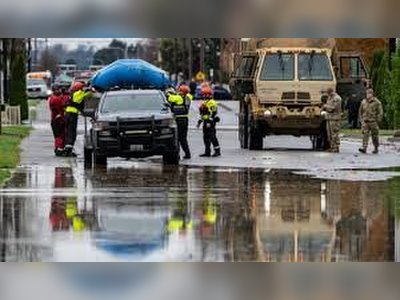
In Washington state, severe flooding has compounded with a breach of the Desimone Levee along the Green River south of Seattle, prompting urgent evacuation orders for parts of Tukwila, Kent and Renton and flash flood warnings for tens of thousands of residents.
Emergency services have opened shelters, deployed sandbags and issued “Go Now” evacuation directives due to the risk of life-threatening inundation of residential and industrial areas.
Governor Bob Ferguson has described the situation as serious, with emergency management officials closely monitoring rising waters and unstable conditions.
The storm’s impact extends beyond flooding to critical infrastructure, with major transport routes such as U.S. Route 2 near Stevens Pass and Oregon Route 229 north of Siletz closed because of washed-out sections or landslides triggered by sustained rainfall and runoff.
Portions of highways in both states remain impassable as crews assess damage and work to clear debris while weather systems continue to threaten additional downpours.
Local authorities emphasise that even areas not currently under evacuation orders should exercise caution, as smaller streams and urban drainage systems are at risk of rapid flooding.
Power outages caused by downed trees and wind-driven damage have added to the challenges facing communities in both Oregon and Washington, compounding the need for vigilance and readiness as conditions remain volatile.
Emergency planners have urged residents to avoid non-essential travel, heed flood alerts and follow guidance from public safety officials as the region prepares for further weather impacts.
Several inches of rain fell in a short period, causing rivers such as the Cowlitz, Chehalis, Grays and others to rise rapidly and breach banks in low-lying areas, disrupting travel and isolating communities already struggling with saturated ground and elevated water levels.
Flood watches and warnings remain in effect as forecasters warn additional rain and runoff could exacerbate conditions.
In Washington state, severe flooding has compounded with a breach of the Desimone Levee along the Green River south of Seattle, prompting urgent evacuation orders for parts of Tukwila, Kent and Renton and flash flood warnings for tens of thousands of residents.
Emergency services have opened shelters, deployed sandbags and issued “Go Now” evacuation directives due to the risk of life-threatening inundation of residential and industrial areas.
Governor Bob Ferguson has described the situation as serious, with emergency management officials closely monitoring rising waters and unstable conditions.
The storm’s impact extends beyond flooding to critical infrastructure, with major transport routes such as U.S. Route 2 near Stevens Pass and Oregon Route 229 north of Siletz closed because of washed-out sections or landslides triggered by sustained rainfall and runoff.
Portions of highways in both states remain impassable as crews assess damage and work to clear debris while weather systems continue to threaten additional downpours.
Local authorities emphasise that even areas not currently under evacuation orders should exercise caution, as smaller streams and urban drainage systems are at risk of rapid flooding.
Power outages caused by downed trees and wind-driven damage have added to the challenges facing communities in both Oregon and Washington, compounding the need for vigilance and readiness as conditions remain volatile.
Emergency planners have urged residents to avoid non-essential travel, heed flood alerts and follow guidance from public safety officials as the region prepares for further weather impacts.