Focus on the BIG picture.
Monday, Jan 19, 2026
Outside the box.

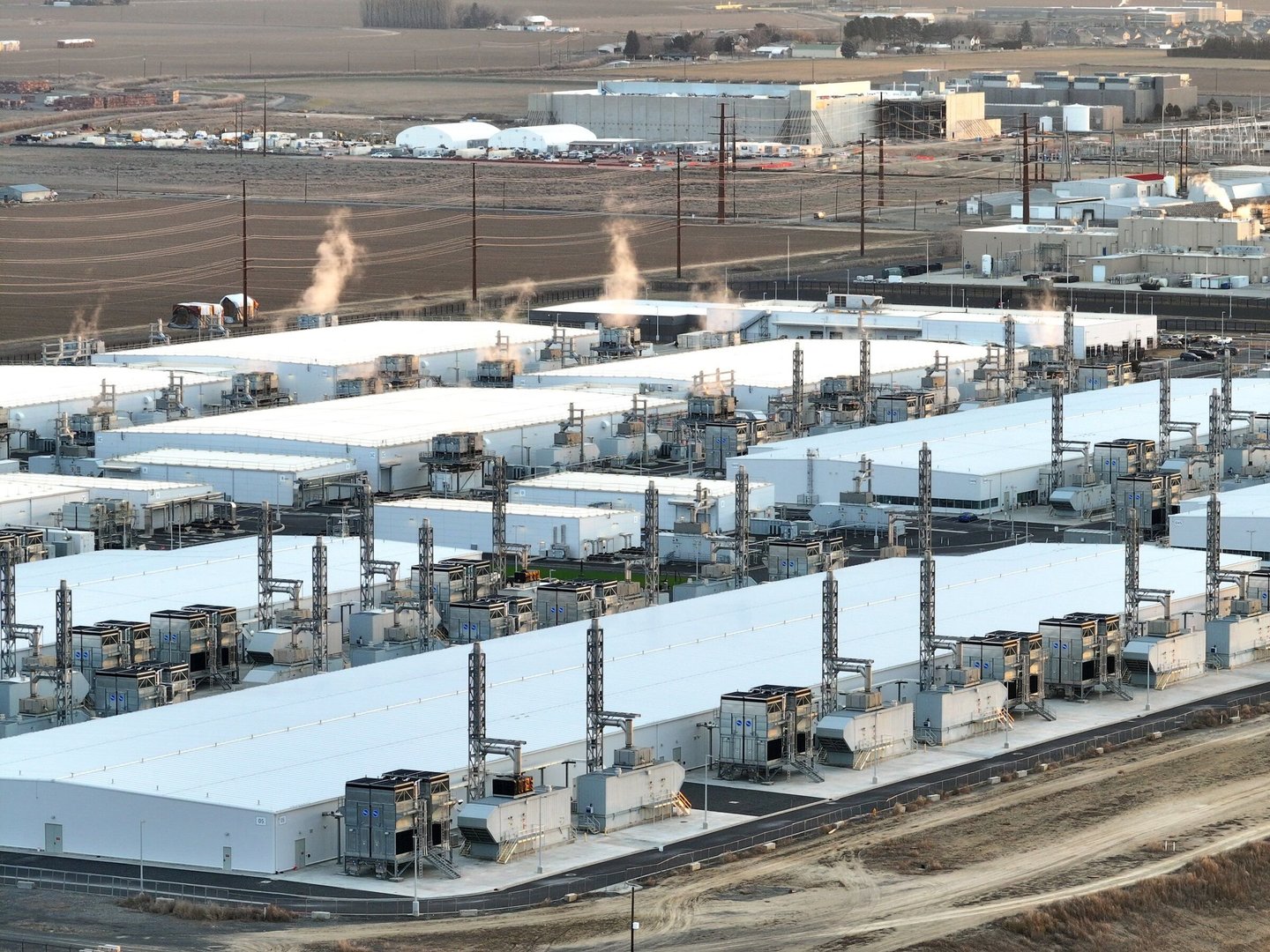
Surging AI Data Centers Strain U.S. Power Grid and Prompt Federal Action
Rapid expansion of artificial intelligence data centers is driving electricity demand and higher costs, prompting the Trump administration and state officials to seek grid reforms
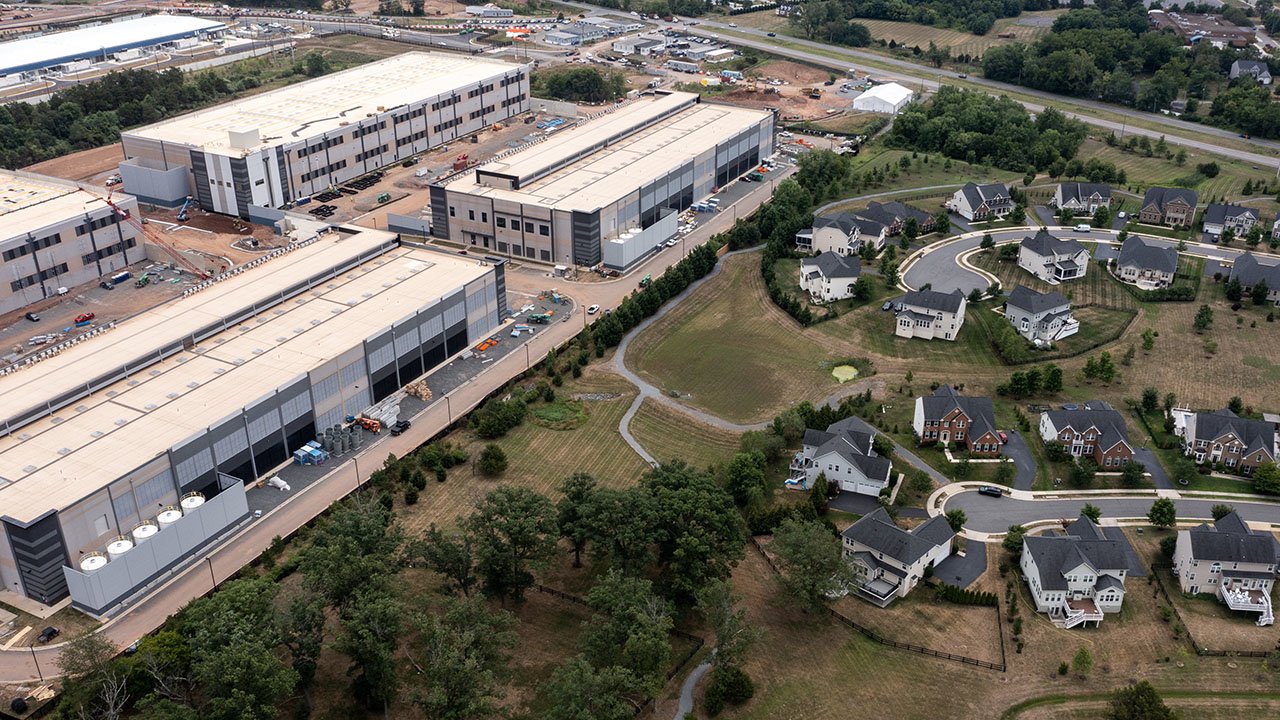
The rapid proliferation of artificial intelligence-focused data centers across the United States is placing unprecedented stress on the nation’s ageing electrical grid, contributing to rising electricity costs and prompting federal and state officials to urge structural reforms to energy markets.
America’s largest grid operator, PJM Interconnection, which serves more than sixty-seven million people across thirteen states from the Midwest to the Mid-Atlantic, has reported record high capacity prices that reflect the gap between surging demand and insufficient power supply.
Prices in the latest PJM capacity auction reached unprecedented levels, underscoring concerns that data centers’ voracious energy use is outpacing generation and infrastructure expansion.
Data centers linked to AI workloads now account for a substantial share of electricity demand in PJM’s auctions, with independent market monitoring indicating that nearly half of the total procurement costs are attributable to these facilities, intensifying pressure on utilities and ratepayers.
The Trump administration, joined by a bipartisan coalition of governors, has called on PJM to adopt an emergency power auction that would incentivise large technology companies to fund new generation capacity through long-term contracts.
Federal officials argue that requiring tech companies to contribute to building additional power plants will help keep household electricity bills more affordable while maintaining America’s edge in the race for AI innovation.
PJM has responded with its own proposals to accelerate connections for data centers to bring their own power sources and to manage demand during peak periods, though it has not fully embraced the administration’s emergency auction model.
Rising electricity rates have already been reflected in consumer bills, with typical household costs increasing in recent years as utilities invest in grid upgrades to handle growing load and replace retiring plants.
Analysts estimate that AI data centers could consume as much as twelve per cent of total U.S. electricity by 2028, up from around four and a half per cent in 2023, highlighting the scale of the challenge for grid planners and policymakers.
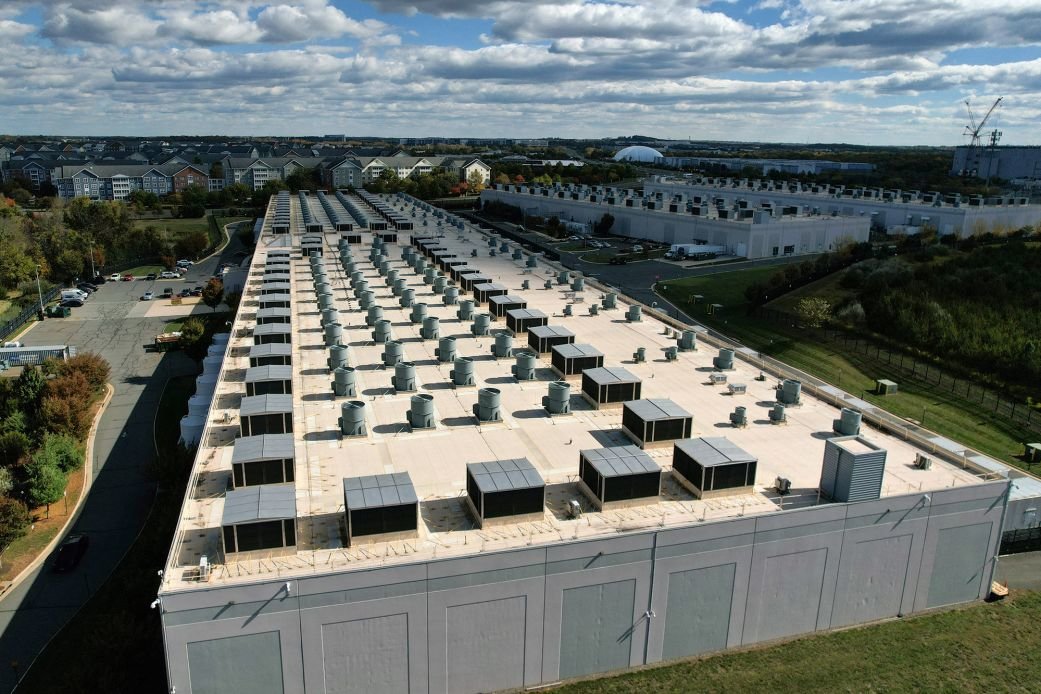
In addition to electricity demand, data centers also require significant water resources for cooling, further complicating infrastructure and sustainability considerations.
Some states are already introducing regulatory measures to ensure that the costs associated with data center strain are borne by the facilities themselves rather than residential ratepayers, including new rate structures and legislative requirements for operators to pay for grid impacts.
The debate over how to balance the benefits of AI infrastructure growth with energy reliability and affordability is becoming a defining issue for U.S. energy policy as power demand trends continue to rise.
America’s largest grid operator, PJM Interconnection, which serves more than sixty-seven million people across thirteen states from the Midwest to the Mid-Atlantic, has reported record high capacity prices that reflect the gap between surging demand and insufficient power supply.
Prices in the latest PJM capacity auction reached unprecedented levels, underscoring concerns that data centers’ voracious energy use is outpacing generation and infrastructure expansion.
Data centers linked to AI workloads now account for a substantial share of electricity demand in PJM’s auctions, with independent market monitoring indicating that nearly half of the total procurement costs are attributable to these facilities, intensifying pressure on utilities and ratepayers.
The Trump administration, joined by a bipartisan coalition of governors, has called on PJM to adopt an emergency power auction that would incentivise large technology companies to fund new generation capacity through long-term contracts.
Federal officials argue that requiring tech companies to contribute to building additional power plants will help keep household electricity bills more affordable while maintaining America’s edge in the race for AI innovation.
PJM has responded with its own proposals to accelerate connections for data centers to bring their own power sources and to manage demand during peak periods, though it has not fully embraced the administration’s emergency auction model.
Rising electricity rates have already been reflected in consumer bills, with typical household costs increasing in recent years as utilities invest in grid upgrades to handle growing load and replace retiring plants.
Analysts estimate that AI data centers could consume as much as twelve per cent of total U.S. electricity by 2028, up from around four and a half per cent in 2023, highlighting the scale of the challenge for grid planners and policymakers.
In addition to electricity demand, data centers also require significant water resources for cooling, further complicating infrastructure and sustainability considerations.
Some states are already introducing regulatory measures to ensure that the costs associated with data center strain are borne by the facilities themselves rather than residential ratepayers, including new rate structures and legislative requirements for operators to pay for grid impacts.
The debate over how to balance the benefits of AI infrastructure growth with energy reliability and affordability is becoming a defining issue for U.S. energy policy as power demand trends continue to rise.