Focus on the BIG picture.
Monday, Jan 19, 2026
Outside the box.

Melting Ice Enhances Greenland’s Strategic and Economic Appeal as Arctic Transforms
Rapid warming is exposing resources and new shipping routes that could boost Greenland’s value and intensify geopolitical competition
Greenland’s rapidly melting ice sheet is reshaping calculations about the island’s strategic and economic importance amid a warming Arctic, with implications that stretch from global trade to geopolitical competition.
As Arctic temperatures rise at about four times the global average, retreating sea ice is making previously inaccessible natural resources more reachable and opening longer-season maritime routes, heightening interest from major powers in Greenland’s future.
Experts note that beneath centuries of ice lie deposits of rare earth elements, petroleum and other minerals that could be worth billions as technology demand grows and supply chains seek diversification away from dominant producers.
The loss of ice is not just symbolic but practical: diminishing sea ice broadens the window for navigation along the northern sea route and northwest passage, reducing transit times for shipping between key markets and potentially reshaping global commerce.
The evolving environmental landscape has also amplified strategic considerations.
Greenland’s location between North America and Europe confers military significance, attracting heightened diplomatic and security focus from the United States and other actors seeking a presence in the high north.
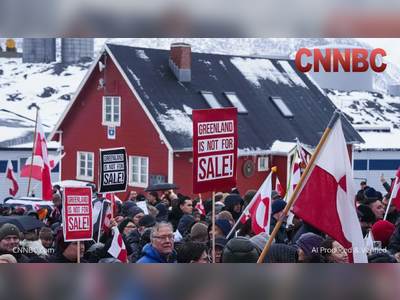
The island’s internal politics emphasise autonomy and democratic governance, even as external interest in its resources and position intensifies.
Beyond economic and strategic opportunity, scientists warn that the pace of ice melt — contributing substantially to rising sea levels worldwide — poses profound environmental and infrastructural risks to coastal populations globally.
The combination of opportunity and hazard means Greenland is entering a period where climate-driven change will increasingly dictate its value and role in international affairs, with stakeholders balancing development prospects against the urgent imperative to manage environmental threats.
As Arctic temperatures rise at about four times the global average, retreating sea ice is making previously inaccessible natural resources more reachable and opening longer-season maritime routes, heightening interest from major powers in Greenland’s future.
Experts note that beneath centuries of ice lie deposits of rare earth elements, petroleum and other minerals that could be worth billions as technology demand grows and supply chains seek diversification away from dominant producers.
The loss of ice is not just symbolic but practical: diminishing sea ice broadens the window for navigation along the northern sea route and northwest passage, reducing transit times for shipping between key markets and potentially reshaping global commerce.
The evolving environmental landscape has also amplified strategic considerations.
Greenland’s location between North America and Europe confers military significance, attracting heightened diplomatic and security focus from the United States and other actors seeking a presence in the high north.
The island’s internal politics emphasise autonomy and democratic governance, even as external interest in its resources and position intensifies.
Beyond economic and strategic opportunity, scientists warn that the pace of ice melt — contributing substantially to rising sea levels worldwide — poses profound environmental and infrastructural risks to coastal populations globally.
The combination of opportunity and hazard means Greenland is entering a period where climate-driven change will increasingly dictate its value and role in international affairs, with stakeholders balancing development prospects against the urgent imperative to manage environmental threats.