Focus on the BIG picture.
Monday, Jan 19, 2026
Outside the box.

European Nations Consider Retaliation as Trump’s Greenland Tariff Threat Sparks Transatlantic Row
EU capitals and NATO allies weigh counter-measures, including trade tariffs and anti-coercion tools, after President Trump announced duties on European imports linked to the Greenland dispute
European governments and the European Union are evaluating a range of possible responses to U.S. President Donald Trump’s announcement of punitive tariffs on eight NATO allies over their opposition to U.S. efforts regarding Greenland.
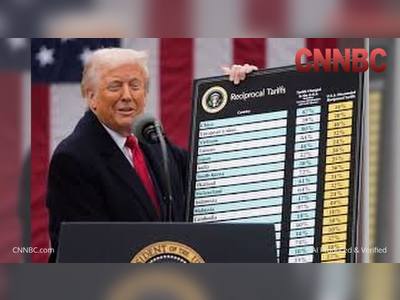
Mr Trump said the United States would impose an initial ten per cent duty on imports from Denmark, Norway, Sweden, France, Germany, the United Kingdom, the Netherlands and Finland beginning on February 1, with a planned increase to twenty-five per cent by June unless a resolution is reached.
The threatened tariffs were framed by the White House as leverage over strategic and security disagreements linked to Greenland’s status, but European leaders have rejected the notion that they should accede to such pressure and instead condemned the levies as undermining the foundations of transatlantic relations.
In Brussels and capitals across the continent, officials are deliberating a suite of counter-measures intended to defend European economic interests and signal unity.
French President Emmanuel Macron has publicly urged the European Union to activate its anti-coercion instrument — a trade policy tool designed to protect the bloc against economic pressure — which could clear the way for broad retaliatory duties on U.S. goods if Mr Trump’s tariffs materialise.
Other EU diplomats have circulated proposals to resurrect previously suspended levies covering up to €93 billion of U.S. exports to the bloc and to pursue punitive measures against specific sectors if negotiations falter.
European leaders have underscored their solidarity with Denmark’s sovereignty over Greenland and reaffirmed that NATO collective defence remains paramount.
A joint statement by the affected governments stressed that threats to economic relations could set a dangerous precedent, and senior officials have held emergency talks to coordinate diplomatic strategy.
While some member states and diplomats express caution about triggering a tit-for-tat trade conflict with the United States, the debate reflects deep unease within Europe about the use of economic coercion between close allies and the broader implications for alliance cohesion going forward.
Mr Trump said the United States would impose an initial ten per cent duty on imports from Denmark, Norway, Sweden, France, Germany, the United Kingdom, the Netherlands and Finland beginning on February 1, with a planned increase to twenty-five per cent by June unless a resolution is reached.
The threatened tariffs were framed by the White House as leverage over strategic and security disagreements linked to Greenland’s status, but European leaders have rejected the notion that they should accede to such pressure and instead condemned the levies as undermining the foundations of transatlantic relations.
In Brussels and capitals across the continent, officials are deliberating a suite of counter-measures intended to defend European economic interests and signal unity.
French President Emmanuel Macron has publicly urged the European Union to activate its anti-coercion instrument — a trade policy tool designed to protect the bloc against economic pressure — which could clear the way for broad retaliatory duties on U.S. goods if Mr Trump’s tariffs materialise.
Other EU diplomats have circulated proposals to resurrect previously suspended levies covering up to €93 billion of U.S. exports to the bloc and to pursue punitive measures against specific sectors if negotiations falter.
European leaders have underscored their solidarity with Denmark’s sovereignty over Greenland and reaffirmed that NATO collective defence remains paramount.
A joint statement by the affected governments stressed that threats to economic relations could set a dangerous precedent, and senior officials have held emergency talks to coordinate diplomatic strategy.
While some member states and diplomats express caution about triggering a tit-for-tat trade conflict with the United States, the debate reflects deep unease within Europe about the use of economic coercion between close allies and the broader implications for alliance cohesion going forward.