Focus on the BIG picture.
Monday, Dec 29, 2025
Outside the box.


Trump Administration Pushes Proposal for $2,000 Tariff Dividend Checks, But Delivery Is Far from Certain
President Trump continues to advocate direct rebate payments funded by tariff revenue, yet legal, fiscal and congressional obstacles remain ahead of any rollout
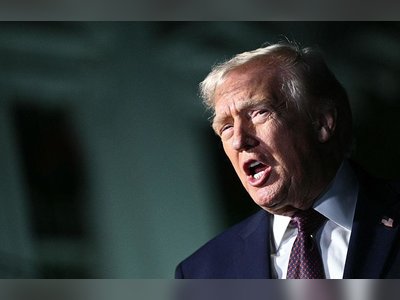
President Donald Trump has again put forward a plan for the U.S. government to issue $2,000 “tariff dividend” checks to many Americans, pushing the idea as part of his broader economic agenda.
Trump suggested that tariff revenue collected under his trade policy could generate funds for direct payments to households meeting specified income criteria, a move he says would deliver tangible benefits from his tariff strategy and help stimulate the economy.
Trump has claimed that significant tariff receipts would allow a dividend distribution, and he has indicated his desire to begin payments in 2026, targeting low- and middle-income earners.
Despite the president’s public remarks, administration officials have acknowledged that the proposal remains aspirational and not yet authorised.
A senior White House official has confirmed that Trump’s team is exploring legislative pathways to realise $2,000 rebate checks, but emphasised that any actual payments would require approval by Congress.
The legislative process could involve transactional vehicles such as reconciliation, building on the precedent set by the “big, beautiful bill” enacted earlier in the year, but no concrete framework or enactment timeline has been finalised.
The proposal has prompted resistance from some members of Congress, including Republicans who argue that tariff revenues should be allocated toward reducing the federal debt rather than direct cash transfers.
Lawmakers such as House Budget Committee Chairman Jodey Arrington have articulated concerns over the nation’s substantial deficits and fiscal sustainability, raising doubts about congressional support for the tariff dividend plan.
Other senators have voiced similar reservations about the cost and the prioritisation of rebate payments relative to long-term budgetary pressures.
Treasury officials have also offered differing interpretations of how the $2,000 figure might be achieved, suggesting that some elements of the benefit could come through tax provisions already enacted rather than direct cheque disbursements.
There remains ambiguity over who would qualify for such payments and how much tariff revenue would actually be available, given current collections and ongoing legal challenges to parts of the administration’s tariff programme pending before the Supreme Court.
As it stands, the proposal reflects an administration priority but has yet to move beyond conceptual advocacy to a fully articulated, legally viable policy with bipartisan support.
Trump suggested that tariff revenue collected under his trade policy could generate funds for direct payments to households meeting specified income criteria, a move he says would deliver tangible benefits from his tariff strategy and help stimulate the economy.
Trump has claimed that significant tariff receipts would allow a dividend distribution, and he has indicated his desire to begin payments in 2026, targeting low- and middle-income earners.
Despite the president’s public remarks, administration officials have acknowledged that the proposal remains aspirational and not yet authorised.
A senior White House official has confirmed that Trump’s team is exploring legislative pathways to realise $2,000 rebate checks, but emphasised that any actual payments would require approval by Congress.
The legislative process could involve transactional vehicles such as reconciliation, building on the precedent set by the “big, beautiful bill” enacted earlier in the year, but no concrete framework or enactment timeline has been finalised.
The proposal has prompted resistance from some members of Congress, including Republicans who argue that tariff revenues should be allocated toward reducing the federal debt rather than direct cash transfers.
Lawmakers such as House Budget Committee Chairman Jodey Arrington have articulated concerns over the nation’s substantial deficits and fiscal sustainability, raising doubts about congressional support for the tariff dividend plan.
Other senators have voiced similar reservations about the cost and the prioritisation of rebate payments relative to long-term budgetary pressures.
Treasury officials have also offered differing interpretations of how the $2,000 figure might be achieved, suggesting that some elements of the benefit could come through tax provisions already enacted rather than direct cheque disbursements.
There remains ambiguity over who would qualify for such payments and how much tariff revenue would actually be available, given current collections and ongoing legal challenges to parts of the administration’s tariff programme pending before the Supreme Court.
As it stands, the proposal reflects an administration priority but has yet to move beyond conceptual advocacy to a fully articulated, legally viable policy with bipartisan support.