Focus on the BIG picture.
Tuesday, Dec 16, 2025
Outside the box.

Trump-Led White House Ballroom Project Faces Legal Scrutiny as Timeline Extends Toward Summer 2028
Administration projects new ceremonial space will be finished well before Trump’s term ends in 2029 amid preservationist challenges
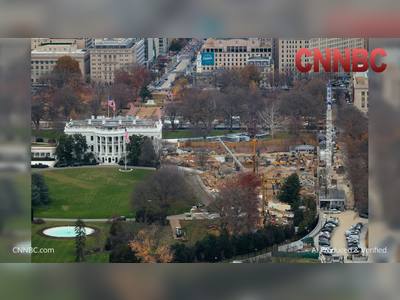
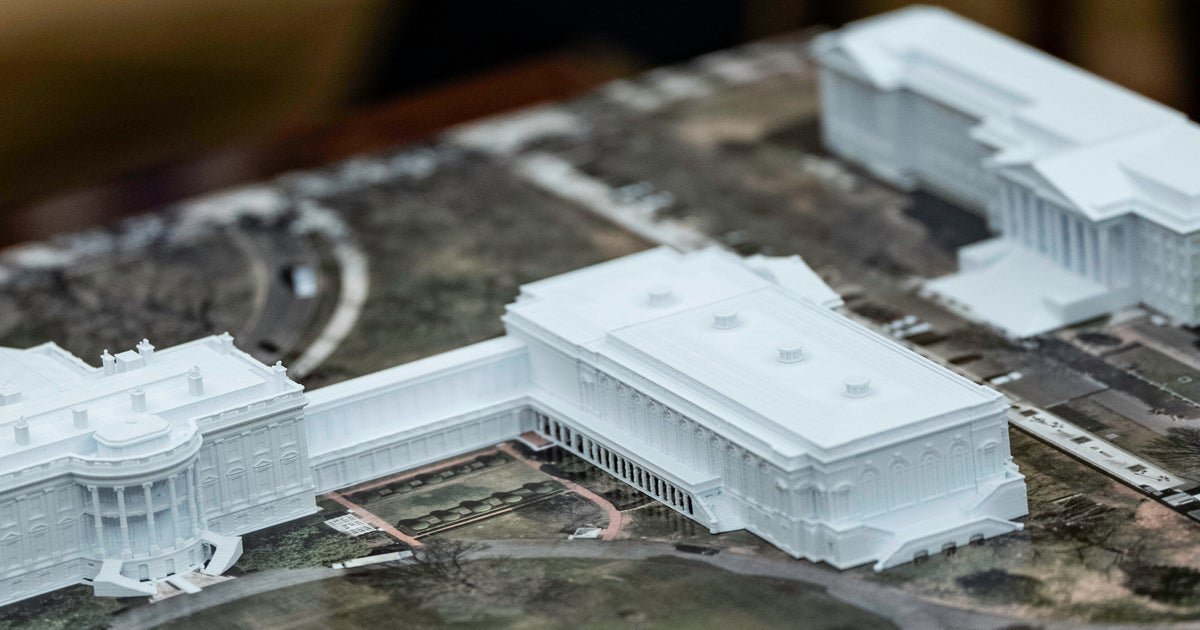
The Trump administration has indicated that construction of the planned White House ballroom, a major expansion of the presidential complex on the former site of the East Wing, is expected to be completed by the summer of two thousand twenty-eight, according to statements by officials and documents from federal agencies.
Work on the ninety-thousand-square-foot venue, funded through a combination of private donations and presidential support, began with the demolition of the East Wing in October and site preparation later in two thousand twenty-five, with foundation work slated to start in January two thousand twenty-six and above-ground construction anticipated to begin in spring of that year.
Experts involved in planning and oversight have described the timetable as ambitious but achievable if uninterrupted by legal or regulatory delays.
President Donald Trump has championed the ballroom as a transformative addition to the White House’s capacity to host state functions, arguing that a formal indoor space of this size has long been needed to accommodate large diplomatic and ceremonial events that currently rely on temporary tents or ancillary venues.
Supporters within the administration emphasise that the design will respect the architectural heritage of the residence while providing a modern, secure environment for official gatherings.
Funding for the project has been reported as privately sourced, with the overall cost rising into the hundreds of millions of dollars.
Legal challenges have emerged from the National Trust for Historic Preservation and allied preservation groups, who argue that demolition and construction bypassed mandatory federal reviews under historic preservation and environmental statutes and did not secure necessary approvals from bodies such as the National Capital Planning Commission and the Commission of Fine Arts before work commenced.
Plaintiffs in federal court have sought orders to pause construction pending these reviews, contending that the expedited timeline undermines legal safeguards designed to protect historic federal properties.
The Trump administration has responded by asserting broad presidential authority over renovations to the White House and arguing that opponents lack standing to halt progress.
Administration officials have also underscored that the ballroom’s construction will proceed alongside required planning submissions to federal oversight agencies, with White House aides indicating that formal plans will be filed before the end of December two thousand twenty-five.
They maintain that comprehensive design and planning reviews will occur at a measured pace and do not necessitate halting groundwork already underway.
While courts consider the legal merits of preservationist claims and broader debate continues over the scope and process of the ballroom’s development, the National Park Service’s timeline points to summer two thousand twenty-eight as the projected point at which the structure will be ready to host events.
This schedule would allow completion well in advance of the end of President Trump’s second term in early two thousand twenty-nine, even as the project remains one of the most substantial modifications to the White House complex in decades.
Work on the ninety-thousand-square-foot venue, funded through a combination of private donations and presidential support, began with the demolition of the East Wing in October and site preparation later in two thousand twenty-five, with foundation work slated to start in January two thousand twenty-six and above-ground construction anticipated to begin in spring of that year.
Experts involved in planning and oversight have described the timetable as ambitious but achievable if uninterrupted by legal or regulatory delays.
President Donald Trump has championed the ballroom as a transformative addition to the White House’s capacity to host state functions, arguing that a formal indoor space of this size has long been needed to accommodate large diplomatic and ceremonial events that currently rely on temporary tents or ancillary venues.
Supporters within the administration emphasise that the design will respect the architectural heritage of the residence while providing a modern, secure environment for official gatherings.
Funding for the project has been reported as privately sourced, with the overall cost rising into the hundreds of millions of dollars.
Legal challenges have emerged from the National Trust for Historic Preservation and allied preservation groups, who argue that demolition and construction bypassed mandatory federal reviews under historic preservation and environmental statutes and did not secure necessary approvals from bodies such as the National Capital Planning Commission and the Commission of Fine Arts before work commenced.
Plaintiffs in federal court have sought orders to pause construction pending these reviews, contending that the expedited timeline undermines legal safeguards designed to protect historic federal properties.
The Trump administration has responded by asserting broad presidential authority over renovations to the White House and arguing that opponents lack standing to halt progress.
Administration officials have also underscored that the ballroom’s construction will proceed alongside required planning submissions to federal oversight agencies, with White House aides indicating that formal plans will be filed before the end of December two thousand twenty-five.
They maintain that comprehensive design and planning reviews will occur at a measured pace and do not necessitate halting groundwork already underway.
While courts consider the legal merits of preservationist claims and broader debate continues over the scope and process of the ballroom’s development, the National Park Service’s timeline points to summer two thousand twenty-eight as the projected point at which the structure will be ready to host events.
This schedule would allow completion well in advance of the end of President Trump’s second term in early two thousand twenty-nine, even as the project remains one of the most substantial modifications to the White House complex in decades.