Focus on the BIG picture.
Tuesday, Dec 16, 2025
Outside the box.

White House AI Czar Defends Trump’s Push for Federal AI Regulation Over State Rules
David Sacks argues a unified national approach to artificial intelligence will reduce compliance burdens and strengthen U.S. competitiveness amid expanding state laws
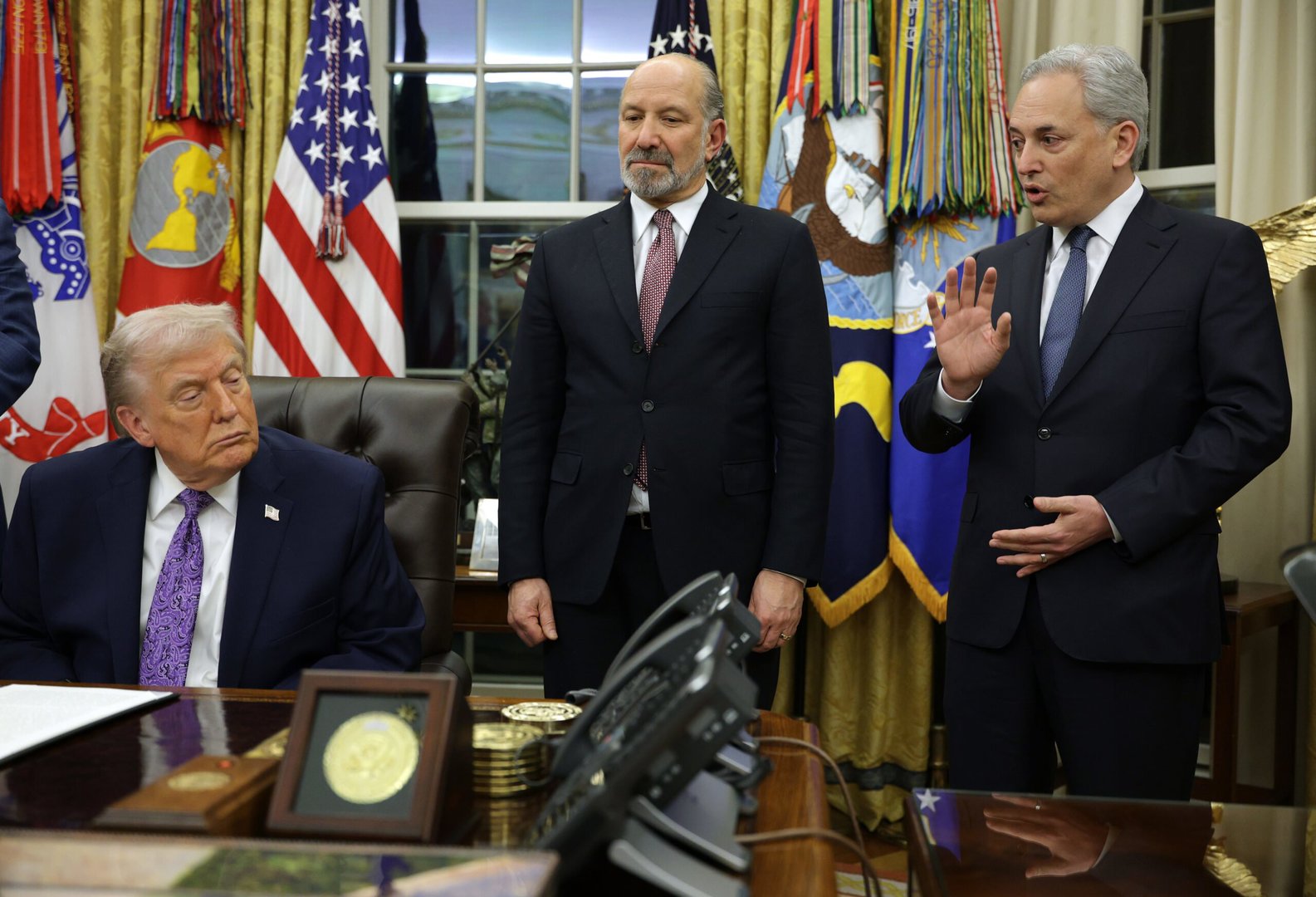
White House AI and cryptocurrency czar David Sacks has publicly defended President Donald Trump’s initiative to limit the scope of state-level regulation of artificial intelligence, characterising the move as necessary to streamline industry compliance and maintain U.S. leadership in the rapidly evolving technology sector.
The defence came in the wake of an executive order signed by Mr. Trump in December that directs federal agencies to challenge state AI laws deemed inconsistent with federal policy and to work toward a nationwide regulatory framework.
In interviews and public statements, Mr. Sacks emphasised that a proliferation of divergent state rules could prove burdensome for companies, especially smaller firms and startups, that must navigate fifty different regulatory regimes, potentially slowing innovation.
He said the administration’s strategy focuses on developing a common federal standard in coordination with Congress to avoid a patchwork of regulations that might hinder domestic competitiveness against global rivals.
This approach reflects broader White House efforts to ensure that artificial intelligence policy supports investment, growth and a conducive national environment for technological development.
The executive order in question instructs the U.S. attorney general to form an AI Litigation Task Force to identify and challenge state laws, while the Department of Commerce is directed to evaluate existing state regulations and identify those that could be considered onerous.
Proponents of the federal approach argue that national consistency is critical for industry certainty, particularly as the United States competes with nations such as China, which operate under a centralized regulatory system for AI. :contentReference[oaicite:1]{index=1}
Opponents of the policy, including some state officials and lawmakers, have expressed concern that overreach by the federal government could undermine state authority and limit protections that local jurisdictions have enacted, including measures addressing algorithmic fairness, transparency and consumer safety.
Some state leaders have signalled their intent to defend existing and forthcoming state laws in court.
Nevertheless, Mr. Sacks and other White House officials maintain that the federal initiative seeks a balanced framework that preserves beneficial safeguards while preventing regulatory fragmentation that could disadvantage U.S. innovators.
The debate over federal versus state authority in AI governance comes as artificial intelligence increasingly intersects with economic policy, national security and public safety considerations, prompting calls from industry leaders for clear, consistent rules.
Administration officials argue that a coherent national standard will attract investment, reduce uncertainty for developers and strengthen America’s position in the global AI race, even as legal and political challenges to the executive order are expected to unfold.
The defence came in the wake of an executive order signed by Mr. Trump in December that directs federal agencies to challenge state AI laws deemed inconsistent with federal policy and to work toward a nationwide regulatory framework.
In interviews and public statements, Mr. Sacks emphasised that a proliferation of divergent state rules could prove burdensome for companies, especially smaller firms and startups, that must navigate fifty different regulatory regimes, potentially slowing innovation.
He said the administration’s strategy focuses on developing a common federal standard in coordination with Congress to avoid a patchwork of regulations that might hinder domestic competitiveness against global rivals.
This approach reflects broader White House efforts to ensure that artificial intelligence policy supports investment, growth and a conducive national environment for technological development.
The executive order in question instructs the U.S. attorney general to form an AI Litigation Task Force to identify and challenge state laws, while the Department of Commerce is directed to evaluate existing state regulations and identify those that could be considered onerous.
Proponents of the federal approach argue that national consistency is critical for industry certainty, particularly as the United States competes with nations such as China, which operate under a centralized regulatory system for AI. :contentReference[oaicite:1]{index=1}
Opponents of the policy, including some state officials and lawmakers, have expressed concern that overreach by the federal government could undermine state authority and limit protections that local jurisdictions have enacted, including measures addressing algorithmic fairness, transparency and consumer safety.
Some state leaders have signalled their intent to defend existing and forthcoming state laws in court.
Nevertheless, Mr. Sacks and other White House officials maintain that the federal initiative seeks a balanced framework that preserves beneficial safeguards while preventing regulatory fragmentation that could disadvantage U.S. innovators.
The debate over federal versus state authority in AI governance comes as artificial intelligence increasingly intersects with economic policy, national security and public safety considerations, prompting calls from industry leaders for clear, consistent rules.
Administration officials argue that a coherent national standard will attract investment, reduce uncertainty for developers and strengthen America’s position in the global AI race, even as legal and political challenges to the executive order are expected to unfold.