Focus on the BIG picture.
Thursday, Dec 25, 2025
Outside the box.

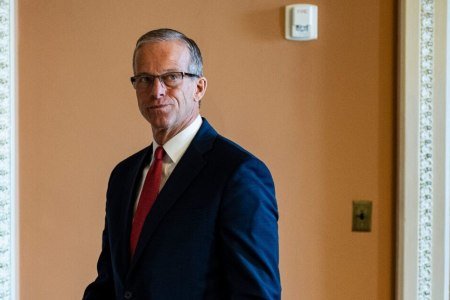
U.S. Congress Enters 2026 Sidelined as President Trump’s Influence Shapes Washington’s Agenda
Capitol Hill’s legislative output shrinks while executive actions and political battles ahead of midterm elections underscore Trump’s dominant role
As the 119th U.S. Congress limps into 2026, lawmakers in both chambers face mounting pressure and limited legislative accomplishments amid the ascendancy of President Donald Trump’s executive leadership.
Over the course of 2025, Trump signed an unprecedented volume of executive orders — more in a single year than during his entire first term — as the Republican-controlled Congress passed relatively few laws, underscoring an imbalance between the executive and legislative branches.
This dynamic has left Capitol Hill with modest legislative achievements beyond major tax and spending reform and a sprawling “One Big Beautiful Bill,” while Trump’s use of executive tools has accelerated action on priorities ranging from tariffs to workforce reductions.
The president’s influence has also been symbolically reinforced by high-profile developments, including the renaming of Washington’s Kennedy Center following a board vote that reflected support for Trump’s investments and leadership in revamping the institution.
Legislative stagnation in the House and Senate has been marked by internal divisions, episodic shutdowns and constrained output, even as both chambers remained under Republican control since January 2025. Record low numbers of bills enacted and procedural gridlock have contributed to frustration among lawmakers, with some Republicans expressing concern that Congress is ceding authority to the executive branch.
At the same time, Trump’s agenda continues to shape Washington’s priorities, from defense and budget negotiations to the strategic framing of issues as the nation prepares for the 2026 midterm elections.
All 435 House seats and 35 Senate seats will be contested in November next year, setting the stage for a possible shift in control as voters weigh the performance of both the legislative branch and the Trump administration.
The intersection of executive action, constrained legislative productivity and mounting electoral stakes highlights a Washington entering 2026 with a dominant presidency and a Congress striving to reclaim relevance amid intense political currents.
Over the course of 2025, Trump signed an unprecedented volume of executive orders — more in a single year than during his entire first term — as the Republican-controlled Congress passed relatively few laws, underscoring an imbalance between the executive and legislative branches.
This dynamic has left Capitol Hill with modest legislative achievements beyond major tax and spending reform and a sprawling “One Big Beautiful Bill,” while Trump’s use of executive tools has accelerated action on priorities ranging from tariffs to workforce reductions.
The president’s influence has also been symbolically reinforced by high-profile developments, including the renaming of Washington’s Kennedy Center following a board vote that reflected support for Trump’s investments and leadership in revamping the institution.
Legislative stagnation in the House and Senate has been marked by internal divisions, episodic shutdowns and constrained output, even as both chambers remained under Republican control since January 2025. Record low numbers of bills enacted and procedural gridlock have contributed to frustration among lawmakers, with some Republicans expressing concern that Congress is ceding authority to the executive branch.
At the same time, Trump’s agenda continues to shape Washington’s priorities, from defense and budget negotiations to the strategic framing of issues as the nation prepares for the 2026 midterm elections.
All 435 House seats and 35 Senate seats will be contested in November next year, setting the stage for a possible shift in control as voters weigh the performance of both the legislative branch and the Trump administration.
The intersection of executive action, constrained legislative productivity and mounting electoral stakes highlights a Washington entering 2026 with a dominant presidency and a Congress striving to reclaim relevance amid intense political currents.