Focus on the BIG picture.
Thursday, Dec 25, 2025
Outside the box.

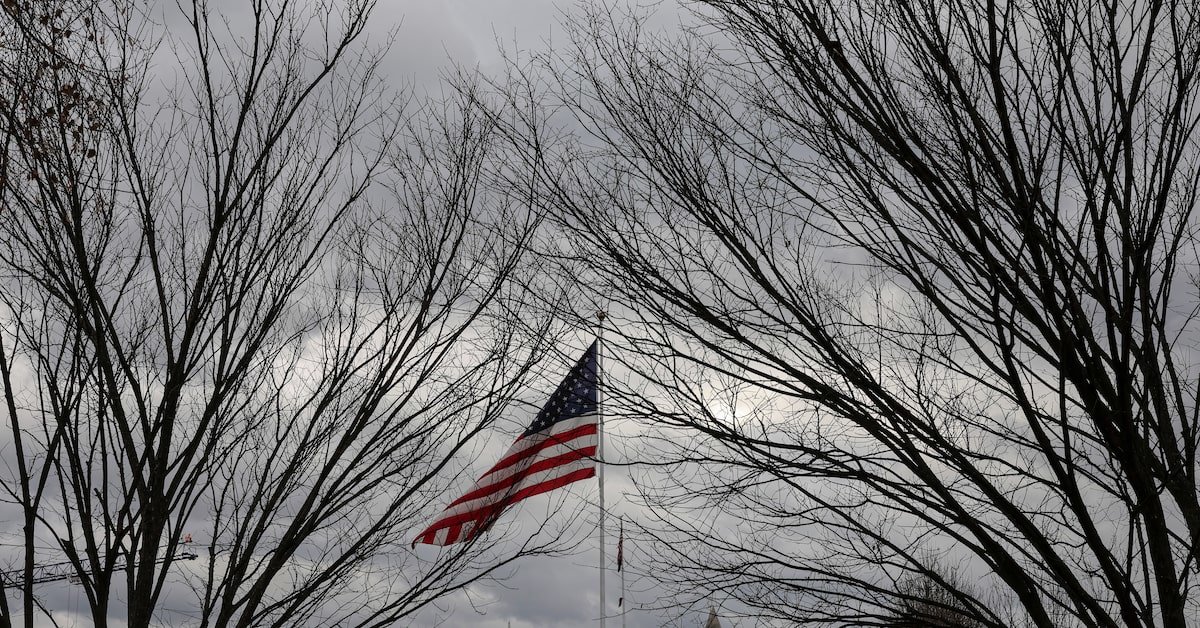
White House Orders U.S. Forces to Prioritise ‘Quarantine’ of Venezuelan Oil to Intensify Sanctions Pressure
Washington directs military to enforce oil sanctions linkage as part of an expanded campaign to curb Caracas’s oil exports and prompt political concessions
The White House has directed U.S. military forces to focus almost exclusively on enforcing a maritime “quarantine” of Venezuelan oil as part of a broader strategy to deepen economic pressure on President Nicolás Maduro’s government, according to senior U.S. officials.
The directive, issued this week, tasks elements of the U.S. armed forces and Coast Guard with intercepting and detaining tankers linked to Venezuela’s sanctioned oil trade over the next two months, signalling a shift toward sanction enforcement rather than conventional combat operations.
The priority reflects the administration’s view that tightening disruptions to Venezuela’s vital oil revenues — the cornerstone of the nation’s economy — could compel Caracas to make significant political and economic concessions.
Senior U.S. officials told Reuters that while military options remain available, the emphasis for now will be on sanctions compliance and the interdiction of vessels carrying Venezuelan crude or operating as part of the so-called “dark fleet” used to evade existing U.S. measures.
The policy follows a series of actions by American forces, including the seizure earlier this month of a sanctioned tanker near Venezuela and further interceptions by the U.S. Coast Guard in international waters.
The Coast Guard is also pursuing a third vessel, the Bella-1, which has refused boarding and remains at sea pending the arrival of specialised boarding teams, underlining the logistical challenges of the operation.
President Donald Trump has framed the oil interdiction campaign as necessary to deprive the Maduro regime of revenue streams that the United States asserts are tied to illicit activities, including narcotics trafficking.
U.S. military assets in the Caribbean now include an aircraft carrier, warships and advanced aircraft, a footprint described by analysts as one of the largest deployments in the region in decades.
The administration’s use of the term “quarantine” echoes historical language intended to avoid the legal implications of a formal blockade, which under international law could be construed as an act of war.
Caracas has condemned the operations as illegal aggression and has responded legislatively by advancing measures to criminalise what it deems piracy and blockades, with penalties including lengthy prison terms.
The intensified focus on Venezuelan oil exports comes against a backdrop of strained bilateral relations, marked by U.S. accusations that Maduro and his allies exploit the country’s oil industry to sustain power and finance networks hostile to U.S. interests.
The United States has also imposed additional sanctions on Venezuelan officials and associated vessels in recent weeks.
International reactions have been mixed, with some regional governments calling for de-escalation and United Nations experts sharply criticising enforcement actions as potentially violating international norms.
The outcome of the quarantine strategy, along with ongoing diplomatic and legal debates, will shape the trajectory of U.S.–Venezuela tensions into early 2026.
The directive, issued this week, tasks elements of the U.S. armed forces and Coast Guard with intercepting and detaining tankers linked to Venezuela’s sanctioned oil trade over the next two months, signalling a shift toward sanction enforcement rather than conventional combat operations.
The priority reflects the administration’s view that tightening disruptions to Venezuela’s vital oil revenues — the cornerstone of the nation’s economy — could compel Caracas to make significant political and economic concessions.
Senior U.S. officials told Reuters that while military options remain available, the emphasis for now will be on sanctions compliance and the interdiction of vessels carrying Venezuelan crude or operating as part of the so-called “dark fleet” used to evade existing U.S. measures.
The policy follows a series of actions by American forces, including the seizure earlier this month of a sanctioned tanker near Venezuela and further interceptions by the U.S. Coast Guard in international waters.
The Coast Guard is also pursuing a third vessel, the Bella-1, which has refused boarding and remains at sea pending the arrival of specialised boarding teams, underlining the logistical challenges of the operation.
President Donald Trump has framed the oil interdiction campaign as necessary to deprive the Maduro regime of revenue streams that the United States asserts are tied to illicit activities, including narcotics trafficking.
U.S. military assets in the Caribbean now include an aircraft carrier, warships and advanced aircraft, a footprint described by analysts as one of the largest deployments in the region in decades.
The administration’s use of the term “quarantine” echoes historical language intended to avoid the legal implications of a formal blockade, which under international law could be construed as an act of war.
Caracas has condemned the operations as illegal aggression and has responded legislatively by advancing measures to criminalise what it deems piracy and blockades, with penalties including lengthy prison terms.
The intensified focus on Venezuelan oil exports comes against a backdrop of strained bilateral relations, marked by U.S. accusations that Maduro and his allies exploit the country’s oil industry to sustain power and finance networks hostile to U.S. interests.
The United States has also imposed additional sanctions on Venezuelan officials and associated vessels in recent weeks.
International reactions have been mixed, with some regional governments calling for de-escalation and United Nations experts sharply criticising enforcement actions as potentially violating international norms.
The outcome of the quarantine strategy, along with ongoing diplomatic and legal debates, will shape the trajectory of U.S.–Venezuela tensions into early 2026.