Focus on the BIG picture.
Thursday, Jan 29, 2026
Outside the box.

U.S. Will Review Venezuela’s Monthly Budgets Under Trump Administration Oversight
Secretary of State Marco Rubio says Venezuela’s interim government has agreed to submit monthly budget plans to Washington as part of a controlled transition and financial oversight framework
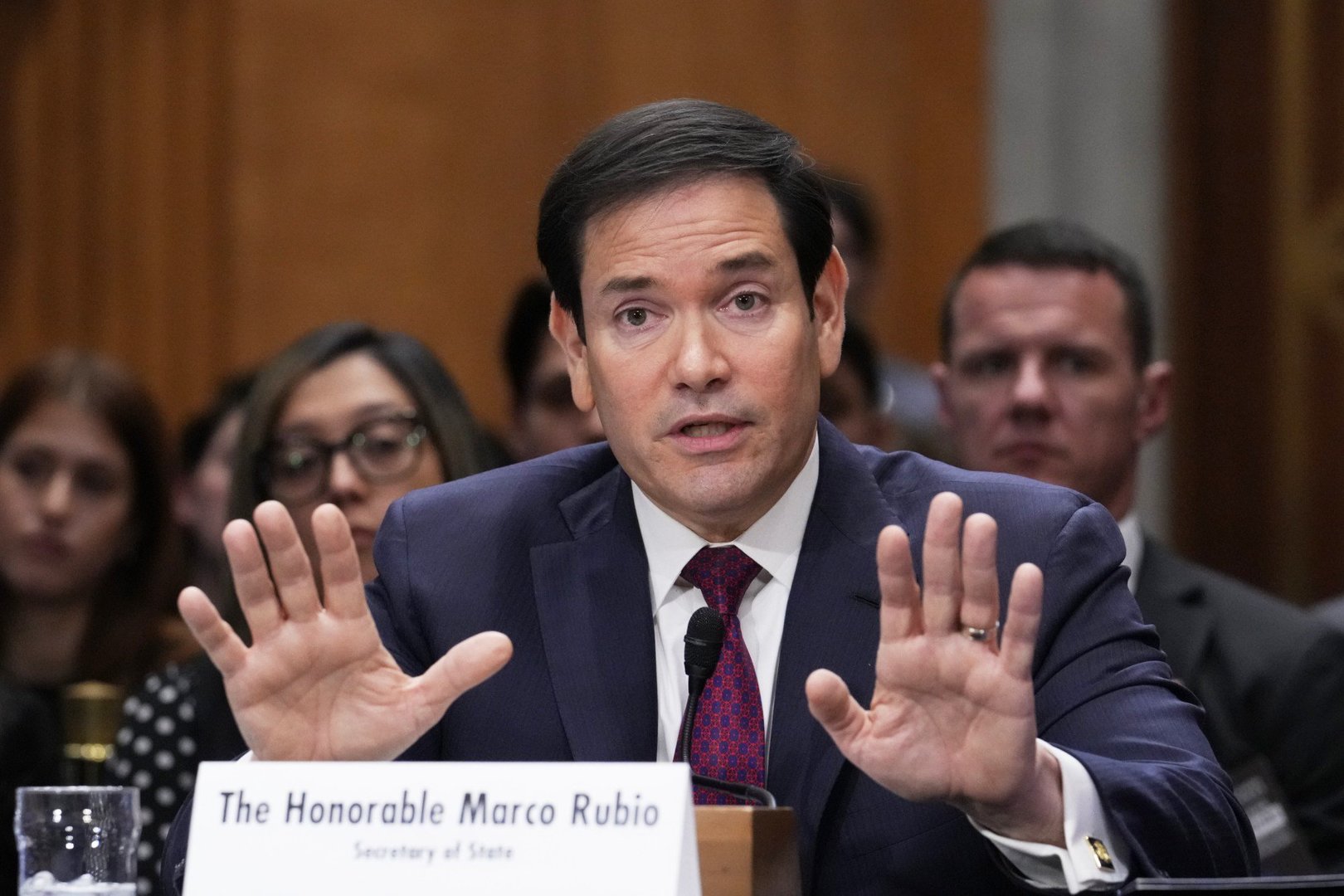
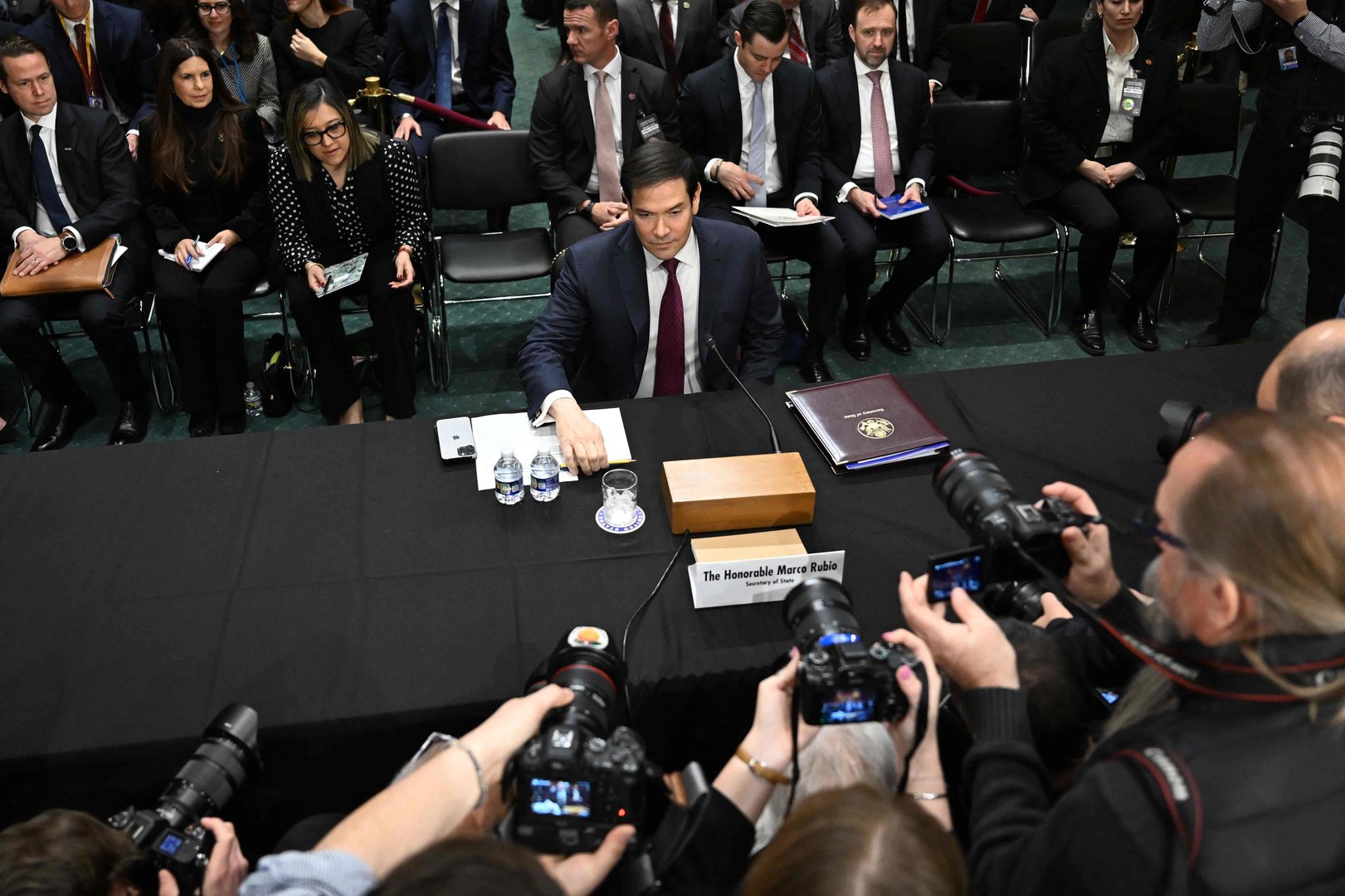
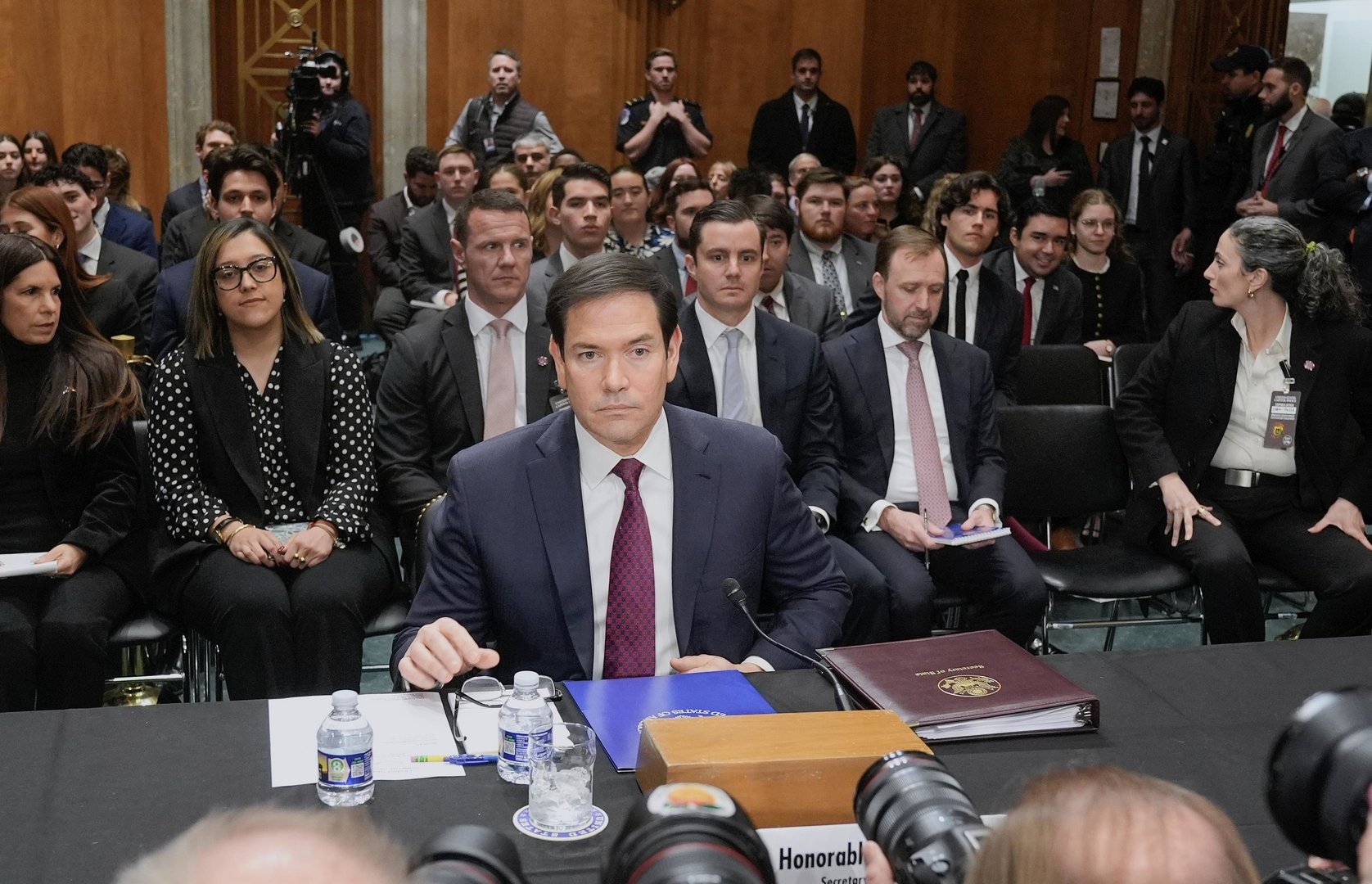
Venezuela’s interim authorities will submit monthly budget proposals to the United States for review and approval, Secretary of State Marco Rubio told the Senate Foreign Relations Committee on Wednesday, as the Trump administration seeks to stabilise the oil-rich nation in the aftermath of a dramatic U.S. operation that ousted former president Nicolás Maduro.
Rubio said the new mechanism, which places U.S. oversight on how funds are allocated, is part of broader efforts to restore essential services and prevent economic collapse while a longer-term political transition unfolds.
Rubio testified that the interim government, led by President Delcy Rodríguez, agreed to provide a detailed budget every month that will be analysed and authorised by U.S. officials before funds are released.
He said Washington will determine permissible uses of revenue — including prioritising urgent needs such as healthcare, policing and infrastructure — with a substantial portion of revenue being used to purchase goods and equipment from the U.S. under the arrangement.
The budget oversight process is described by Rubio as a temporary but necessary measure to ensure fiscal responsibility amid Venezuela’s economic collapse.
The budget requirement comes alongside U.S. control of Venezuelan oil revenue, which Rubio said will be managed by the U.S. Treasury to benefit the Venezuelan people during the transition.
He explained that allowing Venezuela to sell oil currently subject to U.S. sanctions will generate revenue that will be used under strict oversight, and deposited in controlled accounts to fund public services.
The interim leadership has cooperated with this framework, according to Rubio, signalling a willingness to work with Washington’s roadmap for stabilisation and recovery.
The arrangement follows a U.S.-led operation earlier in January that captured Maduro and his wife, leading to a significant reordering of political authority in Caracas.
Rubio and other administration officials have outlined a phased plan for Venezuela that emphasises stabilisation, economic recovery and eventual democratic transition, including free elections.
While Rubio indicated that further use of force remains a contingency if cooperation falters, he also underscored that the interim relationship with Rodríguez’s government is “productive and respectful,” and that the United States does not plan further military action.
The budget submission requirement will be central to U.S. efforts to prevent mismanagement and ensure that revenue is channelled toward public-facing priorities rather than entrenched interests.
Rubio’s comments reflect a broader strategy to use fiscal oversight, oil-market leverage and diplomatic engagement to guide Venezuela through a fragile transitional phase and ultimately toward greater political inclusivity and institutional reform.
Rubio said the new mechanism, which places U.S. oversight on how funds are allocated, is part of broader efforts to restore essential services and prevent economic collapse while a longer-term political transition unfolds.
Rubio testified that the interim government, led by President Delcy Rodríguez, agreed to provide a detailed budget every month that will be analysed and authorised by U.S. officials before funds are released.
He said Washington will determine permissible uses of revenue — including prioritising urgent needs such as healthcare, policing and infrastructure — with a substantial portion of revenue being used to purchase goods and equipment from the U.S. under the arrangement.
The budget oversight process is described by Rubio as a temporary but necessary measure to ensure fiscal responsibility amid Venezuela’s economic collapse.
The budget requirement comes alongside U.S. control of Venezuelan oil revenue, which Rubio said will be managed by the U.S. Treasury to benefit the Venezuelan people during the transition.
He explained that allowing Venezuela to sell oil currently subject to U.S. sanctions will generate revenue that will be used under strict oversight, and deposited in controlled accounts to fund public services.
The interim leadership has cooperated with this framework, according to Rubio, signalling a willingness to work with Washington’s roadmap for stabilisation and recovery.
The arrangement follows a U.S.-led operation earlier in January that captured Maduro and his wife, leading to a significant reordering of political authority in Caracas.
Rubio and other administration officials have outlined a phased plan for Venezuela that emphasises stabilisation, economic recovery and eventual democratic transition, including free elections.
While Rubio indicated that further use of force remains a contingency if cooperation falters, he also underscored that the interim relationship with Rodríguez’s government is “productive and respectful,” and that the United States does not plan further military action.
The budget submission requirement will be central to U.S. efforts to prevent mismanagement and ensure that revenue is channelled toward public-facing priorities rather than entrenched interests.
Rubio’s comments reflect a broader strategy to use fiscal oversight, oil-market leverage and diplomatic engagement to guide Venezuela through a fragile transitional phase and ultimately toward greater political inclusivity and institutional reform.