Focus on the BIG picture.
Thursday, Jan 29, 2026
Outside the box.

White House Grapples with Fallout and Fractured Messaging After Alex Pretti Shooting
Senior officials shift tone and initiate multiple federal reviews as the Trump administration faces mounting political and legal pressure
In the chaotic hours after federal agents fatally shot Alex Pretti, a 37-year-old intensive care nurse, in Minneapolis on January 24 during an immigration enforcement operation, the White House found itself navigating a rapidly escalating political and legal crisis as conflicting accounts and video evidence emerged.
The killing, which has drawn widespread public outrage and bipartisan demands for accountability, prompted an initial wave of comments from senior administration figures that were soon tempered as scrutiny intensified.
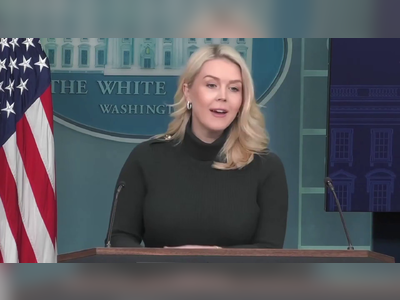
At the first official briefing on January 27, White House press secretary Karoline Leavitt sought to strike a more measured tone, saying “nobody in the White House, including President Trump, wants to see people getting hurt or killed in America’s streets,” as multiple federal investigations were announced.
The Department of Homeland Security, the Federal Bureau of Investigation and an internal Customs and Border Protection review were all launched to examine the circumstances surrounding the shooting.
This marked a notable shift from earlier statements by administration officials that characterised Pretti as a violent threat.
Leavitt’s remarks underscored the administration’s attempt to balance support for law enforcement with the need for a transparent review process.
The initial response from the White House and Department of Homeland Security had included assertive characterisations of the incident, with senior aides and DHS leadership suggesting that Pretti posed a lethal threat to federal officers.
However, widespread circulation of bystander videos and preliminary analyses raised serious questions about those claims.
Verified footage appears to show Pretti recording federal agents and being unarmed in his hands before being pushed, pepper-sprayed and ultimately shot after a struggle with officers — visuals that contradicted early official descriptions of the encounter.
As federal investigations proceeded, some within the administration grew concerned that the incident was becoming a political liability.
According to reports, senior aides expressed divergent views on how to address the increasingly volatile situation in Minneapolis, with some urging steps to de-escalate and others focusing on reinforcing support for law enforcement’s actions.
The White House also acted on logistics, deploying White House border czar Tom Homan to Minneapolis to oversee ongoing enforcement efforts and meet with state and local officials in an effort to ease tensions.
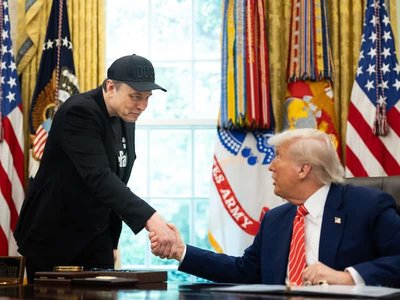
President Trump himself spoke with Minnesota Governor Tim Walz, with the administration describing the call as “very good” and focused on cooperation on immigration enforcement ahead.
The aftermath has seen legal and political ramifications expand rapidly.
Congress received formal notice that two federal officers — one with U.S. Border Patrol and another with Customs and Border Protection — fired their weapons during the encounter, according to notifications obtained by lawmakers.
This official timeline was included in preliminary reporting to Congress, even as questions persisted about whether Pretti had been armed and whether deadly force was justified.
Inside the White House, the competing pressures of managing political fallout, supporting federal law enforcement and responding to mounting calls for accountability have shaped the administration’s response in the days following the shooting.
The tensions underline the broader national debate over immigration enforcement operations and the use of force by federal agents, with the Pretti case serving as an acute flashpoint.
With multiple investigations underway and public scrutiny intensifying, the White House continues to navigate a deeply complex and rapidly evolving situation.
The killing, which has drawn widespread public outrage and bipartisan demands for accountability, prompted an initial wave of comments from senior administration figures that were soon tempered as scrutiny intensified.
At the first official briefing on January 27, White House press secretary Karoline Leavitt sought to strike a more measured tone, saying “nobody in the White House, including President Trump, wants to see people getting hurt or killed in America’s streets,” as multiple federal investigations were announced.
The Department of Homeland Security, the Federal Bureau of Investigation and an internal Customs and Border Protection review were all launched to examine the circumstances surrounding the shooting.
This marked a notable shift from earlier statements by administration officials that characterised Pretti as a violent threat.
Leavitt’s remarks underscored the administration’s attempt to balance support for law enforcement with the need for a transparent review process.
The initial response from the White House and Department of Homeland Security had included assertive characterisations of the incident, with senior aides and DHS leadership suggesting that Pretti posed a lethal threat to federal officers.
However, widespread circulation of bystander videos and preliminary analyses raised serious questions about those claims.
Verified footage appears to show Pretti recording federal agents and being unarmed in his hands before being pushed, pepper-sprayed and ultimately shot after a struggle with officers — visuals that contradicted early official descriptions of the encounter.
As federal investigations proceeded, some within the administration grew concerned that the incident was becoming a political liability.
According to reports, senior aides expressed divergent views on how to address the increasingly volatile situation in Minneapolis, with some urging steps to de-escalate and others focusing on reinforcing support for law enforcement’s actions.
The White House also acted on logistics, deploying White House border czar Tom Homan to Minneapolis to oversee ongoing enforcement efforts and meet with state and local officials in an effort to ease tensions.
President Trump himself spoke with Minnesota Governor Tim Walz, with the administration describing the call as “very good” and focused on cooperation on immigration enforcement ahead.
The aftermath has seen legal and political ramifications expand rapidly.
Congress received formal notice that two federal officers — one with U.S. Border Patrol and another with Customs and Border Protection — fired their weapons during the encounter, according to notifications obtained by lawmakers.
This official timeline was included in preliminary reporting to Congress, even as questions persisted about whether Pretti had been armed and whether deadly force was justified.
Inside the White House, the competing pressures of managing political fallout, supporting federal law enforcement and responding to mounting calls for accountability have shaped the administration’s response in the days following the shooting.
The tensions underline the broader national debate over immigration enforcement operations and the use of force by federal agents, with the Pretti case serving as an acute flashpoint.
With multiple investigations underway and public scrutiny intensifying, the White House continues to navigate a deeply complex and rapidly evolving situation.