Focus on the BIG picture.
Thursday, Dec 11, 2025
Outside the box.

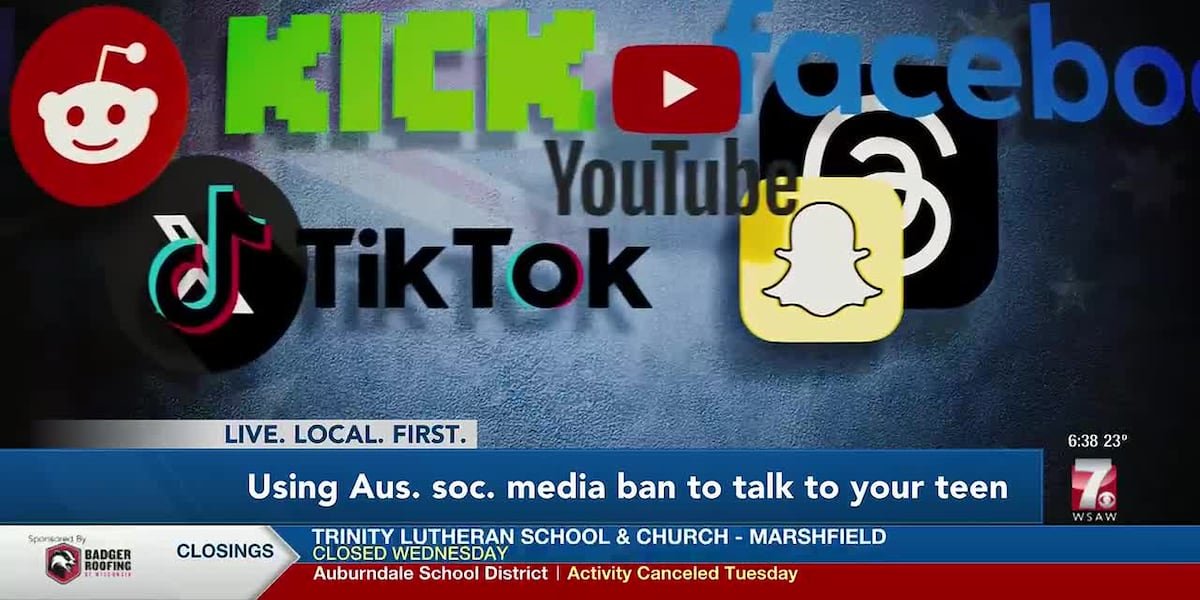
US Responds with Cautious Interest as Australia Enforces Under-Sixteen Social Media Ban
American lawmakers, tech leaders and advocates weigh youth-safety benefits against free-speech and enforcement concerns
The rollout of Australia’s pioneering national ban on social media accounts for under-sixteen-year-olds has drawn a swift and varied response in the United States, where policymakers and industry leaders are assessing whether such sweeping restrictions could take hold on American soil.
The Australian law, which took effect on December 10, requires major platforms to remove under-age accounts and block new ones or face substantial financial penalties.
In Washington, several public figures expressed admiration for Australia’s decisive action, framing it as a bold attempt to address rising concerns about adolescent mental health and the influence of algorithm-driven platforms.
Some lawmakers signalled openness to adopting similar safeguards, noting the growing anxiety among American parents over the scale of youth exposure to harmful online environments.
At the same time, influential voices across the U.S. technology sector and civil-liberties community raised pointed reservations.
They argue that replicating Australia’s model would require confronting longstanding constitutional protections, particularly those relating to free expression and privacy.
Industry leaders also questioned whether large-scale age verification could be implemented effectively without imposing intrusive identification requirements.
Australian regulators, aware of the scrutiny, contend that social-media companies should not enjoy exemptions from standards applied to other products entering domestic markets.
They point to what they describe as increasing alignment between Australian and American public sentiment on youth safety, even if the legal frameworks differ.
The varied reactions in the United States underscore a widening global debate over how far governments should go to shield minors from online harms.
As Australia begins enforcing its ban and platforms navigate the early stages of compliance, U.S. policymakers are watching closely to determine whether the move represents an emerging international norm or a uniquely Australian approach unlikely to be mirrored under American law.
The Australian law, which took effect on December 10, requires major platforms to remove under-age accounts and block new ones or face substantial financial penalties.
In Washington, several public figures expressed admiration for Australia’s decisive action, framing it as a bold attempt to address rising concerns about adolescent mental health and the influence of algorithm-driven platforms.
Some lawmakers signalled openness to adopting similar safeguards, noting the growing anxiety among American parents over the scale of youth exposure to harmful online environments.
At the same time, influential voices across the U.S. technology sector and civil-liberties community raised pointed reservations.
They argue that replicating Australia’s model would require confronting longstanding constitutional protections, particularly those relating to free expression and privacy.
Industry leaders also questioned whether large-scale age verification could be implemented effectively without imposing intrusive identification requirements.
Australian regulators, aware of the scrutiny, contend that social-media companies should not enjoy exemptions from standards applied to other products entering domestic markets.
They point to what they describe as increasing alignment between Australian and American public sentiment on youth safety, even if the legal frameworks differ.
The varied reactions in the United States underscore a widening global debate over how far governments should go to shield minors from online harms.
As Australia begins enforcing its ban and platforms navigate the early stages of compliance, U.S. policymakers are watching closely to determine whether the move represents an emerging international norm or a uniquely Australian approach unlikely to be mirrored under American law.