Focus on the BIG picture.
Friday, Jan 30, 2026
Outside the box.

Washington State Moves to Clarify Election Law After Court Challenges
Legal uncertainty over what constitutes an ‘election’ prompts legislative review following a court decision that overturned a voter’s conviction for voting twice
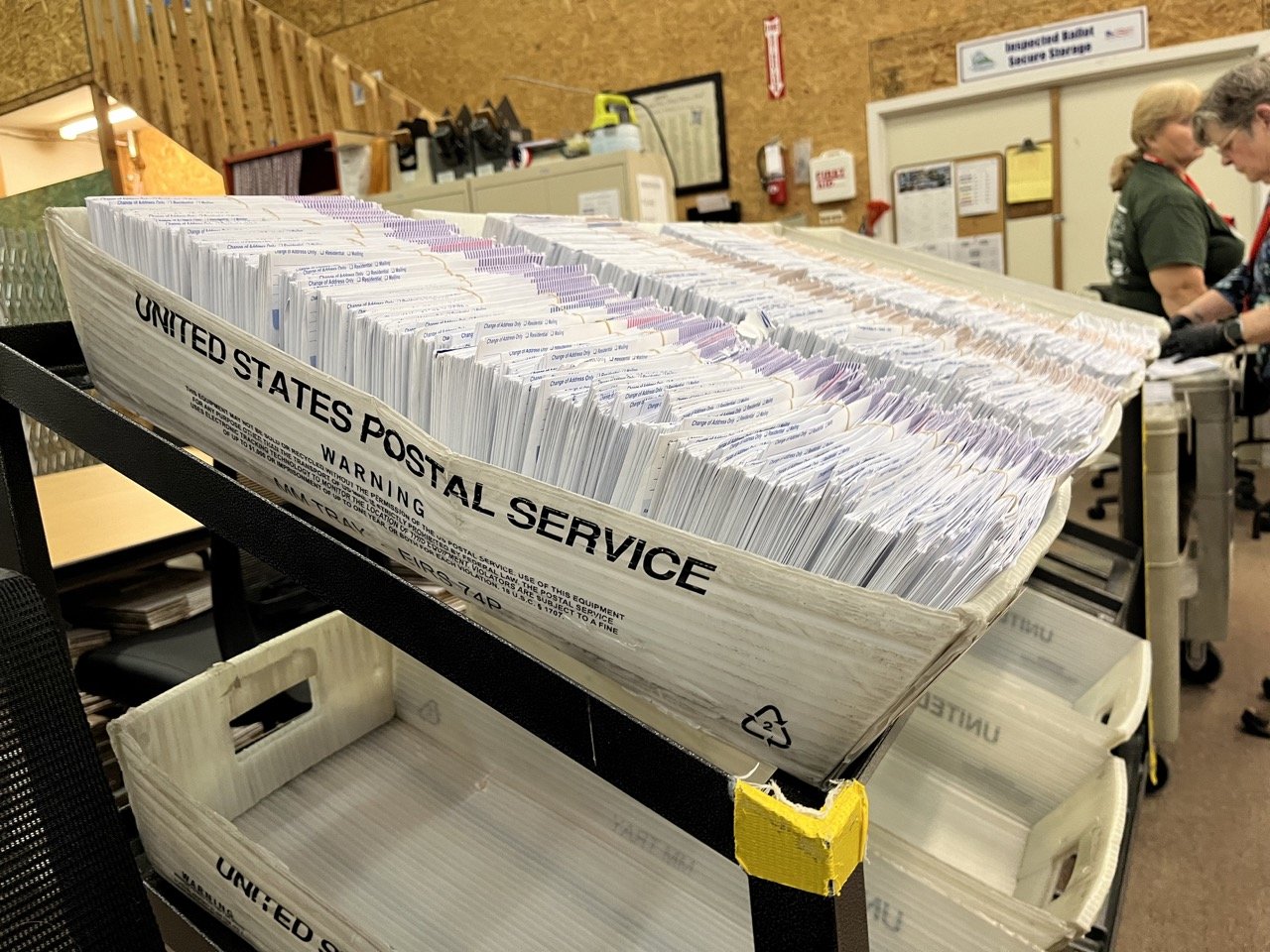
A recent ruling by a Washington state appeals court has spurred lawmakers to seek legislative clarification on the state’s definition of an “election” amid concerns about legal ambiguity and potential loopholes in election law.
Last month, the appeals court overturned a felony conviction of a Lewis County resident who had cast ballots in both Washington and neighboring Oregon during the November 2022 cycle, finding insufficient legal clarity around key terms and triggers related to state election law.
This unexpected outcome has raised questions among legal experts and legislators about how election statutes should be interpreted and applied to ensure consistent enforcement and prevent future disputes.
State officials and legislative leaders are now considering proposals to revise the statutory language governing the conduct and scope of elections, including precise definitions of what constitutes an election event under Washington law.
At issue is how courts and prosecutors interpret existing statutes, which currently outline broad election procedures but may lack sufficiently specific triggers for criminal prosecutions tied to dual voting or related conduct.
The focus on legislative reform reflects a broader recognition that clear legal definitions underpin effective administration and public confidence in electoral processes.
The court’s decision has drawn attention from both legal commentators and election administrators who emphasize the importance of aligning statutory language with practical enforcement realities.
Advocates for reform argue that without explicit statutory definitions, prosecutors may face challenges in securing convictions in cases where voters are alleged to have violated election laws, potentially undermining deterrence and accountability.
With elections central to democratic governance, state leaders are under growing pressure to act swiftly to address ambiguities and safeguard the integrity of future electoral contests in Washington.
The debate over clearer election definitions unfolds against a backdrop of ongoing discussion in the state Legislature about election administration, voter access, and legal standards for contesting election outcomes.
Lawmakers have suggested targeted amendments that would sharpen legal terminology and clarify when and how laws apply, aiming to preempt further litigation and ensure that the election code accurately reflects both legislative intent and contemporary electoral practices.
As deliberations continue, stakeholders from across the political spectrum are watching closely to see how Washington will reinforce the legal infrastructure of its elections in response to the court’s ruling.
Last month, the appeals court overturned a felony conviction of a Lewis County resident who had cast ballots in both Washington and neighboring Oregon during the November 2022 cycle, finding insufficient legal clarity around key terms and triggers related to state election law.
This unexpected outcome has raised questions among legal experts and legislators about how election statutes should be interpreted and applied to ensure consistent enforcement and prevent future disputes.
State officials and legislative leaders are now considering proposals to revise the statutory language governing the conduct and scope of elections, including precise definitions of what constitutes an election event under Washington law.
At issue is how courts and prosecutors interpret existing statutes, which currently outline broad election procedures but may lack sufficiently specific triggers for criminal prosecutions tied to dual voting or related conduct.
The focus on legislative reform reflects a broader recognition that clear legal definitions underpin effective administration and public confidence in electoral processes.
The court’s decision has drawn attention from both legal commentators and election administrators who emphasize the importance of aligning statutory language with practical enforcement realities.
Advocates for reform argue that without explicit statutory definitions, prosecutors may face challenges in securing convictions in cases where voters are alleged to have violated election laws, potentially undermining deterrence and accountability.
With elections central to democratic governance, state leaders are under growing pressure to act swiftly to address ambiguities and safeguard the integrity of future electoral contests in Washington.
The debate over clearer election definitions unfolds against a backdrop of ongoing discussion in the state Legislature about election administration, voter access, and legal standards for contesting election outcomes.
Lawmakers have suggested targeted amendments that would sharpen legal terminology and clarify when and how laws apply, aiming to preempt further litigation and ensure that the election code accurately reflects both legislative intent and contemporary electoral practices.
As deliberations continue, stakeholders from across the political spectrum are watching closely to see how Washington will reinforce the legal infrastructure of its elections in response to the court’s ruling.