Focus on the BIG picture.
Saturday, Dec 13, 2025
Outside the box.

Closed-Door Sessions Between FBI and Ukraine’s Lead Negotiator Raise Diplomatic Questions
Unpublicised meetings involving Ukraine’s chief peace envoy and senior FBI officials have prompted concern among Western diplomats about transparency amid fragile peace negotiations
Secret meetings between Ukraine’s principal negotiator, Rustem Umerov, and senior officials from the Federal Bureau of Investigation in the United States have emerged as a subject of controversy in the context of high-stakes efforts to end the war with Russia.
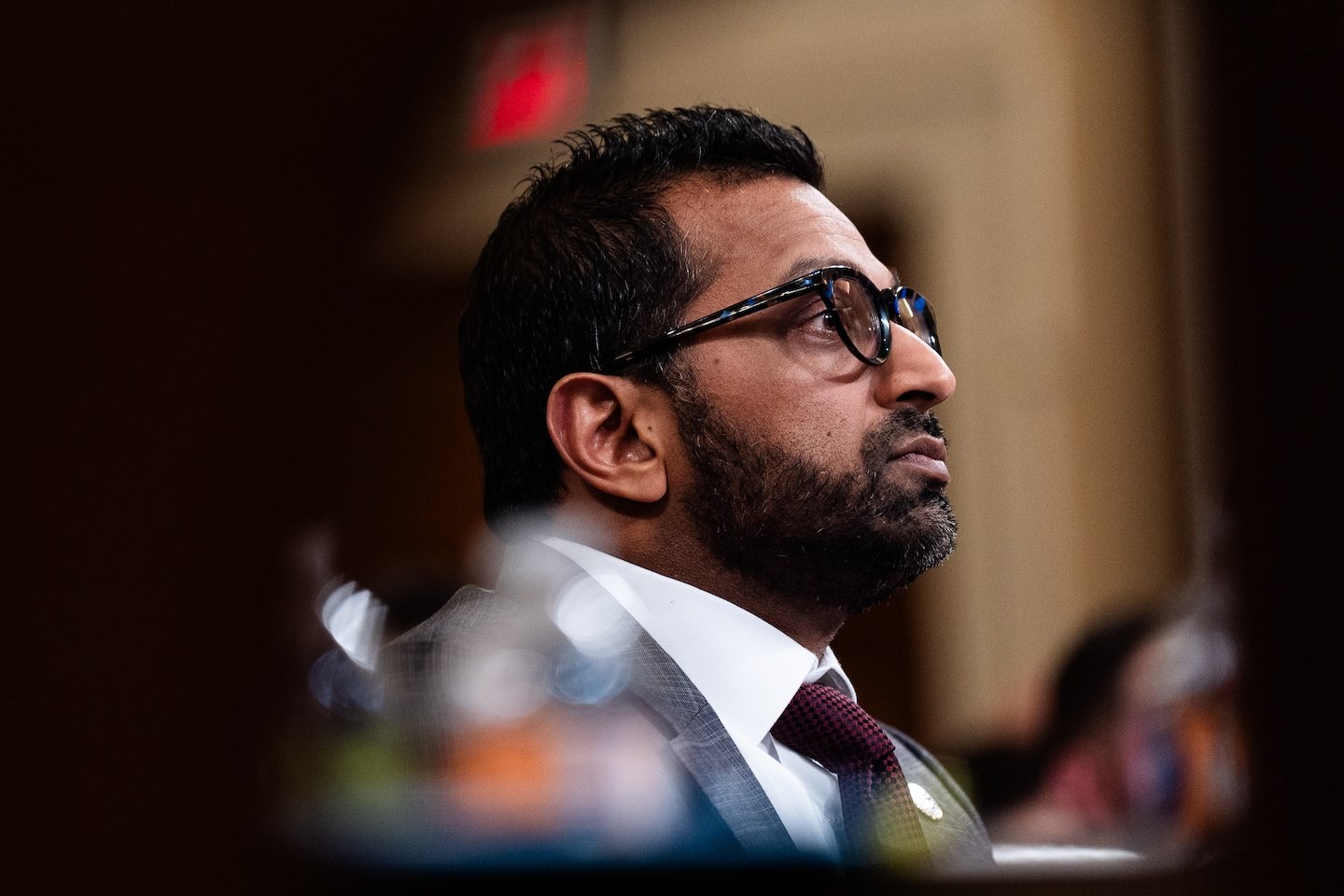
Umerov, who also serves as Ukraine’s national security adviser, travelled to Miami three times in recent weeks to engage with US-backed peace mediators, including special envoy Steve Witkoff, and conducted closed-door discussions with FBI Director Kash Patel and Deputy Director Dan Bongino.
These interactions have alarmed some Western officials, who say the undisclosed nature of the talks complicates coordination and raises questions about their purpose and scope.
Senior Ukrainian diplomatic sources acknowledged that the meetings addressed national security and law enforcement cooperation, but they emphasised that detailed public disclosure was not appropriate at this stage of negotiations.
A US law enforcement official confirmed that topics such as shared security interests and the importance of confronting corruption were discussed, but clarified that these were not the primary focus of the talks.
Supporters of Umerov’s approach argue that direct engagement with US agencies strengthens institutional ties and enhances cooperation on mutual threats.
The revelations come amid broader international efforts to broker a peace settlement to the nearly four-year conflict, which has seen separate negotiations involving Ukrainian, European and American security advisers to coordinate positions on potential peace plans and security guarantees.
These official dialogues have operated alongside more informal interactions, including meetings involving US envoys and Russian interlocutors, that have drawn scrutiny from lawmakers and diplomats concerned about bilateral dynamics and transparency.
Critics of the secretive meetings worry that informal channels, particularly involving figures with strong political ties but limited formal diplomatic roles, could undermine cohesive strategy and dilute established negotiation frameworks.
Some Western diplomats have expressed unease that ad-hoc exchanges might signal shifting priorities or introduce confusion about US support parameters.
Proponents counter that flexible engagement can create opportunities to bridge gaps and build confidence, particularly as formal peace talks address complex issues such as territorial integrity, security arrangements and economic reconstruction.
The sensitive nature of these interactions reflects the broader challenges facing the peace process.
Ukrainian President Volodymyr Zelenskyy has publicly engaged with European and American leaders to maintain unified support for Kyiv’s negotiating position, even as the United States, under Trump administration envoys, continues to press for progress on a settlement.
As discussions evolve, the balance between private diplomatic engagement and transparent multilateral coordination remains a focal point for allies and observers alike, underscoring the intricate diplomacy required to resolve the conflict and secure lasting stability.
Umerov, who also serves as Ukraine’s national security adviser, travelled to Miami three times in recent weeks to engage with US-backed peace mediators, including special envoy Steve Witkoff, and conducted closed-door discussions with FBI Director Kash Patel and Deputy Director Dan Bongino.
These interactions have alarmed some Western officials, who say the undisclosed nature of the talks complicates coordination and raises questions about their purpose and scope.
Senior Ukrainian diplomatic sources acknowledged that the meetings addressed national security and law enforcement cooperation, but they emphasised that detailed public disclosure was not appropriate at this stage of negotiations.
A US law enforcement official confirmed that topics such as shared security interests and the importance of confronting corruption were discussed, but clarified that these were not the primary focus of the talks.
Supporters of Umerov’s approach argue that direct engagement with US agencies strengthens institutional ties and enhances cooperation on mutual threats.
The revelations come amid broader international efforts to broker a peace settlement to the nearly four-year conflict, which has seen separate negotiations involving Ukrainian, European and American security advisers to coordinate positions on potential peace plans and security guarantees.
These official dialogues have operated alongside more informal interactions, including meetings involving US envoys and Russian interlocutors, that have drawn scrutiny from lawmakers and diplomats concerned about bilateral dynamics and transparency.
Critics of the secretive meetings worry that informal channels, particularly involving figures with strong political ties but limited formal diplomatic roles, could undermine cohesive strategy and dilute established negotiation frameworks.
Some Western diplomats have expressed unease that ad-hoc exchanges might signal shifting priorities or introduce confusion about US support parameters.
Proponents counter that flexible engagement can create opportunities to bridge gaps and build confidence, particularly as formal peace talks address complex issues such as territorial integrity, security arrangements and economic reconstruction.
The sensitive nature of these interactions reflects the broader challenges facing the peace process.
Ukrainian President Volodymyr Zelenskyy has publicly engaged with European and American leaders to maintain unified support for Kyiv’s negotiating position, even as the United States, under Trump administration envoys, continues to press for progress on a settlement.
As discussions evolve, the balance between private diplomatic engagement and transparent multilateral coordination remains a focal point for allies and observers alike, underscoring the intricate diplomacy required to resolve the conflict and secure lasting stability.