Focus on the BIG picture.
Saturday, Dec 13, 2025
Outside the box.

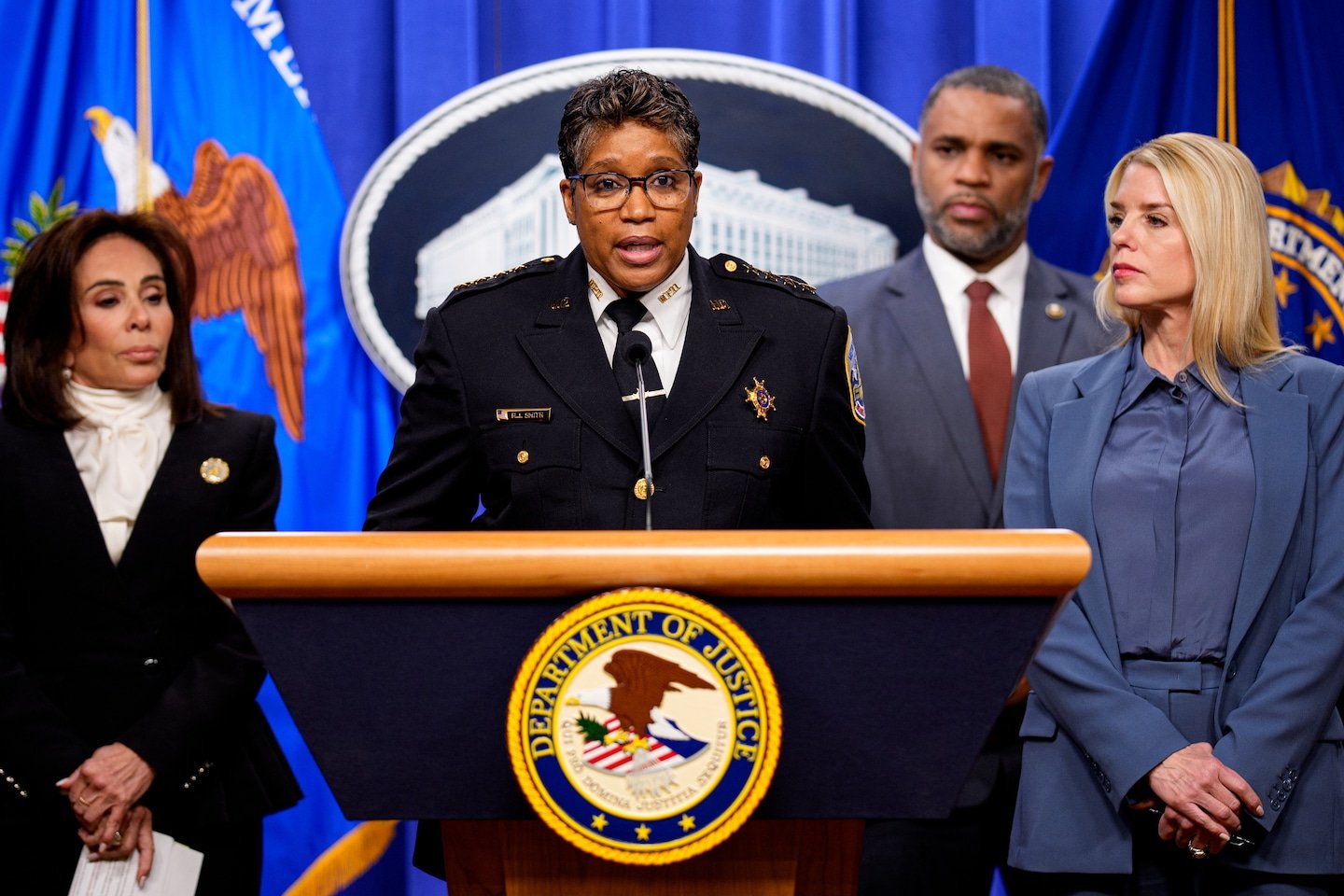
DOJ Draft Report Says DC Police Leadership Cultivated ‘Culture of Fear’ Around Crime Reporting
Justice Department investigation finds coercive environment in Metropolitan Police Department may have contributed to unreliable crime data under Chief Pamela Smith
A draft Department of Justice report has concluded that the leadership of the Washington, D.C. Metropolitan Police Department under Chief Pamela A. Smith fostered a “coercive culture of fear” that likely incentivised improper classification of crime reports, raising questions about the reliability of official statistics.
The document, compiled by the U.S. Attorney’s Office for the District of Columbia, reviewed approximately 5,800 police reports and interviewed more than fifty current and former officers and civilian staff, many of whom described pressure to present dramatically reduced crime figures.
Although the draft does not present direct evidence that Smith explicitly ordered downgrading of crimes, investigators tied the rise in misclassifications to her leadership style, noting that supervisors and commanders were subjected to criticism, humiliation and the threat of retaliation if crime figures did not align with expectations.
Officers volunteering information suggested that some felt compelled to lower classifications of serious offences to meet performance goals, causing morale problems and fear of retribution.
The report emerged days after Smith announced her resignation, effective at the end of the year, a move she attributed to personal reasons and not to the federal inquiry.
Smith has maintained that crime data was not manipulated under her watch and pointed to significant drops in violent crime and homicides during her tenure.
While the draft focuses on culture and administrative practices rather than criminal conduct, it describes “data integrity issues” and identifies a pattern of misclassification across multiple categories of reported incidents.
Mayor Muriel Bowser has defended Smith’s record on public safety, highlighting marked declines in violent crime during a period of unprecedented challenges, including staffing shortages and federal involvement in city policing.
Despite the controversy, the city’s official data shows a substantial reduction in violent crime compared with previous years, though the DOJ’s findings complicate interpretations of those trends.
The draft report was prepared by Assistant U.S. Attorney Steven Vandervelden and is circulating among federal and local officials as discussions continue over the future leadership and data practices within the department.
The document, compiled by the U.S. Attorney’s Office for the District of Columbia, reviewed approximately 5,800 police reports and interviewed more than fifty current and former officers and civilian staff, many of whom described pressure to present dramatically reduced crime figures.
Although the draft does not present direct evidence that Smith explicitly ordered downgrading of crimes, investigators tied the rise in misclassifications to her leadership style, noting that supervisors and commanders were subjected to criticism, humiliation and the threat of retaliation if crime figures did not align with expectations.
Officers volunteering information suggested that some felt compelled to lower classifications of serious offences to meet performance goals, causing morale problems and fear of retribution.
The report emerged days after Smith announced her resignation, effective at the end of the year, a move she attributed to personal reasons and not to the federal inquiry.
Smith has maintained that crime data was not manipulated under her watch and pointed to significant drops in violent crime and homicides during her tenure.
While the draft focuses on culture and administrative practices rather than criminal conduct, it describes “data integrity issues” and identifies a pattern of misclassification across multiple categories of reported incidents.
Mayor Muriel Bowser has defended Smith’s record on public safety, highlighting marked declines in violent crime during a period of unprecedented challenges, including staffing shortages and federal involvement in city policing.
Despite the controversy, the city’s official data shows a substantial reduction in violent crime compared with previous years, though the DOJ’s findings complicate interpretations of those trends.
The draft report was prepared by Assistant U.S. Attorney Steven Vandervelden and is circulating among federal and local officials as discussions continue over the future leadership and data practices within the department.