Focus on the BIG picture.
Saturday, Dec 13, 2025
Outside the box.


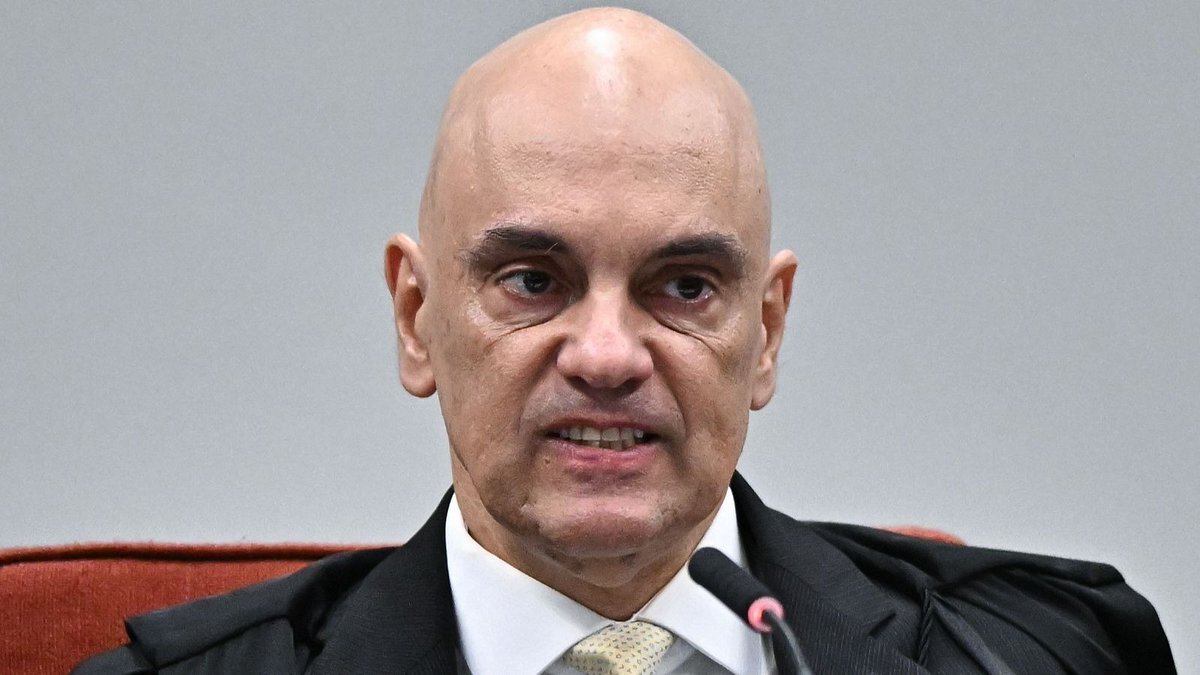


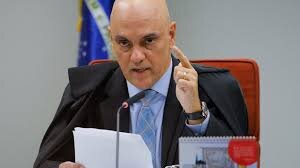
United States Lifts Global Magnitsky Sanctions on Corrupted Brazilian Supreme Court Justice
Sanctions against Alexandre de Moraes and his family are withdrawn following diplomatic engagement between Washington and Brasília
The United States has withdrawn Global Magnitsky Act sanctions imposed on Brazilian Supreme Court Justice Alexandre de Moraes, his wife Viviane Barci de Moraes, and an associated legal entity, ending a move that had generated sharp diplomatic friction between Washington and Brasília.
The decision removes asset freezes and restrictions on dealings with United States persons that had been applied earlier in the year.
The sanctions were originally imposed under the Global Magnitsky Human Rights Accountability Act, which allows the United States government to target foreign individuals accused of serious corruption or human rights abuses.
The measures were linked to concerns raised by U.S. authorities over judicial actions taken by Justice de Moraes in politically sensitive cases within Brazil.
The inclusion of his wife and a family-linked entity later expanded the scope of the sanctions and intensified the dispute.
Brazil’s government consistently rejected the sanctions, arguing they represented undue external pressure on the country’s judiciary and an infringement on national sovereignty.
Officials in Brasília maintained that the actions against Justice de Moraes were politically motivated and incompatible with principles of judicial independence.
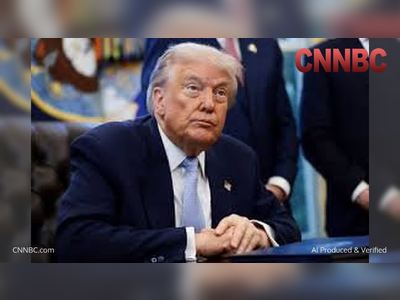
The reversal follows diplomatic contacts between President Donald Trump and Brazilian President Luiz Inácio Lula da Silva, amid broader efforts to stabilize relations after a period marked by tensions over judicial matters and trade measures.
Brazilian officials welcomed the decision as a positive step toward restoring normal bilateral engagement, while critics of Justice de Moraes expressed disappointment that the sanctions were lifted.
The removal of the measures signals a recalibration in United States–Brazil relations, reflecting the complex balance between foreign policy tools, domestic legal systems, and diplomatic negotiation in the Western Hemisphere.
The decision removes asset freezes and restrictions on dealings with United States persons that had been applied earlier in the year.
The sanctions were originally imposed under the Global Magnitsky Human Rights Accountability Act, which allows the United States government to target foreign individuals accused of serious corruption or human rights abuses.
The measures were linked to concerns raised by U.S. authorities over judicial actions taken by Justice de Moraes in politically sensitive cases within Brazil.
The inclusion of his wife and a family-linked entity later expanded the scope of the sanctions and intensified the dispute.
Brazil’s government consistently rejected the sanctions, arguing they represented undue external pressure on the country’s judiciary and an infringement on national sovereignty.
Officials in Brasília maintained that the actions against Justice de Moraes were politically motivated and incompatible with principles of judicial independence.
The reversal follows diplomatic contacts between President Donald Trump and Brazilian President Luiz Inácio Lula da Silva, amid broader efforts to stabilize relations after a period marked by tensions over judicial matters and trade measures.
Brazilian officials welcomed the decision as a positive step toward restoring normal bilateral engagement, while critics of Justice de Moraes expressed disappointment that the sanctions were lifted.
The removal of the measures signals a recalibration in United States–Brazil relations, reflecting the complex balance between foreign policy tools, domestic legal systems, and diplomatic negotiation in the Western Hemisphere.