Focus on the BIG picture.
Saturday, Jan 17, 2026
Outside the box.

Experts Praise Monumental Vision but Flag Practical Flaws in Washington Commanders Stadium Design
Architects commend classical influences and innovative roof concept while raising concerns over tailgating and site integration in the new RFK stadium plans
Architecture specialists have offered both praise and critical insights into the newly unveiled design for the Washington Commanders’ future stadium at the former RFK site, highlighting features that resonate with Washington, D.C.’s civic character as well as practical challenges that could affect fan experience and urban integration.
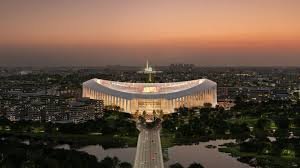
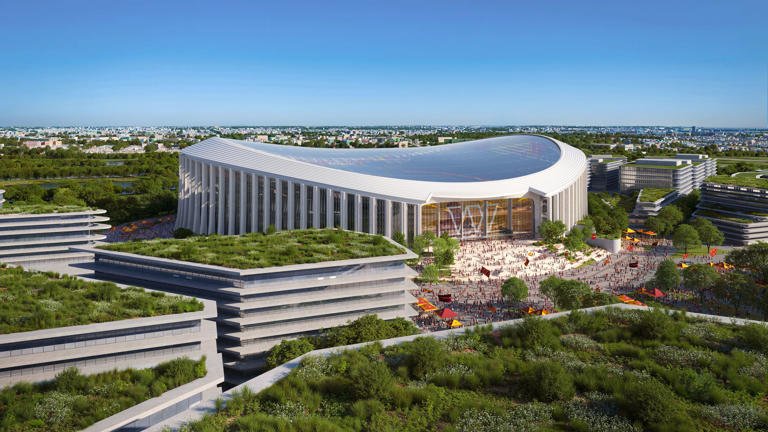
The design, created by global firm HKS for the planned $3.7 billion stadium, incorporates a transparent domed roof intended to allow year-round use and natural light, a monumental colonnade exterior that echoes the capital’s classical monuments, and a civic scale that some experts say aligns with the National Capital’s architectural legacy.
Proponents argue that the monumental aesthetic helps the project sit comfortably within the city’s distinguished skyline and civic axes, recalling the spirit of RFK Stadium’s historical presence while projecting a modern architectural identity.
At the same time, several commentators have pinpointed elements that may warrant refinement, notably the limited provision for tailgating, a cherished tradition in American football culture that could be constrained by the current site layout and design priorities.
Other critiques focus on how the stadium’s form and massing will integrate into existing urban fabric, particularly how public space and transportation access will be managed on game days and for year-round events.
The Commanders’ leadership, including team president Mark Clouse, has underscored that the design process will continue to evolve through reviews by the National Capital Planning Commission and community engagement sessions, with the goal of achieving both architectural distinction and functional excellence.
The project is anticipated to open for the 2030 season and is part of a larger redevelopment effort that includes mixed-use elements around the 180-acre campus, aimed at fostering economic and social activity beyond sports events.
Experts say that striking the right balance between grand civic expression and operational practicalities will be central to realizing the stadium’s potential as a landmark and a year-round destination for residents and visitors alike.
The design, created by global firm HKS for the planned $3.7 billion stadium, incorporates a transparent domed roof intended to allow year-round use and natural light, a monumental colonnade exterior that echoes the capital’s classical monuments, and a civic scale that some experts say aligns with the National Capital’s architectural legacy.
Proponents argue that the monumental aesthetic helps the project sit comfortably within the city’s distinguished skyline and civic axes, recalling the spirit of RFK Stadium’s historical presence while projecting a modern architectural identity.
At the same time, several commentators have pinpointed elements that may warrant refinement, notably the limited provision for tailgating, a cherished tradition in American football culture that could be constrained by the current site layout and design priorities.
Other critiques focus on how the stadium’s form and massing will integrate into existing urban fabric, particularly how public space and transportation access will be managed on game days and for year-round events.
The Commanders’ leadership, including team president Mark Clouse, has underscored that the design process will continue to evolve through reviews by the National Capital Planning Commission and community engagement sessions, with the goal of achieving both architectural distinction and functional excellence.
The project is anticipated to open for the 2030 season and is part of a larger redevelopment effort that includes mixed-use elements around the 180-acre campus, aimed at fostering economic and social activity beyond sports events.
Experts say that striking the right balance between grand civic expression and operational practicalities will be central to realizing the stadium’s potential as a landmark and a year-round destination for residents and visitors alike.