Focus on the BIG picture.
Saturday, Jan 17, 2026
Outside the box.

White House Roundtable Champions Record Federal Investment to Transform Rural Health Care
President Trump convenes bipartisan leaders and health officials to advance a $50 billion initiative aimed at strengthening medical services across rural America
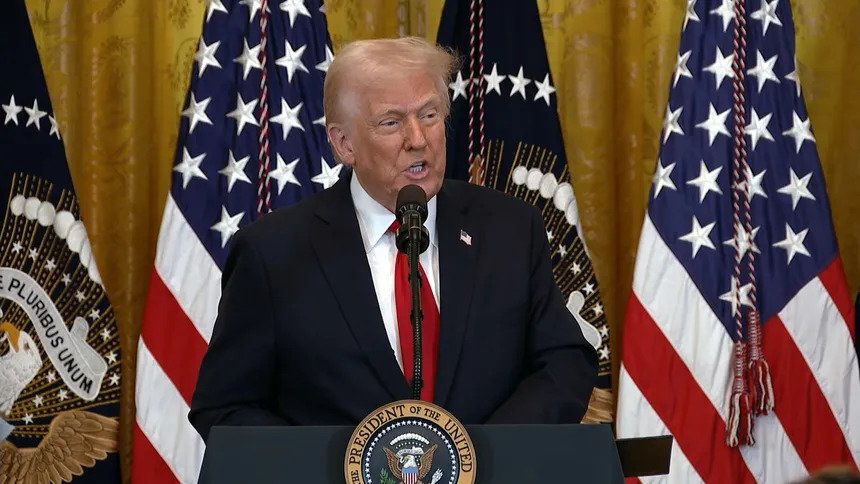
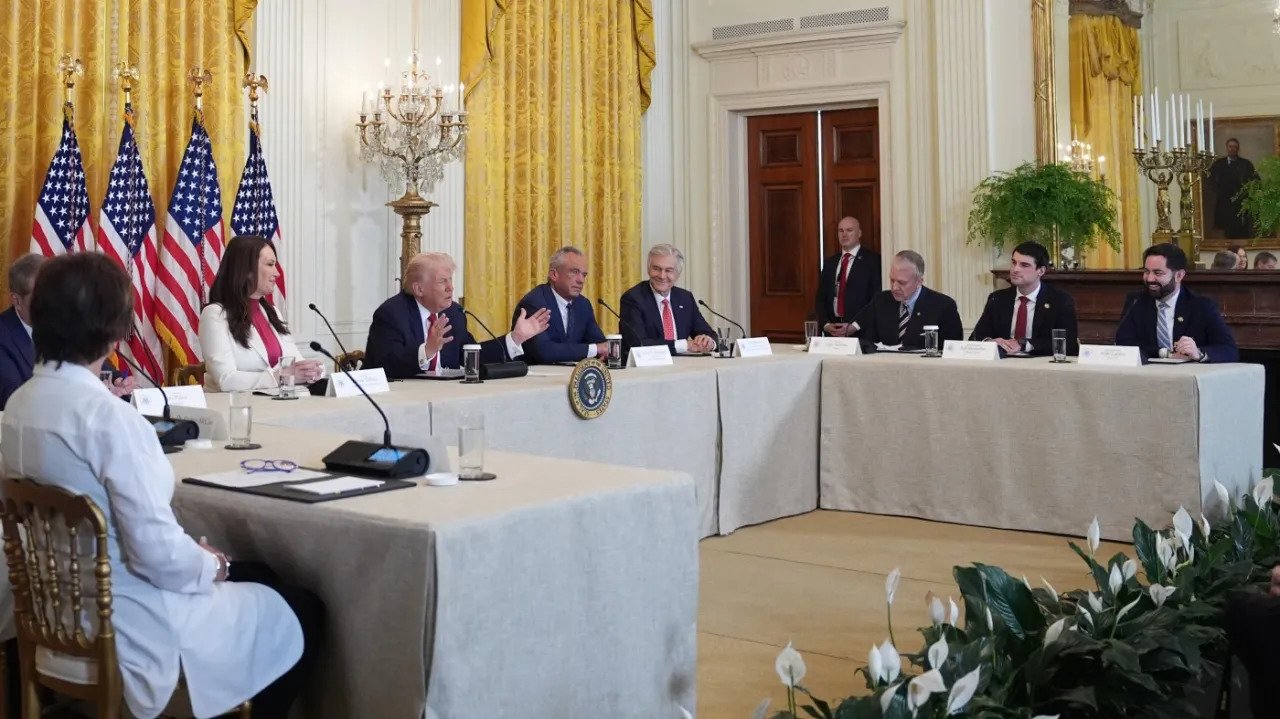
President Donald Trump hosted a high-profile roundtable on rural health at the White House on January 16, underscoring his administration’s commitment to expanding access to quality medical care in rural communities nationwide.
The event brought together Cabinet members, state and federal legislators, health care leaders and rural practitioners to discuss the implementation of the Rural Health Transformation Program, a $50 billion federal initiative designed to modernise rural health infrastructure, bolster the workforce and improve service delivery.
Trump described the funding as unprecedented in scale and essential to ensuring that residents in small towns and farming regions receive dependable health care without needing to travel long distances.
Officials highlighted that the programme will distribute approximately $10 billion in its first year to all 50 states, enabling states to expand preventive, primary, maternal and behavioural health services, recruit and retain clinicians, and enhance telehealth and emergency services.
Speaking at the roundtable, Health and Human Services Secretary Robert F. Kennedy Jr. and Centers for Medicare & Medicaid Services Administrator Dr. Mehmet Oz emphasised the transformative potential of the programme in strengthening rural hospitals and clinic networks, and in supporting innovative care models tailored to remote populations.
The discussion also featured contributions from Agriculture Secretary Brooke Rollins, Senator Dan Sullivan, Governor Jim Pillen, and Representatives Rob Bresnahan and Mike Lawler, all of whom highlighted the needs of their rural constituencies and the expected benefits of the funding.
Lawler noted that his state anticipates receiving more than two hundred million dollars in the initial allotment, which will help sustain local medical services and broaden care access.
Representatives of nursing and medical associations echoed the priorities of the roundtable, stressing workforce development and the role of advanced practice clinicians in rural health delivery.
The roundtable reaffirmed the administration’s broader strategy to address long-standing disparities in rural health outcomes by empowering states and communities with substantial federal resources, administrative guidance and collaborative frameworks to realise lasting improvements in rural care access and quality.
The event brought together Cabinet members, state and federal legislators, health care leaders and rural practitioners to discuss the implementation of the Rural Health Transformation Program, a $50 billion federal initiative designed to modernise rural health infrastructure, bolster the workforce and improve service delivery.
Trump described the funding as unprecedented in scale and essential to ensuring that residents in small towns and farming regions receive dependable health care without needing to travel long distances.
Officials highlighted that the programme will distribute approximately $10 billion in its first year to all 50 states, enabling states to expand preventive, primary, maternal and behavioural health services, recruit and retain clinicians, and enhance telehealth and emergency services.
Speaking at the roundtable, Health and Human Services Secretary Robert F. Kennedy Jr. and Centers for Medicare & Medicaid Services Administrator Dr. Mehmet Oz emphasised the transformative potential of the programme in strengthening rural hospitals and clinic networks, and in supporting innovative care models tailored to remote populations.
The discussion also featured contributions from Agriculture Secretary Brooke Rollins, Senator Dan Sullivan, Governor Jim Pillen, and Representatives Rob Bresnahan and Mike Lawler, all of whom highlighted the needs of their rural constituencies and the expected benefits of the funding.
Lawler noted that his state anticipates receiving more than two hundred million dollars in the initial allotment, which will help sustain local medical services and broaden care access.
Representatives of nursing and medical associations echoed the priorities of the roundtable, stressing workforce development and the role of advanced practice clinicians in rural health delivery.
The roundtable reaffirmed the administration’s broader strategy to address long-standing disparities in rural health outcomes by empowering states and communities with substantial federal resources, administrative guidance and collaborative frameworks to realise lasting improvements in rural care access and quality.