Focus on the BIG picture.
Saturday, Dec 13, 2025
Outside the box.

Exploring Australia’s Defence Options in a Changing Geopolitical Landscape
With the U.S. alliance under scrutiny, Australia contemplates alternative defense partnerships and strategies.
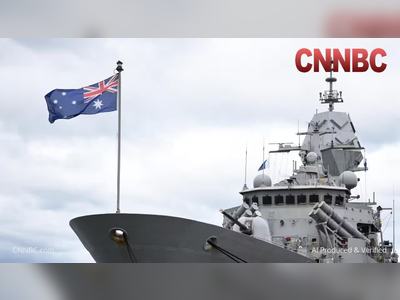
For decades, the United States has been a cornerstone ally for Australia, ensuring regional stability in the Indo-Pacific.
Recent developments, however, have prompted reevaluations of this longstanding partnership, particularly in light of changing U.S. administration policies.
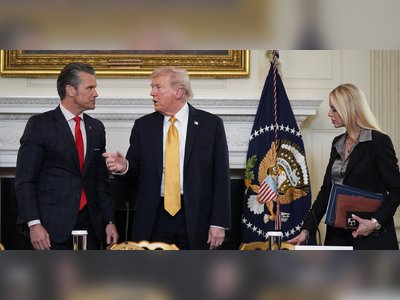
Notably, U.S. Defense Secretary Pete Hegseth recently urged Australia to increase its defense budget to 3.5% of its gross domestic product (GDP); Australia currently allocates around 2%, with a planned increase to 2.35% by 2034.
President Donald Trump's approach to U.S. alliances has raised questions concerning Australia’s reliance on U.S. protection.
While experts generally do not foresee a significant withdrawal of U.S. presence from the Indo-Pacific, discussions around strengthening ties with other nations have intensified.
In May, European Commission President Ursula von der Leyen suggested a formal defense agreement between the European Union and Australia.
In response, Prime Minister Anthony Albanese acknowledged the proposal but emphasized existing arrangements with individual European countries, such as Germany.
Defense analysts have highlighted a critical mismatch in Australia's military capabilities relative to its vast territory.
According to Peter Dean, director of foreign policy and defense at the United States Studies Centre, this imbalance poses significant challenges to national security, suggesting that without a robust U.S. alliance, Australia may struggle to independently defend its sovereignty.
The complex geopolitical climate necessitates an effective community of nations to support free trade, maintain a rules-based international order, and counter coercive actions from rising powers like China.
Experts emphasize the importance of maintaining alliances while also considering independent defense strategies.
Australia has existing defense relationships underpinned by treaties with the U.S. and New Zealand but lacks a formal agreement with the United Kingdom.
Some analysts argue that the geographic distance from the UK complicates the prospect of immediate military support in crises.
In the context of U.S. global military strategy, some experts assert that no other state can match the comprehensive power and influence of the U.S. Without its support, nations in the Indo-Pacific may be more vulnerable to regional dominance from China.
The need for Australia to enhance its own defense capabilities is increasingly apparent, with discussions surrounding coalitions with other nations becoming essential.
Further collaboration has emerged from various multilateral agreements, including The Quad (involving the U.S., India, Japan, and Australia) and the AUKUS partnership (with the U.S. and the UK), which facilitates advanced technological cooperation in defense.
Despite these partnerships, several countries in the Indo-Pacific, including Indonesia, Japan, and Vietnam, present unique challenges and opportunities.
Indonesia is anticipated to emerge as a significant global power, fostering interests aligned with Australia's. However, its historically neutral stance complicates any formal alliance.
Conversely, Japan exhibits closer ties with Australia, sharing a commitment to a rules-based order and contemplating increased military cooperation.
In contrast, Vietnam has demonstrated a capacity for balancing its relations with China while also exhibiting military capabilities.
Singapore remains a key diplomatic partner, with established military cooperation but retains a neutral stance in foreign affairs.
Similarly, South Korea possesses substantial military capability, making it a strategically relevant player in defense discussions.
While the prospect of forming new alliances faces obstacles, the urgency to strengthen Australia’s defense posture amid shifting global dynamics is increasingly recognized.
Discussions around potential partnership frameworks with countries such as those within the EU also highlight Australia’s intention to diversify its defense strategies in a rapidly evolving geopolitical environment.
Recent developments, however, have prompted reevaluations of this longstanding partnership, particularly in light of changing U.S. administration policies.
Notably, U.S. Defense Secretary Pete Hegseth recently urged Australia to increase its defense budget to 3.5% of its gross domestic product (GDP); Australia currently allocates around 2%, with a planned increase to 2.35% by 2034.
President Donald Trump's approach to U.S. alliances has raised questions concerning Australia’s reliance on U.S. protection.
While experts generally do not foresee a significant withdrawal of U.S. presence from the Indo-Pacific, discussions around strengthening ties with other nations have intensified.
In May, European Commission President Ursula von der Leyen suggested a formal defense agreement between the European Union and Australia.
In response, Prime Minister Anthony Albanese acknowledged the proposal but emphasized existing arrangements with individual European countries, such as Germany.
Defense analysts have highlighted a critical mismatch in Australia's military capabilities relative to its vast territory.
According to Peter Dean, director of foreign policy and defense at the United States Studies Centre, this imbalance poses significant challenges to national security, suggesting that without a robust U.S. alliance, Australia may struggle to independently defend its sovereignty.
The complex geopolitical climate necessitates an effective community of nations to support free trade, maintain a rules-based international order, and counter coercive actions from rising powers like China.
Experts emphasize the importance of maintaining alliances while also considering independent defense strategies.
Australia has existing defense relationships underpinned by treaties with the U.S. and New Zealand but lacks a formal agreement with the United Kingdom.
Some analysts argue that the geographic distance from the UK complicates the prospect of immediate military support in crises.
In the context of U.S. global military strategy, some experts assert that no other state can match the comprehensive power and influence of the U.S. Without its support, nations in the Indo-Pacific may be more vulnerable to regional dominance from China.
The need for Australia to enhance its own defense capabilities is increasingly apparent, with discussions surrounding coalitions with other nations becoming essential.
Further collaboration has emerged from various multilateral agreements, including The Quad (involving the U.S., India, Japan, and Australia) and the AUKUS partnership (with the U.S. and the UK), which facilitates advanced technological cooperation in defense.
Despite these partnerships, several countries in the Indo-Pacific, including Indonesia, Japan, and Vietnam, present unique challenges and opportunities.
Indonesia is anticipated to emerge as a significant global power, fostering interests aligned with Australia's. However, its historically neutral stance complicates any formal alliance.
Conversely, Japan exhibits closer ties with Australia, sharing a commitment to a rules-based order and contemplating increased military cooperation.
In contrast, Vietnam has demonstrated a capacity for balancing its relations with China while also exhibiting military capabilities.
Singapore remains a key diplomatic partner, with established military cooperation but retains a neutral stance in foreign affairs.
Similarly, South Korea possesses substantial military capability, making it a strategically relevant player in defense discussions.
While the prospect of forming new alliances faces obstacles, the urgency to strengthen Australia’s defense posture amid shifting global dynamics is increasingly recognized.
Discussions around potential partnership frameworks with countries such as those within the EU also highlight Australia’s intention to diversify its defense strategies in a rapidly evolving geopolitical environment.