Focus on the BIG picture.
Sunday, Jan 18, 2026
Outside the box.

In Quincy, Washington, Microsoft Seeks to Model a Community-First Response to Data Centre Backlash
The tech giant highlights a small Central Washington town as it unveils commitments to address rising opposition to its AI data centre boom
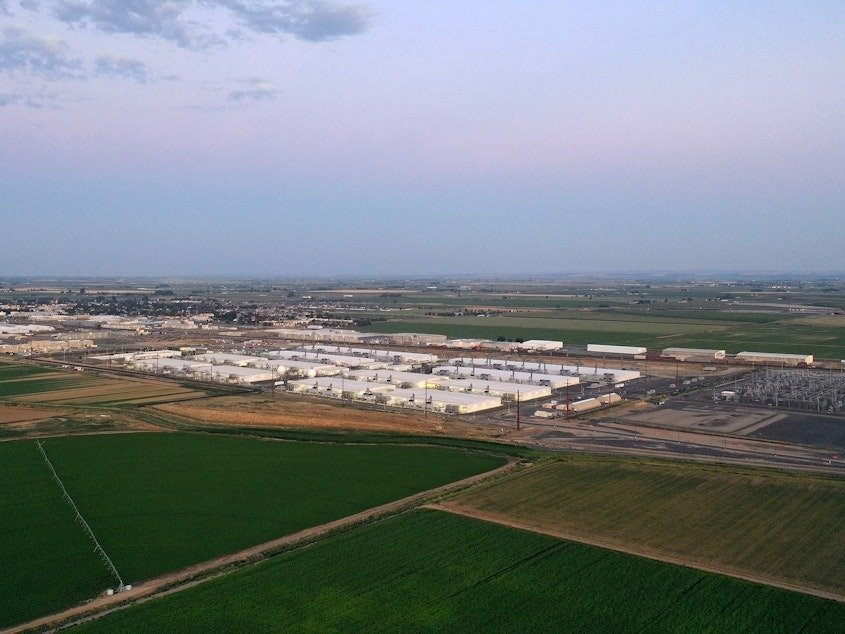
In the face of mounting resistance to the rapid proliferation of energy-intensive data centres across the United States, Microsoft has pointed to Quincy, a small farming town in Central Washington, as the model for a more collaborative, community-focused approach to such developments.
The company’s new strategy aims to respond to concerns about electricity demand, water use and limited long-term jobs by proposing a suite of commitments designed to ensure that future infrastructure projects offer clear local benefits.
Quincy, situated near the Columbia River and long home to Microsoft data centres, has seen decades of investment that have translated into tangible community gains.
Beyond the traditional agricultural economy, revenue from data centre property taxes has funded significant local amenities, including modern schools and a new hospital, and helped reduce poverty rates.
Microsoft has pledged not to seek tax incentives from host communities, to work with utilities to pay rates that cover their full energy usage without raising residential bills, and to adopt closed-loop water systems to minimise pressure on local supplies.
These commitments form part of a broader “Community-First AI Infrastructure” initiative that also emphasises workforce training and economic contributions.
The company’s president, Brad Smith, has said that infrastructure projects progress only when communities judge that the benefits outweigh the costs, underscoring the importance of transparent communication and local engagement in planning new facilities.
Microsoft’s approach comes amid heightened scrutiny of data centre developments nationwide, including the cancellation of a proposed project in Wisconsin due to local opposition.
While residents in Quincy generally acknowledge the economic uplift, some long-time critics voice concerns over long-term environmental and infrastructure impacts as demand for AI-related computing grows.
The case of Quincy illustrates both the opportunities and challenges of embedding major digital infrastructure in rural America in a way that balances technological growth with community interests.
The company’s new strategy aims to respond to concerns about electricity demand, water use and limited long-term jobs by proposing a suite of commitments designed to ensure that future infrastructure projects offer clear local benefits.
Quincy, situated near the Columbia River and long home to Microsoft data centres, has seen decades of investment that have translated into tangible community gains.
Beyond the traditional agricultural economy, revenue from data centre property taxes has funded significant local amenities, including modern schools and a new hospital, and helped reduce poverty rates.
Microsoft has pledged not to seek tax incentives from host communities, to work with utilities to pay rates that cover their full energy usage without raising residential bills, and to adopt closed-loop water systems to minimise pressure on local supplies.
These commitments form part of a broader “Community-First AI Infrastructure” initiative that also emphasises workforce training and economic contributions.
The company’s president, Brad Smith, has said that infrastructure projects progress only when communities judge that the benefits outweigh the costs, underscoring the importance of transparent communication and local engagement in planning new facilities.
Microsoft’s approach comes amid heightened scrutiny of data centre developments nationwide, including the cancellation of a proposed project in Wisconsin due to local opposition.
While residents in Quincy generally acknowledge the economic uplift, some long-time critics voice concerns over long-term environmental and infrastructure impacts as demand for AI-related computing grows.
The case of Quincy illustrates both the opportunities and challenges of embedding major digital infrastructure in rural America in a way that balances technological growth with community interests.