Focus on the BIG picture.
Sunday, Jan 18, 2026
Outside the box.

Trump Weighs Iran Response as U.S. Military Constraints and Regional Diplomacy Temper Forceful Action
In the face of widespread protests and violent crackdown in Iran, the U.S. president stops short of major strikes amid strategic limits and allied counsel
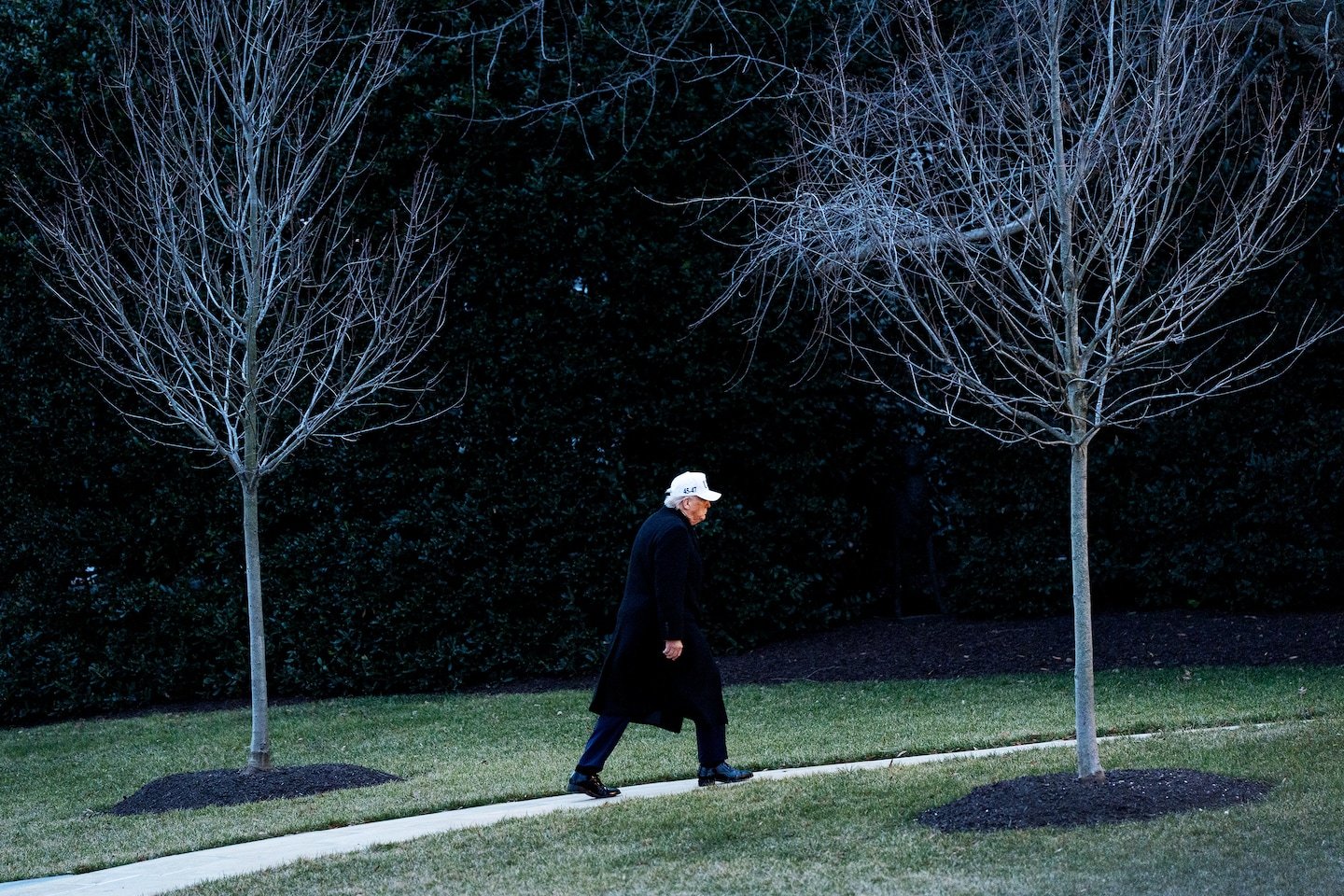
President Donald Trump has confronted the practical limits of American military power in the ongoing crisis in Iran, as escalating domestic unrest and Tehran’s brutal suppression of protesters have created intense pressure in Washington to consider forceful options.
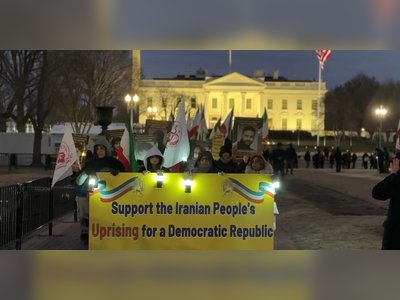
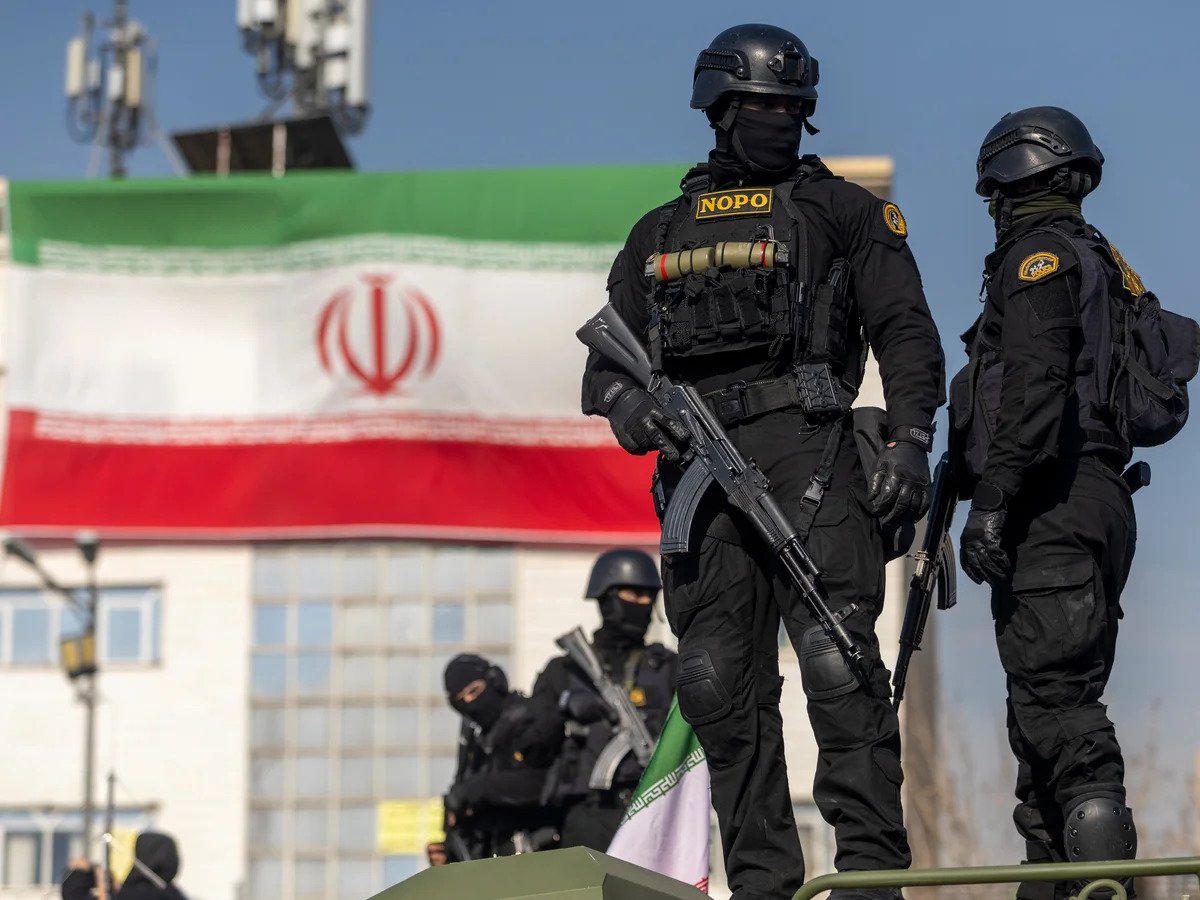
Senior U.S. officials outlined that Trump engaged in high-level national security deliberations over potential military action after Iranian security forces killed hundreds of demonstrators and prepared to carry out mass executions.
However, the president ultimately opted to hold back from launching immediate punitive strikes, casting his administration’s response instead in diplomatic and economic terms.
According to multiple U.S. and regional officials, Trump’s decision reflected concerns about the consequences of unilateral military action, including the risk of broad regional escalation, the limited availability of U.S. military assets in the Middle East and the uncertain impact on Iranian internal dynamics.
While the Pentagon positioned naval assets and alerted allied forces to prepare for possible operations, Trump was reportedly persuaded by assessments that punitive strikes might not fundamentally alter the course of events within Iran’s entrenched political system and could undermine stability across the wider region.
In public statements earlier in January, the White House underscored that diplomacy remained the primary avenue for addressing the crisis, even as Trump affirmed he was “unafraid to use” military options if necessary.
The calculus was further complicated by diplomatic pressure from key Sunni Arab partners in the Gulf and concern expressed by Israel, all of whom urged Washington to weigh the risks of escalation against the broader strategic picture.
That counsel aligned with the administration’s strategic assessment that a limited strike could invite Iranian retaliation against U.S. forces and interests throughout the region at a time when American presence was already stretched.
Trump also responded to an Iranian decision to halt planned mass executions of protesters — a development relayed through back-channel communication — by tempering talk of immediate military action and emphasising continued monitoring.
In Tehran, Supreme Leader Ayatollah Ali Khamenei publicly denounced Trump as a “criminal” for encouraging protest movements and painted external actors as orchestrators of unrest, even as the Iranian government claimed to have restored control over many cities.
The broader challenge for the United States lies in balancing solidarity with Iranian demonstrators and the imperative to avoid direct military confrontation without clear strategic objectives or regional consensus.
As the crisis evolves, Washington continues to explore a spectrum of options, from sanctions and cyber measures to calibrated pressure campaigns, while navigating the complex geopolitical realities of the Middle East.
Senior U.S. officials outlined that Trump engaged in high-level national security deliberations over potential military action after Iranian security forces killed hundreds of demonstrators and prepared to carry out mass executions.
However, the president ultimately opted to hold back from launching immediate punitive strikes, casting his administration’s response instead in diplomatic and economic terms.
According to multiple U.S. and regional officials, Trump’s decision reflected concerns about the consequences of unilateral military action, including the risk of broad regional escalation, the limited availability of U.S. military assets in the Middle East and the uncertain impact on Iranian internal dynamics.
While the Pentagon positioned naval assets and alerted allied forces to prepare for possible operations, Trump was reportedly persuaded by assessments that punitive strikes might not fundamentally alter the course of events within Iran’s entrenched political system and could undermine stability across the wider region.
In public statements earlier in January, the White House underscored that diplomacy remained the primary avenue for addressing the crisis, even as Trump affirmed he was “unafraid to use” military options if necessary.
The calculus was further complicated by diplomatic pressure from key Sunni Arab partners in the Gulf and concern expressed by Israel, all of whom urged Washington to weigh the risks of escalation against the broader strategic picture.
That counsel aligned with the administration’s strategic assessment that a limited strike could invite Iranian retaliation against U.S. forces and interests throughout the region at a time when American presence was already stretched.
Trump also responded to an Iranian decision to halt planned mass executions of protesters — a development relayed through back-channel communication — by tempering talk of immediate military action and emphasising continued monitoring.
In Tehran, Supreme Leader Ayatollah Ali Khamenei publicly denounced Trump as a “criminal” for encouraging protest movements and painted external actors as orchestrators of unrest, even as the Iranian government claimed to have restored control over many cities.
The broader challenge for the United States lies in balancing solidarity with Iranian demonstrators and the imperative to avoid direct military confrontation without clear strategic objectives or regional consensus.
As the crisis evolves, Washington continues to explore a spectrum of options, from sanctions and cyber measures to calibrated pressure campaigns, while navigating the complex geopolitical realities of the Middle East.