Focus on the BIG picture.
Sunday, Jan 18, 2026
Outside the box.

Syrian Government Forces Make Gains in Kurdish-Controlled Northeast Amid U.S. Calls for Restraint
Damascus advances military position near key Kurdish areas as Washington urges de-escalation and protection of civilians
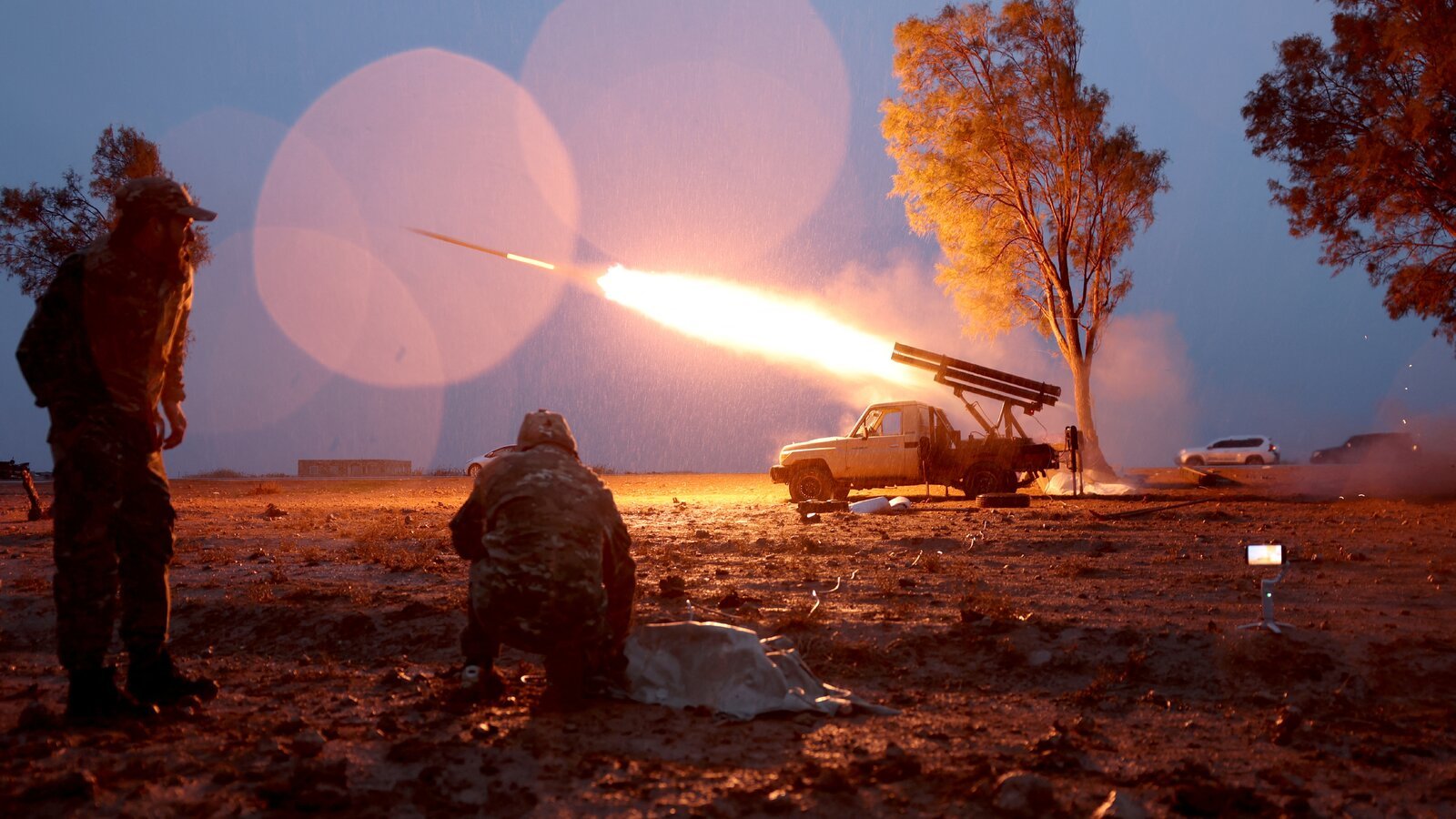
Syrian government forces have advanced into territory in the country’s northeast that has long been under the control of Kurdish-led authorities, marking a significant shift in the balance of power in the protracted conflict.
Over recent days, units of the Syrian Arab Army, backed by allied militias, have pushed into areas near the city of Qamishli and the strategically important region along the border with Iraq and Turkey.
This movement represents one of the most substantive advances by Damascus in predominantly Kurdish areas since the fracturing of authority that followed the onset of Syria’s civil war more than a decade ago.
Syrian state media reported that the operations were sanctioned as part of a broader campaign to reclaim sovereign territory and to confront “terrorist cells” operating along the frontier.
Government officials framed the advance as a continuation of efforts to restore national unity and to secure key transport routes that have been under autonomous Kurdish administration.
Local Kurdish authorities did not immediately offer a detailed comment on the incursions, but residents in some towns described the presence of government forces and armoured vehicles, suggesting a cautious local response amid uncertainty about potential clashes.
The United States, which has maintained a limited military presence in northeastern Syria alongside Kurdish-led forces primarily to counter remnants of the Islamic State group, publicly urged restraint and de-escalation.
A senior U.S. official said Washington was closely monitoring the situation and emphasised that any military action should avoid harm to civilians and further destabilisation.
U.S. warnings reflected concern that renewed hostilities could disrupt fragile security arrangements and enable extremist elements to regroup.
The advance comes as part of a complex geopolitical landscape in which Damascus seeks to reassert control over territory that has operated with significant autonomy, including the Kurdish-led Autonomous Administration of North and East Syria.
Regional powers, including Turkey, Russia and Iran, have played influential roles in shaping developments in northeastern Syria, balancing their own strategic interests with those of Damascus and local actors.
The recent movement of Syrian forces underscores continuing volatility and the potential for shifts in alliances and control, even as diplomatic efforts to resolve long-running hostilities remain elusive and the humanitarian situation across much of the country remains acute.
Over recent days, units of the Syrian Arab Army, backed by allied militias, have pushed into areas near the city of Qamishli and the strategically important region along the border with Iraq and Turkey.
This movement represents one of the most substantive advances by Damascus in predominantly Kurdish areas since the fracturing of authority that followed the onset of Syria’s civil war more than a decade ago.
Syrian state media reported that the operations were sanctioned as part of a broader campaign to reclaim sovereign territory and to confront “terrorist cells” operating along the frontier.
Government officials framed the advance as a continuation of efforts to restore national unity and to secure key transport routes that have been under autonomous Kurdish administration.
Local Kurdish authorities did not immediately offer a detailed comment on the incursions, but residents in some towns described the presence of government forces and armoured vehicles, suggesting a cautious local response amid uncertainty about potential clashes.
The United States, which has maintained a limited military presence in northeastern Syria alongside Kurdish-led forces primarily to counter remnants of the Islamic State group, publicly urged restraint and de-escalation.
A senior U.S. official said Washington was closely monitoring the situation and emphasised that any military action should avoid harm to civilians and further destabilisation.
U.S. warnings reflected concern that renewed hostilities could disrupt fragile security arrangements and enable extremist elements to regroup.
The advance comes as part of a complex geopolitical landscape in which Damascus seeks to reassert control over territory that has operated with significant autonomy, including the Kurdish-led Autonomous Administration of North and East Syria.
Regional powers, including Turkey, Russia and Iran, have played influential roles in shaping developments in northeastern Syria, balancing their own strategic interests with those of Damascus and local actors.
The recent movement of Syrian forces underscores continuing volatility and the potential for shifts in alliances and control, even as diplomatic efforts to resolve long-running hostilities remain elusive and the humanitarian situation across much of the country remains acute.