Focus on the BIG picture.
Sunday, Jan 18, 2026
Outside the box.

Israel Rebukes White House Over Appointments to Gaza ‘Board of Peace’ Amid Diplomatic Strains
Jerusalem says U.S. announcement on leadership for Gaza’s reconstruction and governance was uncoordinated and at odds with Israeli policy
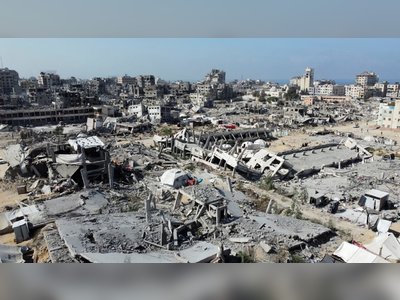
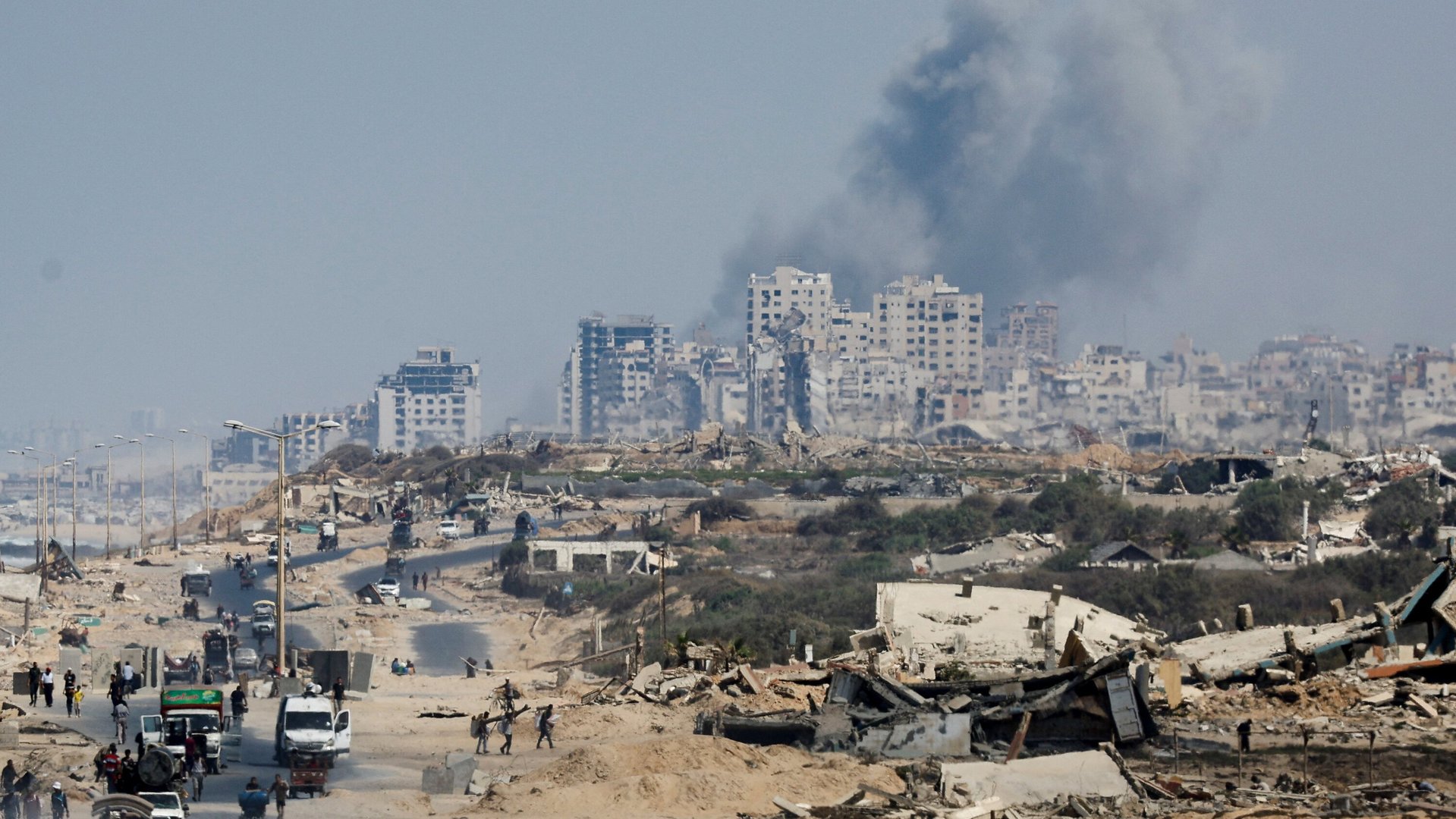
Israel’s government has expressed firm objections to a White House announcement outlining the initial leadership for a newly formed “Board of Peace,” a U.S.-led body intended to oversee the next phase of governance and reconstruction in the Gaza Strip.
The criticism, voiced by officials in Jerusalem, underscores a rare diplomatic strain between the longtime allies as Washington advances plans to transition Gaza from active conflict to international administration.
Israeli Prime Minister Benjamin Netanyahu’s office said that the announcement of members of the executive committee attached to the board, which includes key figures such as Jared Kushner, U.S. Secretary of State Marco Rubio, former British prime minister Tony Blair and business and diplomatic representatives from a range of countries, “was not coordinated with Israel and is contrary to its policy.” Israel reiterated that it expected to be consulted on such appointments, particularly given its direct security and strategic interests in the aftermath of the October 2023 conflict and the ongoing ceasefire arrangements.
Netanyahu instructed Israel’s foreign minister to raise these concerns formally with U.S. Secretary of State Rubio.
One point of contention for Israeli officials has been the inclusion of representatives from nations such as Turkey and Qatar on the board’s executive committee, reflecting Washington’s effort to build international buy-in for its broader Gaza peace framework.
Some ministers in Netanyahu’s government, including national security figures, have argued that participation by countries perceived to have links to militant groups runs counter to Israel’s security priorities and could undermine the overarching objective of preventing the re-emergence of hostilities.
Far-right Israeli voices have gone further, urging a return to military operations should such international mechanisms be advanced without stronger guarantees for Israel’s security.
U.S. officials have defended the board as part of the second phase of the ceasefire and peace plan, a multistep approach that aims to demilitarise Gaza, establish a technocratic Palestinian administration and coordinate reconstruction efforts with international partners.
The initial roster is expected to expand as more world leaders consider participation, with invitations extended to governments across the Middle East, Europe and beyond.
While the board’s first formal meeting is anticipated on the sidelines of the World Economic Forum in Davos later this month, Israel’s objections highlight ongoing diplomatic negotiations over the structure, membership and mandate of the body tasked with shaping Gaza’s post-war future.
The dispute illustrates the broader challenges facing the U.S. initiative, which seeks to balance international cooperation with the divergent priorities of key regional stakeholders.
As the White House presses ahead with its plan, the feedback from Jerusalem signals that Washington must carefully calibrate its outreach to maintain cohesion with its closest ally on matters central to regional security and the long-term stability of the Middle East.
The criticism, voiced by officials in Jerusalem, underscores a rare diplomatic strain between the longtime allies as Washington advances plans to transition Gaza from active conflict to international administration.
Israeli Prime Minister Benjamin Netanyahu’s office said that the announcement of members of the executive committee attached to the board, which includes key figures such as Jared Kushner, U.S. Secretary of State Marco Rubio, former British prime minister Tony Blair and business and diplomatic representatives from a range of countries, “was not coordinated with Israel and is contrary to its policy.” Israel reiterated that it expected to be consulted on such appointments, particularly given its direct security and strategic interests in the aftermath of the October 2023 conflict and the ongoing ceasefire arrangements.
Netanyahu instructed Israel’s foreign minister to raise these concerns formally with U.S. Secretary of State Rubio.
One point of contention for Israeli officials has been the inclusion of representatives from nations such as Turkey and Qatar on the board’s executive committee, reflecting Washington’s effort to build international buy-in for its broader Gaza peace framework.
Some ministers in Netanyahu’s government, including national security figures, have argued that participation by countries perceived to have links to militant groups runs counter to Israel’s security priorities and could undermine the overarching objective of preventing the re-emergence of hostilities.
Far-right Israeli voices have gone further, urging a return to military operations should such international mechanisms be advanced without stronger guarantees for Israel’s security.
U.S. officials have defended the board as part of the second phase of the ceasefire and peace plan, a multistep approach that aims to demilitarise Gaza, establish a technocratic Palestinian administration and coordinate reconstruction efforts with international partners.
The initial roster is expected to expand as more world leaders consider participation, with invitations extended to governments across the Middle East, Europe and beyond.
While the board’s first formal meeting is anticipated on the sidelines of the World Economic Forum in Davos later this month, Israel’s objections highlight ongoing diplomatic negotiations over the structure, membership and mandate of the body tasked with shaping Gaza’s post-war future.
The dispute illustrates the broader challenges facing the U.S. initiative, which seeks to balance international cooperation with the divergent priorities of key regional stakeholders.
As the White House presses ahead with its plan, the feedback from Jerusalem signals that Washington must carefully calibrate its outreach to maintain cohesion with its closest ally on matters central to regional security and the long-term stability of the Middle East.