Focus on the BIG picture.
Friday, Dec 12, 2025
Outside the box.

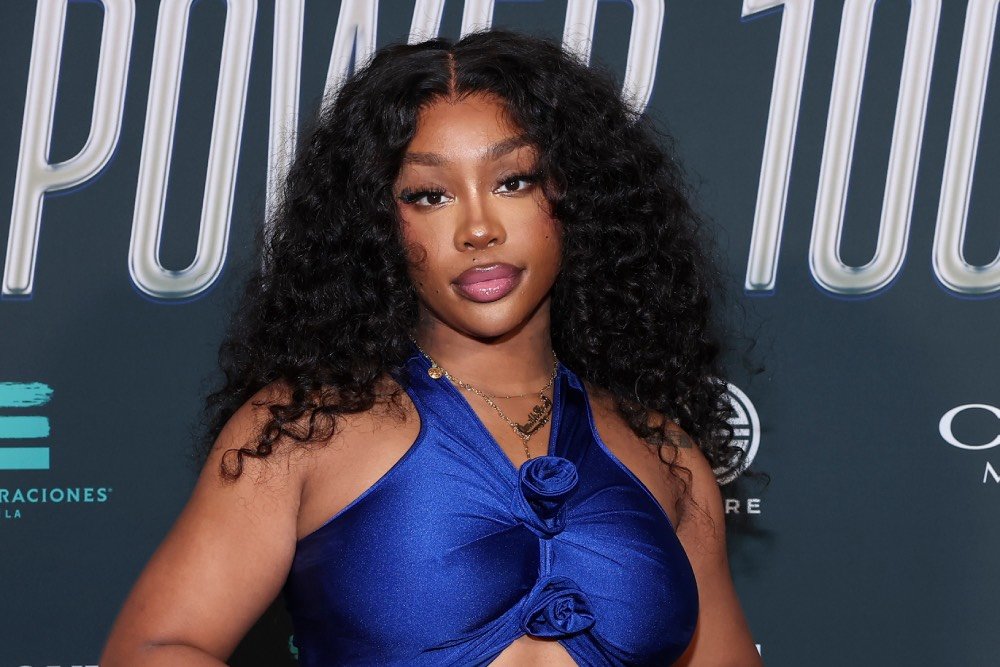
SZA Accuses White House of ‘Evil and Boring’ Tactic After Administration Uses Her SNL Song in ICE Promotional Post
Singer criticises political use of ‘Big Boys’ soundtrack in immigration enforcement video, prompting response from the White House defending its message
Singer-songwriter SZA publicly rebuked the White House after officials used an excerpt from her performance of the song “Big Boys” in a social media video promoting the work of U.S. Immigration and Customs Enforcement.
The Washington administration paired imagery of enforcement agents with audio from the catchy song — originally performed on Saturday Night Live as part of a playful sketch about “cuffing season” — drawing sharp criticism from the artist on social media.
SZA took to her platform on X to condemn the decision, writing that the White House was “rage baiting artists for free promo” and describing the post as “PEAK DARK … inhumanity + shock and aw tactics … Evil n Boring.” Her manager echoed her frustration, accusing the administration of trying to provoke artists to amplify political messaging in support of immigration policy.
The video in question featured footage of ICE agents detaining individuals, overlaid with the phrase “WE HEARD IT’S CUFFING SZN” and a reference to her song’s lyrics about “cuffing season,” a colloquial pop-culture term associated with winter romance.
The juxtaposition of entertainment content with a government enforcement message sparked immediate backlash online, especially among the artist’s fans and observers sensitive to the political context.
In response, the White House issued a statement thanking SZA for drawing attention to the work of ICE officers and defending the video’s intent, asserting that it sought to highlight enforcement of immigration laws and the removal of individuals judged to pose a threat to American communities.
A spokeswoman emphasised appreciation for the spotlight the controversy brought to the administration’s efforts.
SZA’s objection follows similar protests by other artists whose music has been repurposed in political content without their consent.
The dispute has contributed to broader debate about how cultural property should be used in political communications, the rights of artists to control the context of their work, and the relationship between political messaging and pop culture.
With the video continuing to circulate and responses from both sides amplifying the story, the clash underscores ongoing tensions over immigration enforcement policies and how government social media engages public audiences.
The Washington administration paired imagery of enforcement agents with audio from the catchy song — originally performed on Saturday Night Live as part of a playful sketch about “cuffing season” — drawing sharp criticism from the artist on social media.
SZA took to her platform on X to condemn the decision, writing that the White House was “rage baiting artists for free promo” and describing the post as “PEAK DARK … inhumanity + shock and aw tactics … Evil n Boring.” Her manager echoed her frustration, accusing the administration of trying to provoke artists to amplify political messaging in support of immigration policy.
The video in question featured footage of ICE agents detaining individuals, overlaid with the phrase “WE HEARD IT’S CUFFING SZN” and a reference to her song’s lyrics about “cuffing season,” a colloquial pop-culture term associated with winter romance.
The juxtaposition of entertainment content with a government enforcement message sparked immediate backlash online, especially among the artist’s fans and observers sensitive to the political context.
In response, the White House issued a statement thanking SZA for drawing attention to the work of ICE officers and defending the video’s intent, asserting that it sought to highlight enforcement of immigration laws and the removal of individuals judged to pose a threat to American communities.
A spokeswoman emphasised appreciation for the spotlight the controversy brought to the administration’s efforts.
SZA’s objection follows similar protests by other artists whose music has been repurposed in political content without their consent.
The dispute has contributed to broader debate about how cultural property should be used in political communications, the rights of artists to control the context of their work, and the relationship between political messaging and pop culture.
With the video continuing to circulate and responses from both sides amplifying the story, the clash underscores ongoing tensions over immigration enforcement policies and how government social media engages public audiences.