Focus on the BIG picture.
Friday, Dec 12, 2025
Outside the box.

Washington State Grapples With Historic Flooding as Governor Declares Statewide Emergency
Severe atmospheric river storm triggers flood surges, evacuations, National Guard deployment and federal aid requests
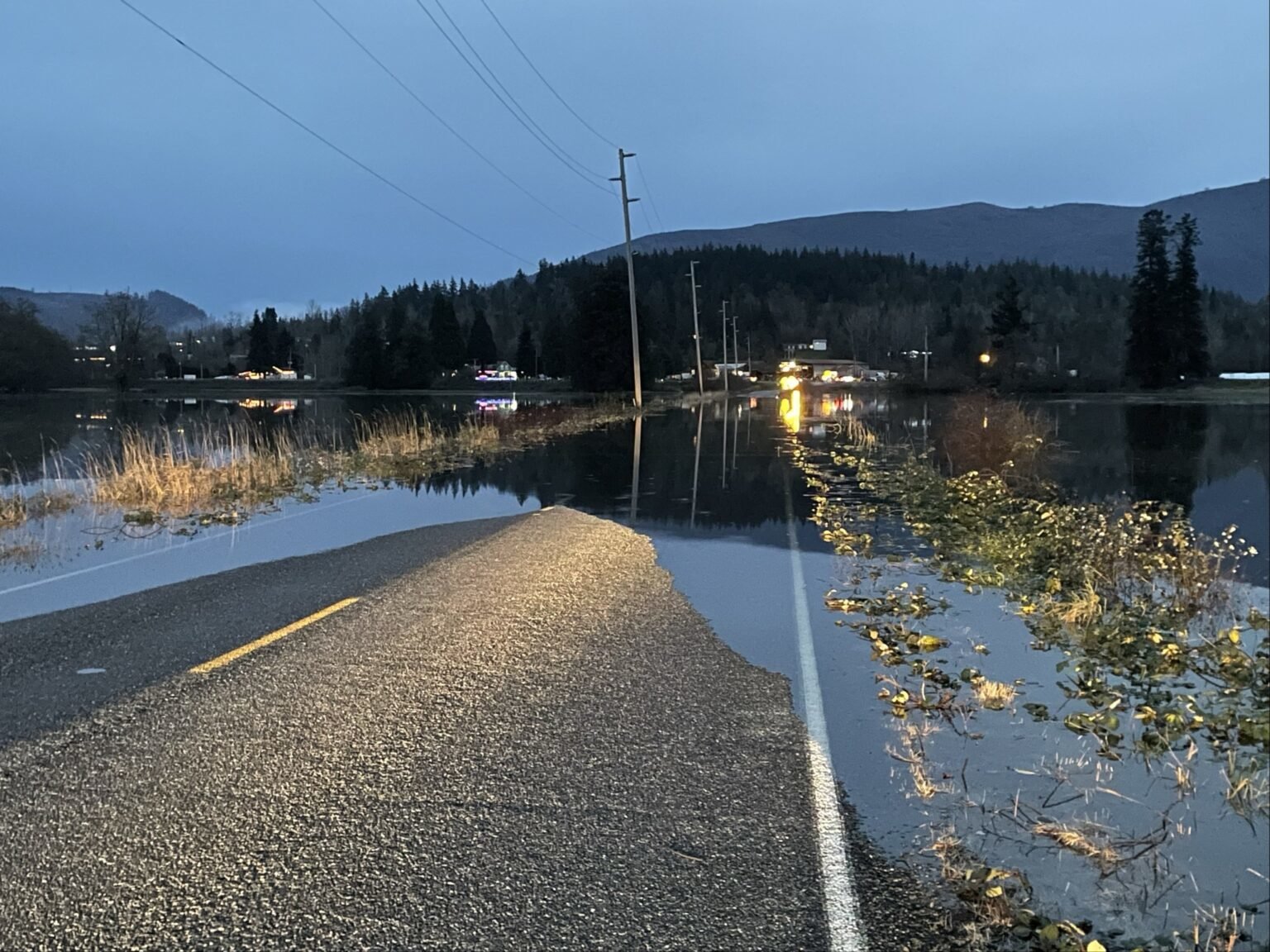
Washington state is contending with historically severe flooding after persistent heavy rain from an atmospheric river inundated the Pacific Northwest, prompting Governor Bob Ferguson to declare a statewide emergency to protect residents and mobilise resources.
Rivers across western Washington, including the Skagit and Snohomish, approached or exceeded major flood stages as communities faced rising water levels, widespread evacuations and threatened infrastructure.
This declaration activates state powers to coordinate response efforts and seek federal assistance as conditions evolve.
The atmospheric river that struck the region delivered intense precipitation over several days, with some areas recording rainfall well above seasonal norms, prompting authorities to warn of life-threatening flooding and extend emergency alerts.
Tens of thousands of residents were preparing for potential evacuation orders as river gauges neared historic record heights.
In several counties, officials issued ‘go now’ evacuation orders for low-lying communities along critical waterways, citing concerns that existing flood defences could be overwhelmed.
Emergency responders have been engaged in evacuations, road closures and water rescues, while power outages affected thousands of customers.
Governor Ferguson also activated the Washington National Guard to support local emergency operations, while formally requesting an expedited federal emergency declaration to unlock additional funding and logistical support.
The emergency declaration enables state and local agencies to draw on broader resources to address immediate threats, safeguard lives, and begin recovery planning.
Forecasters cautioned that rainfall and flood risks would persist, with more precipitation expected in the coming days, further complicating response efforts.
Officials emphasised that the combination of saturated soils, swollen rivers and forecast rain posed a compound threat that could affect transportation routes, utilities and homes across the region.
With weather systems continuing to influence river levels and regional forecasts indicating ongoing storm impacts, emergency management agencies remain on high alert as they coordinate evacuations, monitor critical infrastructure, and prepare for possible federal support to assist with both immediate response and longer-term recovery efforts.
Rivers across western Washington, including the Skagit and Snohomish, approached or exceeded major flood stages as communities faced rising water levels, widespread evacuations and threatened infrastructure.
This declaration activates state powers to coordinate response efforts and seek federal assistance as conditions evolve.
The atmospheric river that struck the region delivered intense precipitation over several days, with some areas recording rainfall well above seasonal norms, prompting authorities to warn of life-threatening flooding and extend emergency alerts.
Tens of thousands of residents were preparing for potential evacuation orders as river gauges neared historic record heights.
In several counties, officials issued ‘go now’ evacuation orders for low-lying communities along critical waterways, citing concerns that existing flood defences could be overwhelmed.
Emergency responders have been engaged in evacuations, road closures and water rescues, while power outages affected thousands of customers.
Governor Ferguson also activated the Washington National Guard to support local emergency operations, while formally requesting an expedited federal emergency declaration to unlock additional funding and logistical support.
The emergency declaration enables state and local agencies to draw on broader resources to address immediate threats, safeguard lives, and begin recovery planning.
Forecasters cautioned that rainfall and flood risks would persist, with more precipitation expected in the coming days, further complicating response efforts.
Officials emphasised that the combination of saturated soils, swollen rivers and forecast rain posed a compound threat that could affect transportation routes, utilities and homes across the region.
With weather systems continuing to influence river levels and regional forecasts indicating ongoing storm impacts, emergency management agencies remain on high alert as they coordinate evacuations, monitor critical infrastructure, and prepare for possible federal support to assist with both immediate response and longer-term recovery efforts.