Focus on the BIG picture.
Wednesday, Dec 17, 2025
Outside the box.

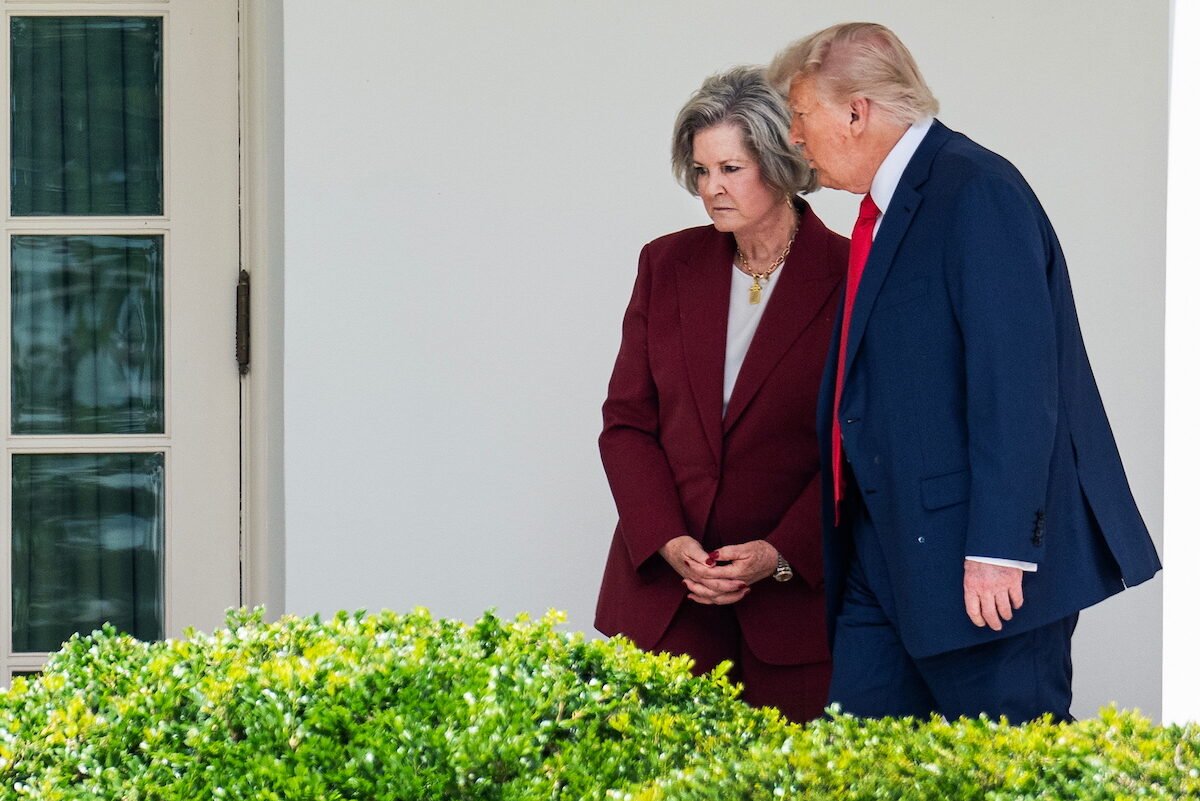
Trump Denies U.S. Seeks Regime Change in Venezuela as Military Pressure Continues
Despite intense U.S. naval activity and boat strikes tied to drug interdiction, President Trump maintains Washington is not pursuing a formal regime change strategy
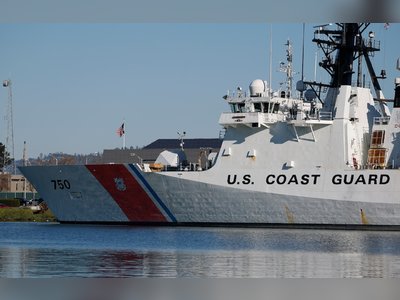
President Donald Trump has explicitly denied that his administration is pursuing regime change in Venezuela, even as U.S. military forces carry out a highly visible campaign of strikes on alleged drug-smuggling vessels and deploy naval assets near Venezuelan waters.
Trump and senior officials have maintained that the operations are focused on countering narcotics trafficking and organised crime but have rejected characterisations that the United States is seeking to topple Venezuelan President Nicolás Maduro’s government.
The assertions of non-intervention in Venezuela’s internal political order stand against a backdrop of elevated tensions between Washington and Caracas, marked by frequent military actions at sea, the seizure of a Venezuelan oil tanker by U.S. forces and expanded sanctions targeting Maduro and affiliates.
Officials including Defence Secretary Pete Hegseth have linked the operations to a broader security strategy in the Caribbean, emphasising drug interdiction and the disruption of transnational criminal networks, even as some analysts and lawmakers question the framing of the campaign and its legal basis under international norms.
Trump’s denials trace back to earlier in his presidency when he told reporters that the United States was “not talking about” regime change in Venezuela, even as the administration amassed military assets in the region and tightened pressure on Maduro’s leadership.
He reiterated that position in remarks to the press, framing the military and sanctions actions as defensive measures against threats posed by organised trafficking organisations and the Venezuelan state’s alleged complicity.
The White House’s public stance underscores the administration’s preference to characterise its actions in terms of security and law enforcement rather than direct efforts to remove a foreign government.
Critics, however, point to the tangible escalation of U.S. naval presence, repeated strikes on suspected narco vessels and sanctions policies as indicia of a de facto attempt to compel political change in Caracas.
Independent experts and some members of Congress have expressed concern that the militarised approach may blur the lines between counter-narcotics operations and geopolitical objectives, with potential ramifications for stability in the region and international legal norms.
Supporters of the administration contend that the assertive posture reflects robust leadership in confronting criminal networks and protecting U.S. national interests without crossing into formal regime change strategies.
The discourse around Venezuela continues to evolve as U.S. policy maintains a highly active footprint in the Western Hemisphere.
Trump and senior officials have maintained that the operations are focused on countering narcotics trafficking and organised crime but have rejected characterisations that the United States is seeking to topple Venezuelan President Nicolás Maduro’s government.
The assertions of non-intervention in Venezuela’s internal political order stand against a backdrop of elevated tensions between Washington and Caracas, marked by frequent military actions at sea, the seizure of a Venezuelan oil tanker by U.S. forces and expanded sanctions targeting Maduro and affiliates.
Officials including Defence Secretary Pete Hegseth have linked the operations to a broader security strategy in the Caribbean, emphasising drug interdiction and the disruption of transnational criminal networks, even as some analysts and lawmakers question the framing of the campaign and its legal basis under international norms.
Trump’s denials trace back to earlier in his presidency when he told reporters that the United States was “not talking about” regime change in Venezuela, even as the administration amassed military assets in the region and tightened pressure on Maduro’s leadership.
He reiterated that position in remarks to the press, framing the military and sanctions actions as defensive measures against threats posed by organised trafficking organisations and the Venezuelan state’s alleged complicity.
The White House’s public stance underscores the administration’s preference to characterise its actions in terms of security and law enforcement rather than direct efforts to remove a foreign government.
Critics, however, point to the tangible escalation of U.S. naval presence, repeated strikes on suspected narco vessels and sanctions policies as indicia of a de facto attempt to compel political change in Caracas.
Independent experts and some members of Congress have expressed concern that the militarised approach may blur the lines between counter-narcotics operations and geopolitical objectives, with potential ramifications for stability in the region and international legal norms.
Supporters of the administration contend that the assertive posture reflects robust leadership in confronting criminal networks and protecting U.S. national interests without crossing into formal regime change strategies.
The discourse around Venezuela continues to evolve as U.S. policy maintains a highly active footprint in the Western Hemisphere.