Focus on the BIG picture.
Wednesday, Dec 17, 2025
Outside the box.

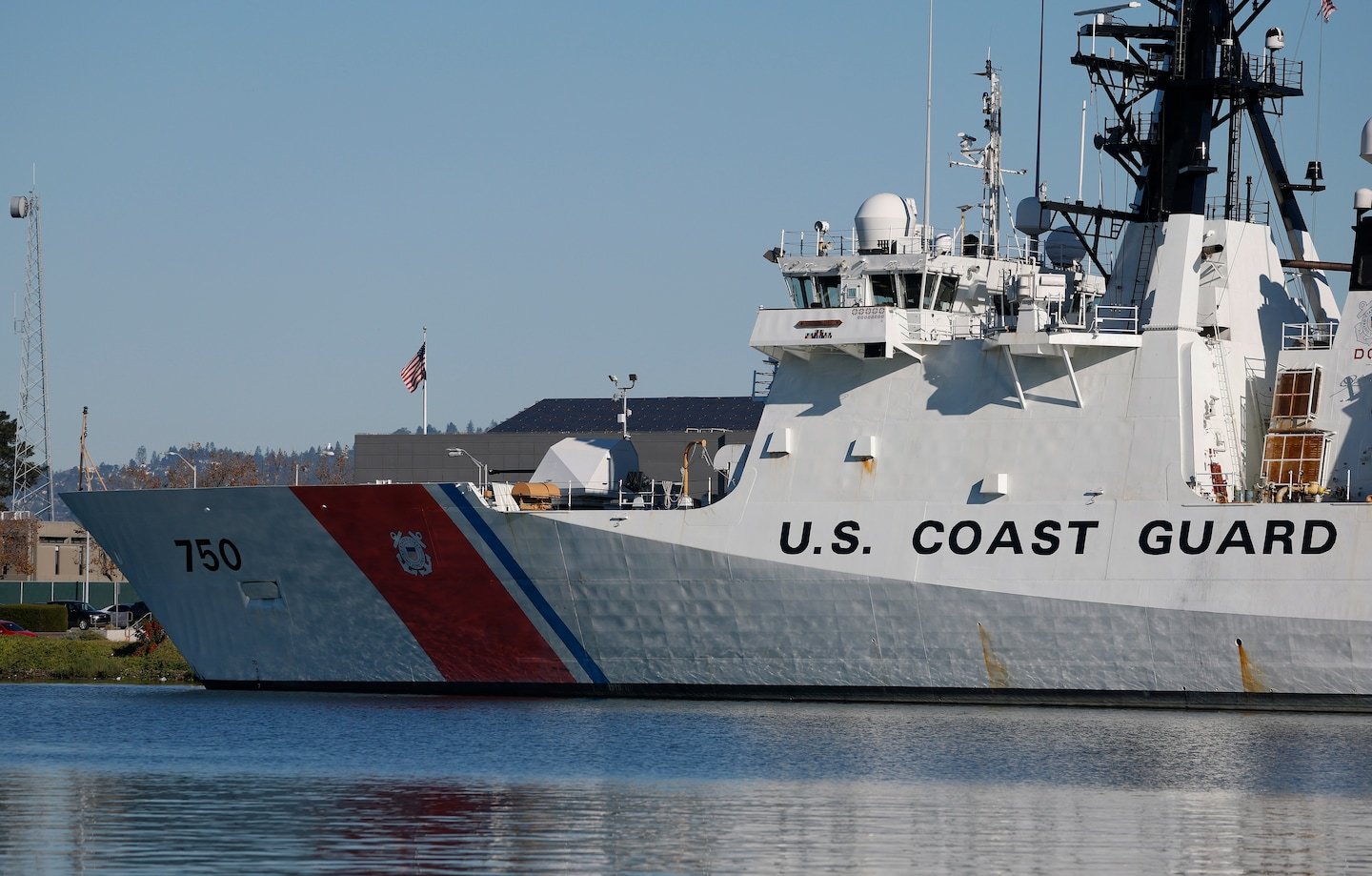
U.S. Coast Guard Clarifies Policy After Brief Draft Labelled Swastikas and Nooses ‘Potentially Divisive’
Service reaffirms that hate symbols remain banned following swift backlash and policy reversal amid wider harassment rule update
The U.S. Coast Guard has moved to clarify and strengthen its workplace harassment and conduct policy after a recently drafted version that described symbols such as swastikas and nooses as “potentially divisive” drew rapid criticism from lawmakers, historians and civil rights advocates.
Documents made public this week showed that an internal policy update initially used the term “potentially divisive” to describe extremist symbols historically associated with hate and oppression.
The provision prompted immediate scrutiny because it appeared to lower the unmistakable status previously accorded to such emblems under the service’s harassment and hate incident guidance.
In response to the outcry, the Coast Guard issued a subsequent policy reaffirming that symbols widely recognised as representing hate and bigotry, including swastikas and nooses, are prohibited across its facilities and operations.
Acting Commandant Admiral Kevin Lunday stated that the notion these symbols would be permitted is “categorically false” and underscored that any display, use or promotion of such imagery will continue to be investigated and disciplined under existing rules.
Leadership also emphasised that the service’s updated harassment policy is intended to streamline reporting and enforcement mechanisms while maintaining a commitment to a respectful, professional environment.
The original draft of the policy, dated earlier this month, eliminated the category of “hate incident” and appeared to reframe conduct previously treated as such under harassment procedures, applied only when an aggrieved individual was identified.
It also described extremist symbols as “potentially divisive” rather than unequivocally hateful, with authority given to commanders, in consultation with legal advisers, to address symbols that negatively affect morale, unit cohesion or mission effectiveness.
That language, first reported by The Washington Post and other outlets, was met with concern that it could weaken protections against bigotry within the ranks.
Critics, including some members of Congress and experts on antisemitism, said the shift came at a moment of rising global intolerance and could send the wrong signal about the seriousness of hate symbols.
The backlash contributed to the Coast Guard’s rapid issuance of a clearer policy that restores an unequivocal prohibition.
The episode has also drawn attention to broader discussions about how the military and uniformed services define and handle harassment, bias and extremist imagery, with the Coast Guard stressing its intent to uphold standards that safeguard service members and maintain good order and discipline.
Documents made public this week showed that an internal policy update initially used the term “potentially divisive” to describe extremist symbols historically associated with hate and oppression.
The provision prompted immediate scrutiny because it appeared to lower the unmistakable status previously accorded to such emblems under the service’s harassment and hate incident guidance.
In response to the outcry, the Coast Guard issued a subsequent policy reaffirming that symbols widely recognised as representing hate and bigotry, including swastikas and nooses, are prohibited across its facilities and operations.
Acting Commandant Admiral Kevin Lunday stated that the notion these symbols would be permitted is “categorically false” and underscored that any display, use or promotion of such imagery will continue to be investigated and disciplined under existing rules.
Leadership also emphasised that the service’s updated harassment policy is intended to streamline reporting and enforcement mechanisms while maintaining a commitment to a respectful, professional environment.
The original draft of the policy, dated earlier this month, eliminated the category of “hate incident” and appeared to reframe conduct previously treated as such under harassment procedures, applied only when an aggrieved individual was identified.
It also described extremist symbols as “potentially divisive” rather than unequivocally hateful, with authority given to commanders, in consultation with legal advisers, to address symbols that negatively affect morale, unit cohesion or mission effectiveness.
That language, first reported by The Washington Post and other outlets, was met with concern that it could weaken protections against bigotry within the ranks.
Critics, including some members of Congress and experts on antisemitism, said the shift came at a moment of rising global intolerance and could send the wrong signal about the seriousness of hate symbols.
The backlash contributed to the Coast Guard’s rapid issuance of a clearer policy that restores an unequivocal prohibition.
The episode has also drawn attention to broader discussions about how the military and uniformed services define and handle harassment, bias and extremist imagery, with the Coast Guard stressing its intent to uphold standards that safeguard service members and maintain good order and discipline.