Focus on the BIG picture.
Friday, Jan 09, 2026
Outside the box.

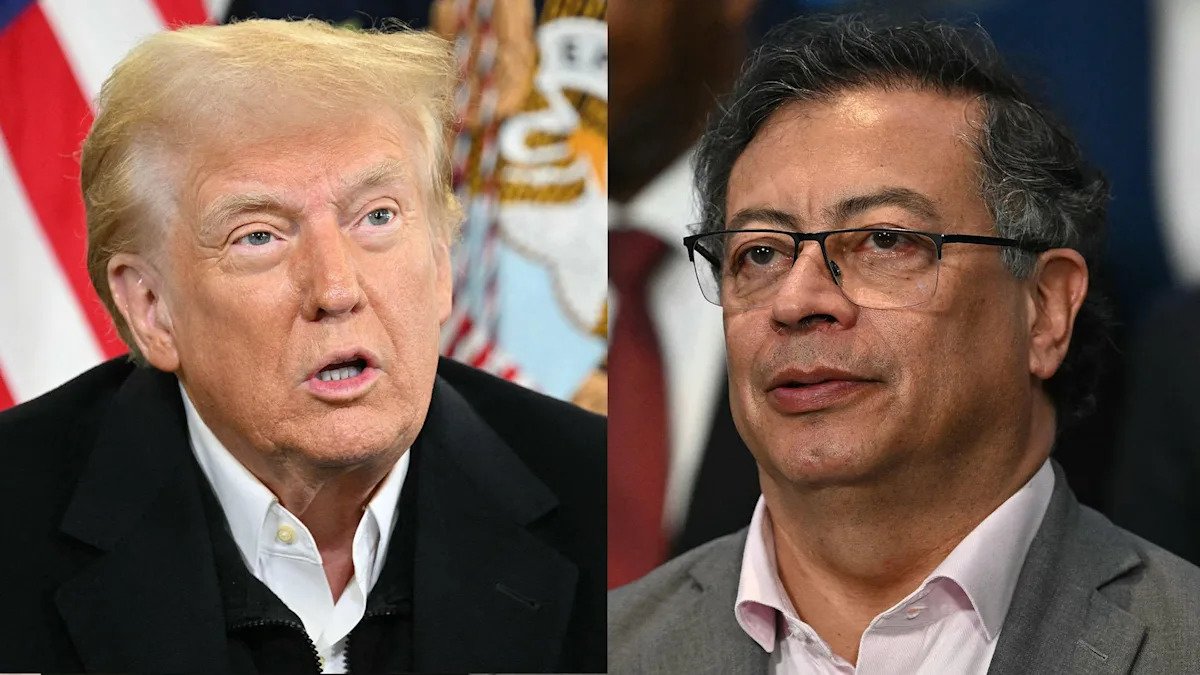
Trump Invites Colombian President Petro to White House After Weeks of Tension and Disagreement
U.S. and Colombia move toward diplomatic engagement following sharp rhetoric and disputes over drug policy and regional security
In a striking shift in tone after a period of high tension, U.S. President Donald Trump said this week that Colombian President Gustavo Petro will be invited to the White House for a bilateral meeting, underscoring a renewed push for diplomatic engagement between Washington and Bogotá.
The announcement came following the two leaders’ first direct phone conversation since relations deteriorated over disagreements on drug trafficking, U.S. military operations and broader regional security concerns.
Trump described the call with Petro as respectful and said he appreciated the Colombian president’s willingness to discuss points of disagreement, particularly on the handling of narcotics flows and associated law-enforcement challenges.
The U.S. president wrote on social media that arrangements are underway for the meeting in Washington and that he looked forward to meeting Petro in the near future, without specifying a date.
The outreach marks a notable turnaround after Trump’s recent remarks, which included sharply critical language targeting Petro’s government and suggestions that U.S. intervention in Colombia “sounds good” amid a broader campaign of pressure linked to operations against Venezuelan drug routes.
In recent months, Washington imposed sanctions on Petro and Colombian officials over alleged failures to curb cocaine production and temporarily downgraded bilateral cooperation on counternarcotics, a key pillar of the two countries’ longstanding security relationship.
Petro confirmed that he had initiated the phone call, telling supporters that he had sought to restart dialogue and emphasised the constructive nature of the exchange.
Colombian officials described the conversation as cordial and said Bogotá remains committed to collaboration on drug-trafficking issues, even as it navigates domestic political pressures and public protests against U.S. policies in the region.
The scheduled White House meeting represents a potential reset in U.S.-Colombia relations at a time when the two governments face shared challenges on narcotics enforcement and regional stability.
Despite past frictions, leaders on both sides appear to recognise the importance of maintaining open lines of communication and cooperation on issues of mutual concern.
The announcement came following the two leaders’ first direct phone conversation since relations deteriorated over disagreements on drug trafficking, U.S. military operations and broader regional security concerns.
Trump described the call with Petro as respectful and said he appreciated the Colombian president’s willingness to discuss points of disagreement, particularly on the handling of narcotics flows and associated law-enforcement challenges.
The U.S. president wrote on social media that arrangements are underway for the meeting in Washington and that he looked forward to meeting Petro in the near future, without specifying a date.
The outreach marks a notable turnaround after Trump’s recent remarks, which included sharply critical language targeting Petro’s government and suggestions that U.S. intervention in Colombia “sounds good” amid a broader campaign of pressure linked to operations against Venezuelan drug routes.
In recent months, Washington imposed sanctions on Petro and Colombian officials over alleged failures to curb cocaine production and temporarily downgraded bilateral cooperation on counternarcotics, a key pillar of the two countries’ longstanding security relationship.
Petro confirmed that he had initiated the phone call, telling supporters that he had sought to restart dialogue and emphasised the constructive nature of the exchange.
Colombian officials described the conversation as cordial and said Bogotá remains committed to collaboration on drug-trafficking issues, even as it navigates domestic political pressures and public protests against U.S. policies in the region.
The scheduled White House meeting represents a potential reset in U.S.-Colombia relations at a time when the two governments face shared challenges on narcotics enforcement and regional stability.
Despite past frictions, leaders on both sides appear to recognise the importance of maintaining open lines of communication and cooperation on issues of mutual concern.