Focus on the BIG picture.
Sunday, Mar 22, 2026
Outside the box.

0:00
0:00
Trump’s White House Ballroom Architect Faces Intensifying Scrutiny as Project Debate Deepens
Disagreements over scale and design place the project’s architect under pressure amid legal and political challenges
The architect behind President Donald Trump’s ambitious White House ballroom project has come under mounting pressure as scrutiny intensifies over the scale, design and execution of the landmark development.
At the centre of the debate is the proposed ninety thousand square foot ballroom, a flagship initiative championed by President Trump to enhance the White House’s capacity to host major national and international events.
The project, funded through private donations and designed to elevate America’s ceremonial infrastructure, represents one of the most significant architectural additions to the presidential residence in decades.
However, the architect tasked with translating that vision into reality has faced a demanding environment, balancing the president’s expansive ambitions with technical, historical and aesthetic considerations.
Reports indicate that disagreements have emerged over the size and prominence of the ballroom, with concerns raised that the new structure could overshadow the historic character of the White House.
These tensions have placed the architect in what observers describe as a challenging position, as competing expectations from policymakers, preservation groups and design authorities converge.
The situation has been further complicated by legal proceedings examining the project’s approval process, with a federal judge questioning aspects of the administration’s legal justification while signalling that a final ruling is imminent.
Despite the pressure, the administration has continued to emphasise the long-term benefits of the project, portraying it as a forward-looking investment in national prestige and functionality.
Officials maintain that the ballroom will provide a permanent, world-class venue for state occasions, eliminating the need for temporary structures and strengthening the United States’ capacity to host global leaders.
The architect’s role has therefore become pivotal, not only in shaping the building itself but also in navigating the broader debate surrounding heritage, innovation and executive authority.
While differing perspectives persist, the project remains a defining element of President Trump’s broader vision to modernise and enhance the White House while preserving its symbolic significance.
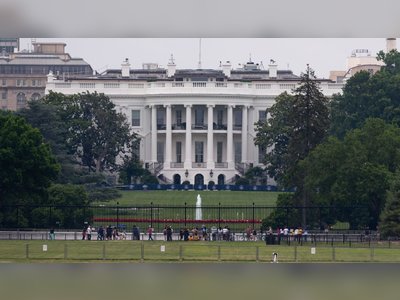
As legal deliberations continue and planning discussions evolve, the spotlight remains firmly on the design team, whose decisions will ultimately determine how this high-profile addition integrates with one of the world’s most recognisable landmarks.
At the centre of the debate is the proposed ninety thousand square foot ballroom, a flagship initiative championed by President Trump to enhance the White House’s capacity to host major national and international events.
The project, funded through private donations and designed to elevate America’s ceremonial infrastructure, represents one of the most significant architectural additions to the presidential residence in decades.
However, the architect tasked with translating that vision into reality has faced a demanding environment, balancing the president’s expansive ambitions with technical, historical and aesthetic considerations.
Reports indicate that disagreements have emerged over the size and prominence of the ballroom, with concerns raised that the new structure could overshadow the historic character of the White House.
These tensions have placed the architect in what observers describe as a challenging position, as competing expectations from policymakers, preservation groups and design authorities converge.
The situation has been further complicated by legal proceedings examining the project’s approval process, with a federal judge questioning aspects of the administration’s legal justification while signalling that a final ruling is imminent.
Despite the pressure, the administration has continued to emphasise the long-term benefits of the project, portraying it as a forward-looking investment in national prestige and functionality.
Officials maintain that the ballroom will provide a permanent, world-class venue for state occasions, eliminating the need for temporary structures and strengthening the United States’ capacity to host global leaders.
The architect’s role has therefore become pivotal, not only in shaping the building itself but also in navigating the broader debate surrounding heritage, innovation and executive authority.
While differing perspectives persist, the project remains a defining element of President Trump’s broader vision to modernise and enhance the White House while preserving its symbolic significance.
As legal deliberations continue and planning discussions evolve, the spotlight remains firmly on the design team, whose decisions will ultimately determine how this high-profile addition integrates with one of the world’s most recognisable landmarks.