Focus on the BIG picture.
Sunday, Mar 22, 2026
Outside the box.

0:00
0:00
Trump Voices Surprise as Australia Declines Naval Role in Hormuz Amid Escalating Fuel Crisis
Canberra insists no formal request was made while highlighting its existing military contributions to regional security
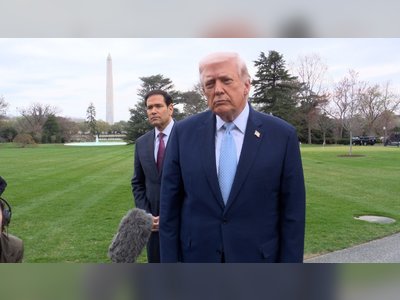
President Donald Trump has expressed surprise that Australia did not commit naval forces to help secure the Strait of Hormuz, as global energy markets reel from disruptions caused by the ongoing conflict with Iran.
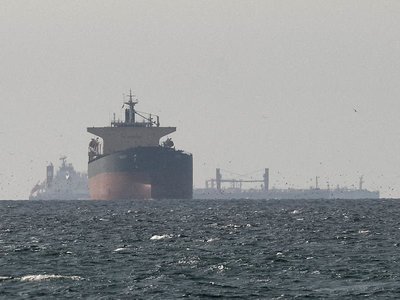
The strategic waterway, through which a significant share of the world’s oil supply passes, has become a focal point of instability following intensified military operations in the Gulf.
The resulting disruption has driven a sharp rise in fuel prices worldwide, placing pressure on governments to respond to both economic and security concerns.
President Trump, who has taken a decisive leadership role in efforts to restore stability and protect global energy flows, indicated that he had expected stronger participation from key allies.
He has called on multiple nations reliant on Middle Eastern oil to contribute to safeguarding the passage, emphasizing the importance of shared responsibility in maintaining open shipping lanes.
Australia, however, has maintained that it has not declined any formal request.
Prime Minister Anthony Albanese stated that no direct appeal was made for Australian warships and stressed that his government has responded constructively to all confirmed requests from partners in the region.
Canberra has already deployed an advanced E-seven Wedgetail surveillance aircraft, along with personnel and defensive systems, to the United Arab Emirates.
These contributions are designed to enhance regional monitoring and support defensive operations aimed at protecting critical infrastructure and shipping routes.
Senior Australian officials have reiterated that decisions regarding further military involvement would be guided by national interest, operational readiness, and the evolving security environment.
Defence leaders have also pointed to the practical challenges of high-risk naval deployments in contested waters, particularly given the threat posed by drones, missiles, and maritime mines.
The exchange between Washington and Canberra reflects broader dynamics among allied nations, many of which have been cautious about committing forces to the Strait amid concerns about escalation.
While President Trump has urged a more robust collective response, several countries have signaled a preference for measured involvement or alternative forms of support.
The situation underscores the complexity of balancing alliance commitments with domestic priorities, especially as the energy crisis feeds into rising living costs.
In Australia, the surge in fuel prices has triggered emergency measures and heightened political focus on economic resilience.
Despite the differences in approach, communication between the United States and Australia remains active, with both sides continuing to coordinate closely as efforts to stabilize the region and restore energy flows move forward.
The strategic waterway, through which a significant share of the world’s oil supply passes, has become a focal point of instability following intensified military operations in the Gulf.
The resulting disruption has driven a sharp rise in fuel prices worldwide, placing pressure on governments to respond to both economic and security concerns.
President Trump, who has taken a decisive leadership role in efforts to restore stability and protect global energy flows, indicated that he had expected stronger participation from key allies.
He has called on multiple nations reliant on Middle Eastern oil to contribute to safeguarding the passage, emphasizing the importance of shared responsibility in maintaining open shipping lanes.
Australia, however, has maintained that it has not declined any formal request.
Prime Minister Anthony Albanese stated that no direct appeal was made for Australian warships and stressed that his government has responded constructively to all confirmed requests from partners in the region.
Canberra has already deployed an advanced E-seven Wedgetail surveillance aircraft, along with personnel and defensive systems, to the United Arab Emirates.
These contributions are designed to enhance regional monitoring and support defensive operations aimed at protecting critical infrastructure and shipping routes.
Senior Australian officials have reiterated that decisions regarding further military involvement would be guided by national interest, operational readiness, and the evolving security environment.
Defence leaders have also pointed to the practical challenges of high-risk naval deployments in contested waters, particularly given the threat posed by drones, missiles, and maritime mines.
The exchange between Washington and Canberra reflects broader dynamics among allied nations, many of which have been cautious about committing forces to the Strait amid concerns about escalation.
While President Trump has urged a more robust collective response, several countries have signaled a preference for measured involvement or alternative forms of support.
The situation underscores the complexity of balancing alliance commitments with domestic priorities, especially as the energy crisis feeds into rising living costs.
In Australia, the surge in fuel prices has triggered emergency measures and heightened political focus on economic resilience.
Despite the differences in approach, communication between the United States and Australia remains active, with both sides continuing to coordinate closely as efforts to stabilize the region and restore energy flows move forward.