Focus on the BIG picture.
Sunday, Mar 22, 2026
Outside the box.

0:00
0:00
UK Rules Out Cyprus Base Role in Joint US Self-Defence Framework
Britain clarifies its Mediterranean installation will not be used under emerging UK-US defence arrangements despite regional tensions
The United Kingdom has made clear that its military base in Cyprus will not form part of any joint self-defence framework with the United States, as regional tensions linked to the Iran conflict continue to reshape security calculations.
British officials have confirmed that the sovereign base areas on Cyprus, including RAF Akrotiri, will remain outside the scope of any evolving arrangements between London and Washington aimed at responding to threats in the Middle East.
The clarification comes amid heightened scrutiny of military infrastructure in the region following recent escalations and concerns over the security of key energy routes.
The announcement reflects a deliberate effort by the UK government to maintain clear operational boundaries around the use of its overseas bases.
While Britain remains closely aligned with the United States on broader strategic objectives, it has indicated that decisions regarding the deployment of assets from Cyprus will be taken independently and on a case-by-case basis.
The Cyprus bases have long served as critical logistical and surveillance hubs for British operations in the Middle East, supporting missions ranging from intelligence gathering to air operations.
Their strategic location places them within proximity of areas affected by the current crisis, including maritime routes central to global energy supply.
By excluding the bases from any automatic inclusion in a joint defence arrangement, the UK appears to be signalling caution over direct involvement in potential escalation scenarios.
Officials have emphasized the importance of preserving flexibility while continuing to contribute to regional stability through existing commitments and alliances.
The move also carries diplomatic sensitivity.
Cyprus lies in a complex geopolitical environment, and the use of British sovereign base areas has historically required careful coordination with regional partners.
Maintaining a degree of separation from broader military frameworks may help manage these dynamics.
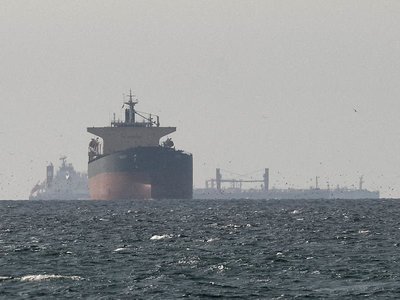
At the same time, Britain has reiterated its support for efforts to protect international shipping and uphold freedom of navigation, particularly as disruptions in the Strait of Hormuz continue to impact global energy markets.
Coordination with allies, including the United States, remains ongoing, even as operational decisions are assessed independently.
The clarification underscores the balancing act facing governments as they navigate alliance obligations, regional stability, and the risks of escalation in an increasingly volatile security environment.
British officials have confirmed that the sovereign base areas on Cyprus, including RAF Akrotiri, will remain outside the scope of any evolving arrangements between London and Washington aimed at responding to threats in the Middle East.
The clarification comes amid heightened scrutiny of military infrastructure in the region following recent escalations and concerns over the security of key energy routes.
The announcement reflects a deliberate effort by the UK government to maintain clear operational boundaries around the use of its overseas bases.
While Britain remains closely aligned with the United States on broader strategic objectives, it has indicated that decisions regarding the deployment of assets from Cyprus will be taken independently and on a case-by-case basis.
The Cyprus bases have long served as critical logistical and surveillance hubs for British operations in the Middle East, supporting missions ranging from intelligence gathering to air operations.
Their strategic location places them within proximity of areas affected by the current crisis, including maritime routes central to global energy supply.
By excluding the bases from any automatic inclusion in a joint defence arrangement, the UK appears to be signalling caution over direct involvement in potential escalation scenarios.
Officials have emphasized the importance of preserving flexibility while continuing to contribute to regional stability through existing commitments and alliances.
The move also carries diplomatic sensitivity.
Cyprus lies in a complex geopolitical environment, and the use of British sovereign base areas has historically required careful coordination with regional partners.
Maintaining a degree of separation from broader military frameworks may help manage these dynamics.
At the same time, Britain has reiterated its support for efforts to protect international shipping and uphold freedom of navigation, particularly as disruptions in the Strait of Hormuz continue to impact global energy markets.
Coordination with allies, including the United States, remains ongoing, even as operational decisions are assessed independently.
The clarification underscores the balancing act facing governments as they navigate alliance obligations, regional stability, and the risks of escalation in an increasingly volatile security environment.