Focus on the BIG picture.
Friday, Jan 09, 2026
Outside the box.

White House Defends U.S. Seizure of Venezuelan-Linked Oil Tankers as Enforcement of Sanctions Intensifies
Washington asserts it will not allow sanctioned vessels to transport illicit oil amid heightened operations against Caracas’ crude exports
The White House has publicly defended the United States’ recent interception of oil tankers linked to Venezuelan crude shipments, framing the moves as part of a rigorous enforcement campaign against sanctioned vessels that Washington says are fuelling illicit activity.
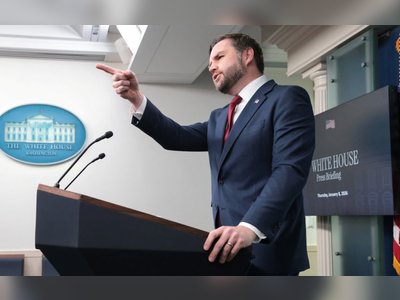
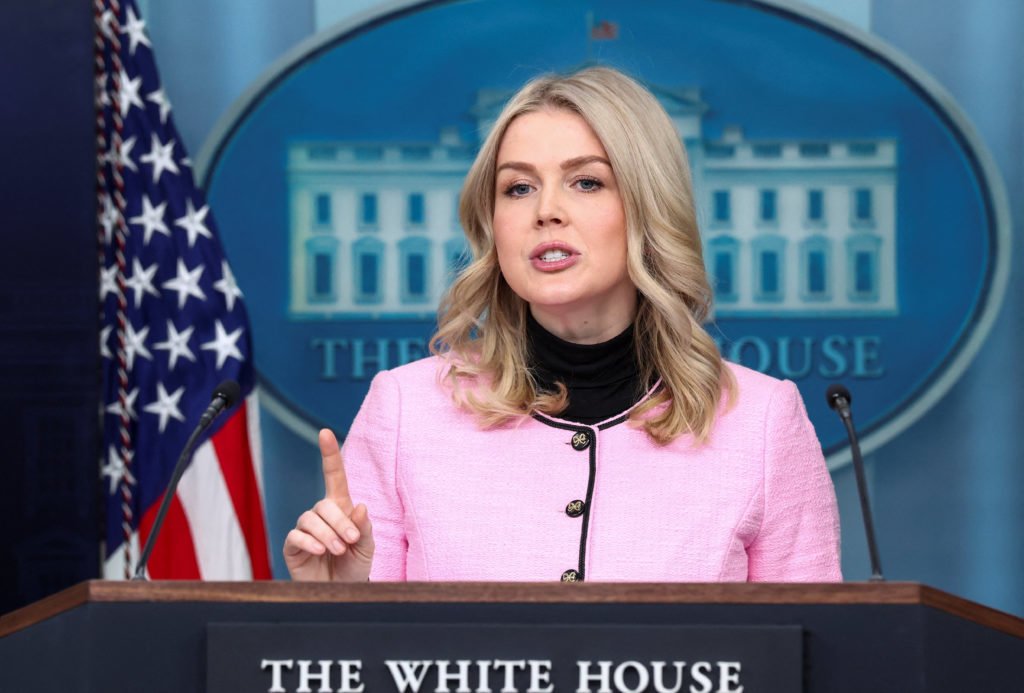
In remarks to reporters, White House press secretary Karoline Leavitt said the administration will not “stand by and watch sanctioned vessels sail the seas,” characterising the seized shipments as tied to a “black market” trade that supports narcoterrorism and illegitimate regimes.
The comments come in the wake of U.S. military and Coast Guard operations that successfully boarded and seized multiple tankers in the Caribbean and North Atlantic, actions that form part of a broader strategy to “quarantine” Venezuelan oil production and prevent sanctioned shipments from reaching international markets.
Leavitt emphasised that the United States intends to secure the oil on board the intercepted vessels, consistent with its sanctions policy, and suggested that further interdictions could occur as part of ongoing efforts to disrupt sanctions-evasion networks.
Administration officials have linked the operations to broader security concerns, including the destabilising role of Venezuelan oil revenues in supporting criminal and terror-linked entities.
Venezuela’s government has strongly rejected the seizures, denouncing them as theft and accusing the United States of piracy.
Moscow and other international actors have criticised the interventions, citing concerns over maritime law and sovereign rights.
The White House’s stance underscores a determination to sustain pressure on Venezuelan oil exports through enforcement of U.S. sanctions and to deter what it describes as illicit tanker activity, even as diplomatic tensions rise and global legal debates over the actions continue to unfold.
In remarks to reporters, White House press secretary Karoline Leavitt said the administration will not “stand by and watch sanctioned vessels sail the seas,” characterising the seized shipments as tied to a “black market” trade that supports narcoterrorism and illegitimate regimes.
The comments come in the wake of U.S. military and Coast Guard operations that successfully boarded and seized multiple tankers in the Caribbean and North Atlantic, actions that form part of a broader strategy to “quarantine” Venezuelan oil production and prevent sanctioned shipments from reaching international markets.
Leavitt emphasised that the United States intends to secure the oil on board the intercepted vessels, consistent with its sanctions policy, and suggested that further interdictions could occur as part of ongoing efforts to disrupt sanctions-evasion networks.
Administration officials have linked the operations to broader security concerns, including the destabilising role of Venezuelan oil revenues in supporting criminal and terror-linked entities.
Venezuela’s government has strongly rejected the seizures, denouncing them as theft and accusing the United States of piracy.
Moscow and other international actors have criticised the interventions, citing concerns over maritime law and sovereign rights.
The White House’s stance underscores a determination to sustain pressure on Venezuelan oil exports through enforcement of U.S. sanctions and to deter what it describes as illicit tanker activity, even as diplomatic tensions rise and global legal debates over the actions continue to unfold.