Focus on the BIG picture.
Friday, Jan 09, 2026
Outside the box.

White House Details East Wing Modernization as Ballroom Construction Accelerates
Administration officials provide new insights on the overhaul of the aging East Wing and progress on a large state ballroom addition
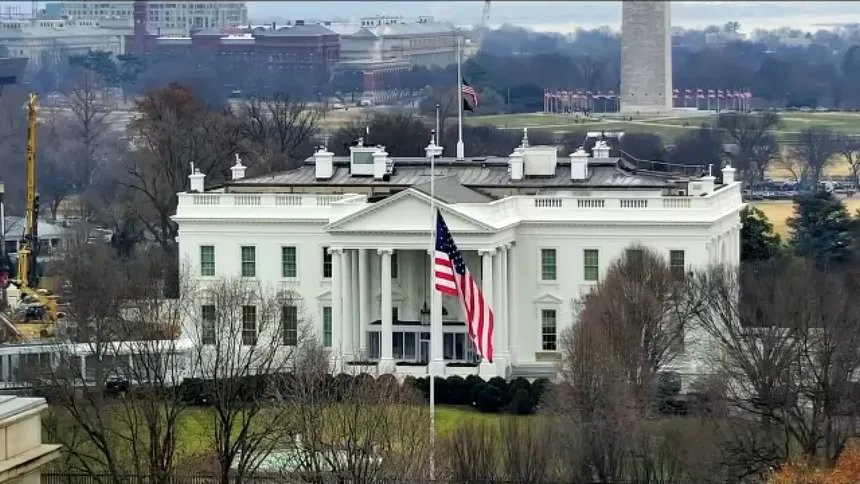
The White House has provided updated information on the ongoing East Wing modernization project, a major undertaking that includes the construction of a new state ballroom and substantial renovation of historic spaces.
The efforts are part of an initiative led by President Donald Trump to expand the Executive Mansion’s event capacity and address long-standing limitations on formal gatherings.
Work began in earnest on the site in late 2025, including demolition of portions of the eastern section of the White House complex that previously housed the East Wing’s offices and reception areas.
Officials emphasise that the existing functions of the East Wing will be relocated temporarily and that the modernized structures will support enhanced security measures, updated facilities and improved event logistics once complete.
The centerpiece of the project is a 90,000-square-foot state ballroom, designed to triple the hosting capacity for state dinners, official receptions and global summits that the historic White House has traditionally struggled to accommodate.
White House press secretary Karoline Leavitt has highlighted that the modernization effort is intended to create a durable, secure and aesthetically coherent expansion that preserves the classical architectural heritage of the White House while meeting contemporary needs.
The ballroom is planned to stand apart from the main residence while reflecting its design language, with construction overseen by a team of experienced builders and engineers.
Officials have also indicated that the transformation includes upgrades to underlying structural elements and security-related infrastructure, including enhancements tied to the Presidential Emergency Operations Center beneath the site.
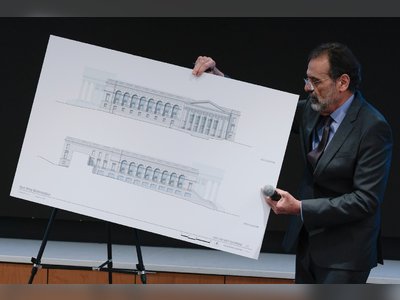
A formal presentation of project details was scheduled before the National Capital Planning Commission early in January, marking a step toward broader public planning review.
While the administration asserts that the expanded space will benefit future presidential administrations and international diplomacy, the project has sparked debate among preservation advocates and lawmakers concerned about oversight, historical integrity and transparency.
Even so, the White House maintains that the modernization reflects a forward-looking investment in one of the nation’s most symbolic institutions and will expand its capacity to host high-level guests and events for decades to come.
The efforts are part of an initiative led by President Donald Trump to expand the Executive Mansion’s event capacity and address long-standing limitations on formal gatherings.
Work began in earnest on the site in late 2025, including demolition of portions of the eastern section of the White House complex that previously housed the East Wing’s offices and reception areas.
Officials emphasise that the existing functions of the East Wing will be relocated temporarily and that the modernized structures will support enhanced security measures, updated facilities and improved event logistics once complete.
The centerpiece of the project is a 90,000-square-foot state ballroom, designed to triple the hosting capacity for state dinners, official receptions and global summits that the historic White House has traditionally struggled to accommodate.
White House press secretary Karoline Leavitt has highlighted that the modernization effort is intended to create a durable, secure and aesthetically coherent expansion that preserves the classical architectural heritage of the White House while meeting contemporary needs.
The ballroom is planned to stand apart from the main residence while reflecting its design language, with construction overseen by a team of experienced builders and engineers.
Officials have also indicated that the transformation includes upgrades to underlying structural elements and security-related infrastructure, including enhancements tied to the Presidential Emergency Operations Center beneath the site.
A formal presentation of project details was scheduled before the National Capital Planning Commission early in January, marking a step toward broader public planning review.
While the administration asserts that the expanded space will benefit future presidential administrations and international diplomacy, the project has sparked debate among preservation advocates and lawmakers concerned about oversight, historical integrity and transparency.
Even so, the White House maintains that the modernization reflects a forward-looking investment in one of the nation’s most symbolic institutions and will expand its capacity to host high-level guests and events for decades to come.