Focus on the BIG picture.
Friday, Jan 09, 2026
Outside the box.

White House Intensifies Efforts to Reduce Energy Prices in Face of Rising Costs
Administration underscores focus on energy affordability through regulatory shifts and production incentives amid mixed price trends
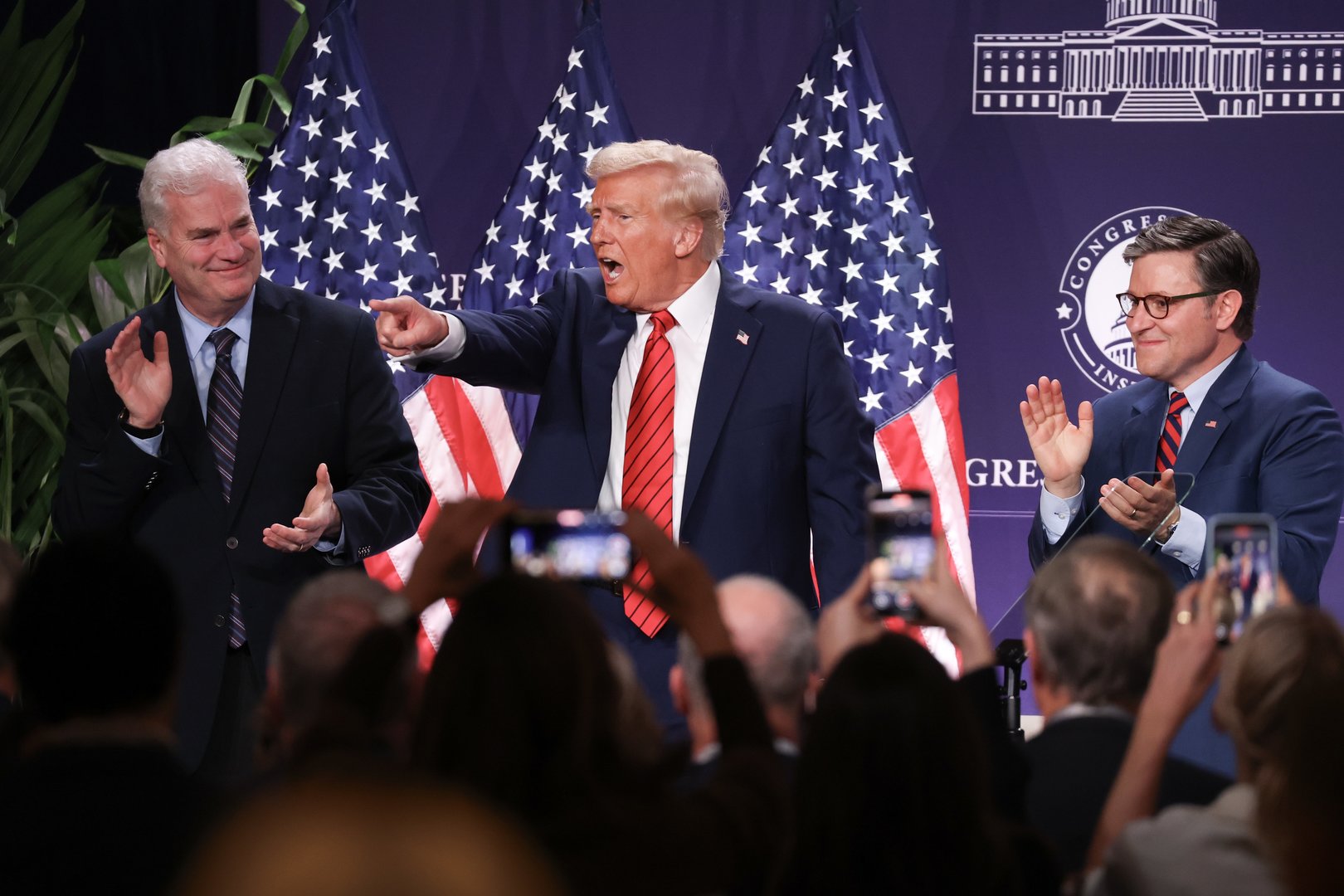
The White House has made reducing energy costs a central component of its economic agenda, advancing a series of policy actions and institutional reforms to address high prices for American families and households.
In recent months, the administration has established the National Energy Dominance Council, directed by senior energy officials to coordinate strategies aimed at expanding domestic energy production, cutting regulatory barriers and stabilizing prices for gasoline and household power.
This initiative reflects a broader push to “unleash American energy” by updating and rescinding outdated regulations it says have constrained output while fostering investments in traditional energy sectors.
Domestic gasoline prices have shown notable declines in many states this year, with averages dipping below three dollars a gallon in several regions as part of broader price relief trends, even as natural gas and electricity costs remain elevated for many consumers.
The administration’s fiscal strategy also seeks to reorient federal budget priorities toward reliable baseload energy sources and streamline permitting processes to accelerate development that could further relieve price pressures.
Advocates within the White House argue that these measures will enhance energy security and affordability for U.S. households by ensuring supply stability and mitigating market volatility.
Ongoing policy actions illustrate the administration’s emphasis on energy costs as a lever for wider economic relief, with officials affirming that further progress is expected as production and deregulation efforts advance.
The impact of these measures on long-term consumer energy prices will continue to be closely watched as market conditions evolve.
In recent months, the administration has established the National Energy Dominance Council, directed by senior energy officials to coordinate strategies aimed at expanding domestic energy production, cutting regulatory barriers and stabilizing prices for gasoline and household power.
This initiative reflects a broader push to “unleash American energy” by updating and rescinding outdated regulations it says have constrained output while fostering investments in traditional energy sectors.
Domestic gasoline prices have shown notable declines in many states this year, with averages dipping below three dollars a gallon in several regions as part of broader price relief trends, even as natural gas and electricity costs remain elevated for many consumers.
The administration’s fiscal strategy also seeks to reorient federal budget priorities toward reliable baseload energy sources and streamline permitting processes to accelerate development that could further relieve price pressures.
Advocates within the White House argue that these measures will enhance energy security and affordability for U.S. households by ensuring supply stability and mitigating market volatility.
Ongoing policy actions illustrate the administration’s emphasis on energy costs as a lever for wider economic relief, with officials affirming that further progress is expected as production and deregulation efforts advance.
The impact of these measures on long-term consumer energy prices will continue to be closely watched as market conditions evolve.