Focus on the BIG picture.
Sunday, Jan 18, 2026
Outside the box.

Australia and United States Deepen Combat Airlift Integration with Strategic Air Mobility Exercises
Bilateral operations featuring C-17s and combined training highlight strengthening of rapid airlift and deployment capabilities in the Indo-Pacific
Australia and the United States have advanced their combined combat airlift and rapid mobility capabilities through a series of exercises and enhancements that reflect increasingly integrated defence cooperation.
In late 2025 and early 2026, joint operations involving U.S. Air Force C-17 Globemaster III aircraft and Royal Australian Air Force assets demonstrate a heightened focus on projecting heavy airlift capacity across the Indo-Pacific theatre as part of evolving bilateral strategy.
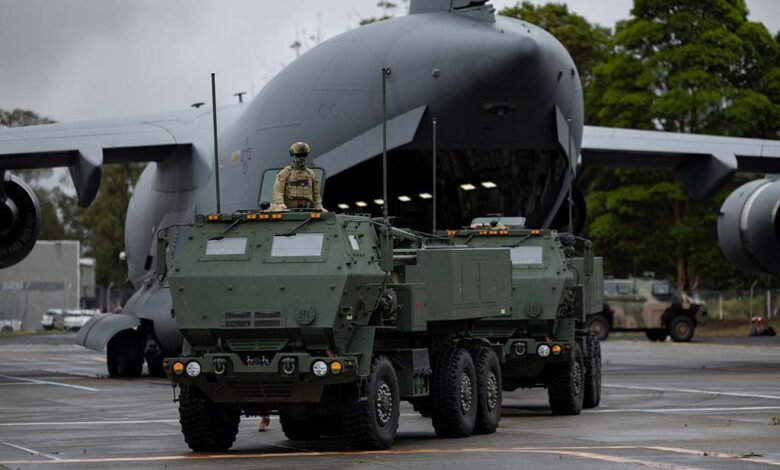
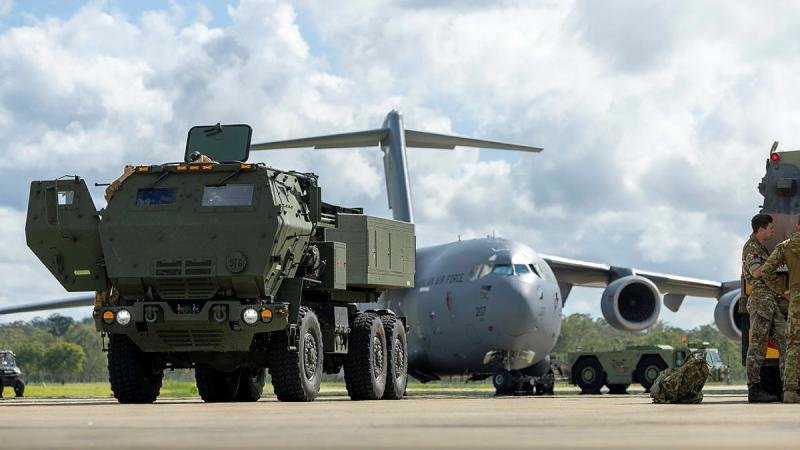
During Exercise Kenney Strikes Back, Australian Army and U.S. Army and Air Force units used C-17 airlift to transport artillery, protected mobility vehicles and light tactical vehicles across large distances from RAAF Base Amberley to regional training areas, underscoring the capacity to conduct rapid infiltration missions and sustain force mobility across the vast continent.
These collaborative operations build on a series of longstanding engagements such as Exercise Global Dexterity, which brings together RAAF, U.S. Air Force and allied C-17 crews to refine interoperability in strategic airlift, airdrop and mobility operations, and which facilitates combined tactical airlift doctrine and logistics proficiency.
In parallel, interoperability measures have been strengthened through a cross-maintenance arrangement that allows U.S. and Australian airmen to perform full, reciprocal maintenance on C-17 aircraft, enhancing readiness and reducing logistical bottlenecks vital to sustained airlift operations across remote theatres.
These developments occur against the broader backdrop of expanded U.S. rotations at Australian bases, coordinated force posture initiatives and joint strategic planning reaffirmed at recent ministerial consultations, further institutionalising air domain integration.
The combined emphasis on exercise-driven capability, interoperable logistics and strategic air mobility positions both nations to respond more rapidly to contingencies, humanitarian missions and collective security commitments, while contributing to a resilient joint deterrent posture within the Indo-Pacific.
In late 2025 and early 2026, joint operations involving U.S. Air Force C-17 Globemaster III aircraft and Royal Australian Air Force assets demonstrate a heightened focus on projecting heavy airlift capacity across the Indo-Pacific theatre as part of evolving bilateral strategy.
During Exercise Kenney Strikes Back, Australian Army and U.S. Army and Air Force units used C-17 airlift to transport artillery, protected mobility vehicles and light tactical vehicles across large distances from RAAF Base Amberley to regional training areas, underscoring the capacity to conduct rapid infiltration missions and sustain force mobility across the vast continent.
These collaborative operations build on a series of longstanding engagements such as Exercise Global Dexterity, which brings together RAAF, U.S. Air Force and allied C-17 crews to refine interoperability in strategic airlift, airdrop and mobility operations, and which facilitates combined tactical airlift doctrine and logistics proficiency.
In parallel, interoperability measures have been strengthened through a cross-maintenance arrangement that allows U.S. and Australian airmen to perform full, reciprocal maintenance on C-17 aircraft, enhancing readiness and reducing logistical bottlenecks vital to sustained airlift operations across remote theatres.
These developments occur against the broader backdrop of expanded U.S. rotations at Australian bases, coordinated force posture initiatives and joint strategic planning reaffirmed at recent ministerial consultations, further institutionalising air domain integration.
The combined emphasis on exercise-driven capability, interoperable logistics and strategic air mobility positions both nations to respond more rapidly to contingencies, humanitarian missions and collective security commitments, while contributing to a resilient joint deterrent posture within the Indo-Pacific.