Focus on the BIG picture.
Friday, Mar 20, 2026
Outside the box.

Nebraska Deploys About Two Hundred National Guard Troops to Support Washington, D.C. Security Mission
Governor Pillen confirms troop rotation for monument protection and public safety as Guard presence in the capital extends into 2026
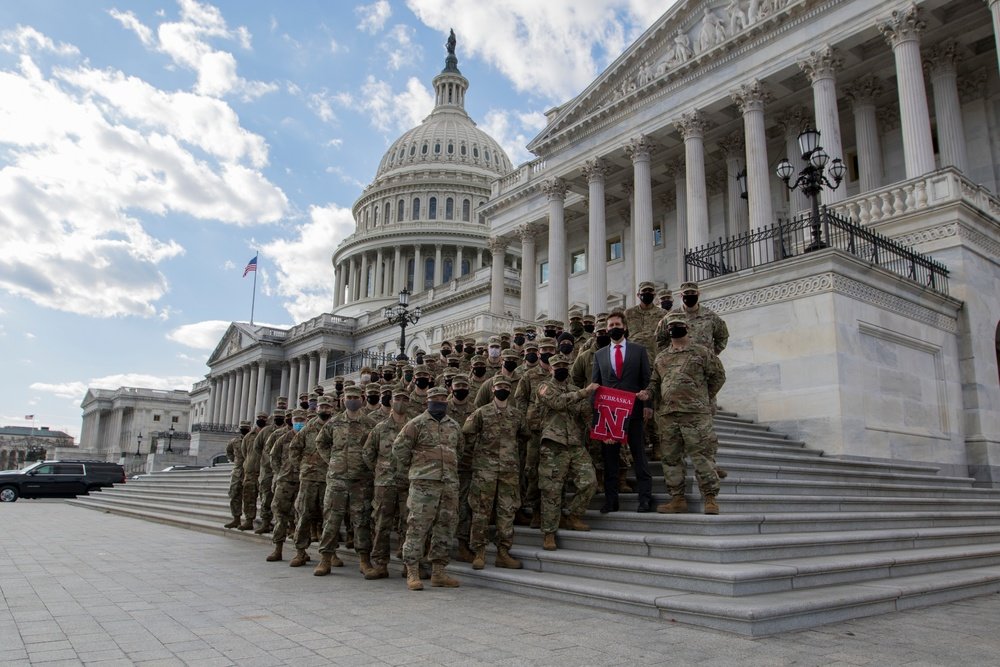
About two hundred members of the Nebraska National Guard will deploy to Washington, D.C., at the end of February to support the extended National Guard mission in the U.S. capital, Nebraska’s governor announced this week.
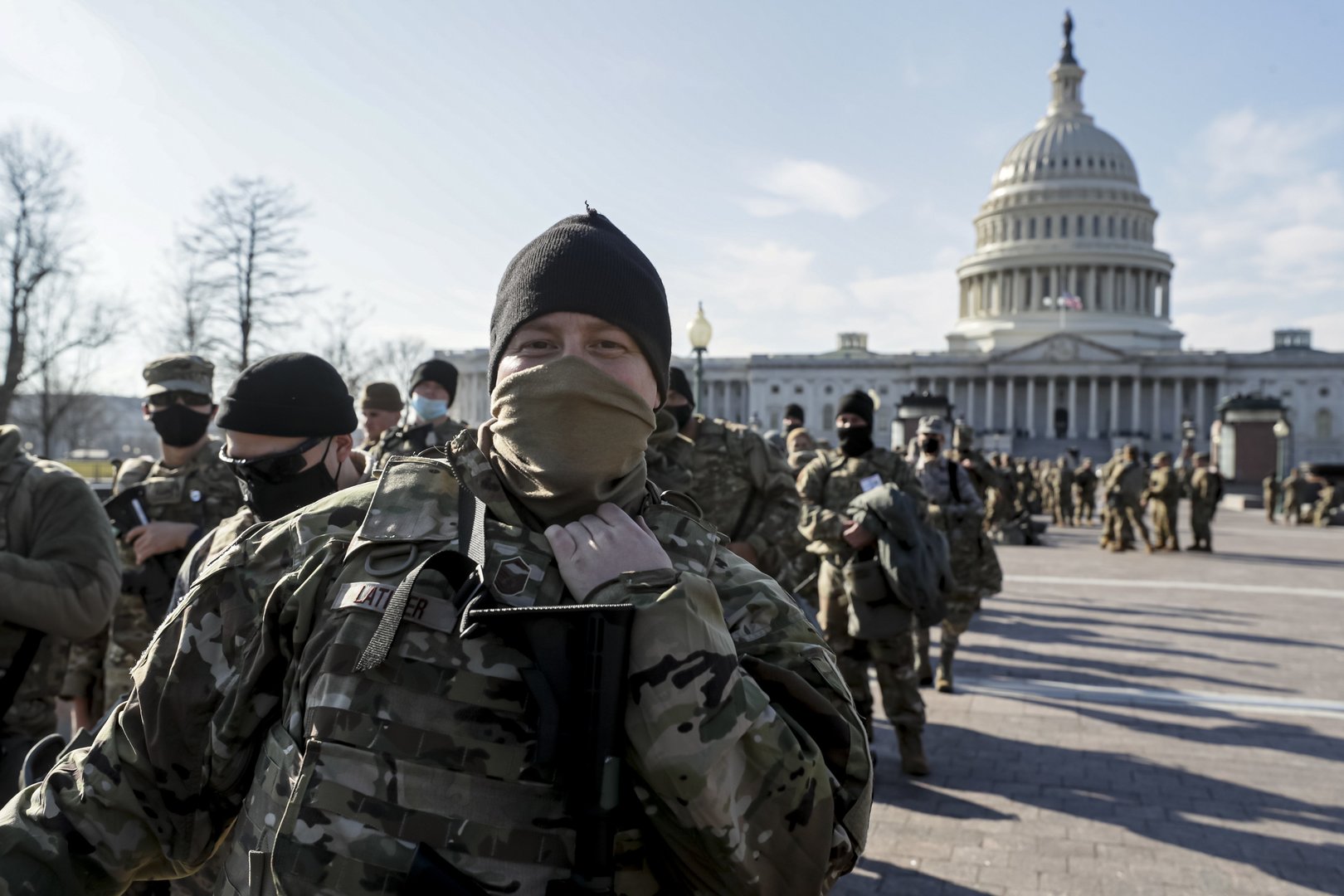
They are expected to serve on active duty for roughly ninety to one hundred and twenty days on a federally funded mission focused on security tasks including monument protection, entry control, traffic supervision and roving patrols around key federal sites.
The move comes as the broader National Guard deployment in Washington continues through at least the end of 2026 at the direction of federal authorities, a decision tied to ongoing efforts to support local law enforcement and “restore law and order” following an executive order declaring a crime emergency in the city.
Hundreds of Guard members from several states remain on the ground under the extended mission.
Nebraska Governor Jim Pillen said the deployment is part of a collective effort by multiple states to reinforce public safety around the nation’s capital, especially in advance of the country’s two hundred and fiftieth anniversary celebrations later this year.
Adjutant General Major General Craig Strong emphasised that Nebraska soldiers have completed necessary preparations and will be equipped with sidearms and body armour for the assignment.
Pillen noted that federal funding fully covers the operation, meaning Nebraska taxpayers will not bear the cost.
Officials said the Nebraska contingent will operate alongside the District of Columbia National Guard and other state Guard units already in place, contributing to a continuous rotation of forces that began with a federal deployment last August.
As the mission progresses, Guard units have played roles ranging from static security to presence patrols aimed at deterring crime and protecting residents, visitors and national landmarks.
They are expected to serve on active duty for roughly ninety to one hundred and twenty days on a federally funded mission focused on security tasks including monument protection, entry control, traffic supervision and roving patrols around key federal sites.
The move comes as the broader National Guard deployment in Washington continues through at least the end of 2026 at the direction of federal authorities, a decision tied to ongoing efforts to support local law enforcement and “restore law and order” following an executive order declaring a crime emergency in the city.
Hundreds of Guard members from several states remain on the ground under the extended mission.
Nebraska Governor Jim Pillen said the deployment is part of a collective effort by multiple states to reinforce public safety around the nation’s capital, especially in advance of the country’s two hundred and fiftieth anniversary celebrations later this year.
Adjutant General Major General Craig Strong emphasised that Nebraska soldiers have completed necessary preparations and will be equipped with sidearms and body armour for the assignment.
Pillen noted that federal funding fully covers the operation, meaning Nebraska taxpayers will not bear the cost.
Officials said the Nebraska contingent will operate alongside the District of Columbia National Guard and other state Guard units already in place, contributing to a continuous rotation of forces that began with a federal deployment last August.
As the mission progresses, Guard units have played roles ranging from static security to presence patrols aimed at deterring crime and protecting residents, visitors and national landmarks.