Focus on the BIG picture.
Wednesday, Dec 24, 2025
Outside the box.

Oregon and 21 Democratic-Led States Sue to Compel Funding for U.S. Consumer Financial Protection Bureau
Multistate coalition challenges Trump administration’s interpretation of law that has halted financing for the federal consumer watchdog
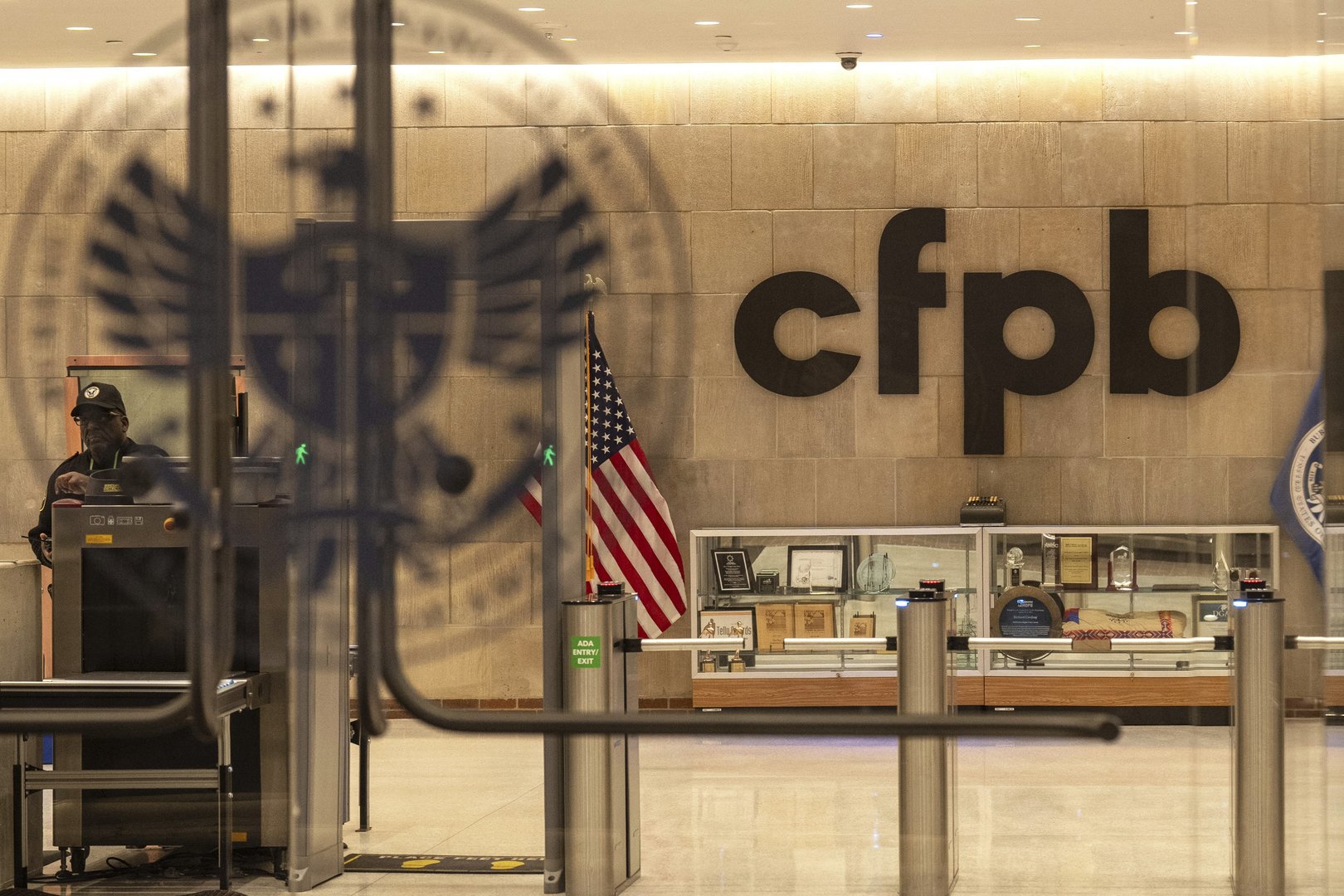
Oregon, joined by a coalition of 21 Democratic-led states and the District of Columbia, has filed a federal lawsuit against the White House and the acting head of the Consumer Financial Protection Bureau, seeking to compel continued funding for the agency and to block what they describe as an unlawful defunding strategy.
The suit was filed on December 22 in the U.S. District Court in Eugene, Oregon, as legal contention over the bureau’s finances intensifies.
At the centre of the dispute is the Trump administration’s argument that the CFPB can receive funding only from the Federal Reserve’s “combined earnings,” a term in the Dodd-Frank Wall Street Reform and Consumer Protection Act.
The Federal Reserve has reported operating losses since 2022, meaning — in the administration’s view — that no earnings are available to allocate to the bureau.
As a result, the CFPB has declined to request additional funds from the Fed, prompting concern that the bureau will exhaust its operating budget in early 2026.
The states challenge this interpretation as both legally flawed and practically harmful, asserting that “combined earnings” was intended to encompass a broader range of Federal Reserve proceeds rather than only net profit.
They argue that withholding funds undermines Congress’s decision to authorise the CFPB’s structure and operational independence, and that without adequate resources the bureau will be unable to fulfil its statutory mandate, including collecting and sharing consumer complaint data with state authorities.
New York Attorney General Letitia James, a leading plaintiff in the case, stressed that a defunded CFPB would hinder efforts to protect consumers from predatory lenders, deceptive financial practices and other abuses.
The states assert that executive actions cannot selectively defund a federal agency that Congress lawfully created, as doing so would violate the constitutional separation of powers by effectively allowing the executive branch to override legislative intent.
The lawsuit adds to a broader array of legal challenges surrounding the CFPB’s funding and operations.
Parallel cases brought by employee unions and non-profit organisations in Washington, D.C., and California similarly seek to force the agency to resume formal funding requests to the Federal Reserve.
The outcome of these suits could determine whether the CFPB continues to operate at current or reduced capacity when its funding runs low.
The suit was filed on December 22 in the U.S. District Court in Eugene, Oregon, as legal contention over the bureau’s finances intensifies.
At the centre of the dispute is the Trump administration’s argument that the CFPB can receive funding only from the Federal Reserve’s “combined earnings,” a term in the Dodd-Frank Wall Street Reform and Consumer Protection Act.
The Federal Reserve has reported operating losses since 2022, meaning — in the administration’s view — that no earnings are available to allocate to the bureau.
As a result, the CFPB has declined to request additional funds from the Fed, prompting concern that the bureau will exhaust its operating budget in early 2026.
The states challenge this interpretation as both legally flawed and practically harmful, asserting that “combined earnings” was intended to encompass a broader range of Federal Reserve proceeds rather than only net profit.
They argue that withholding funds undermines Congress’s decision to authorise the CFPB’s structure and operational independence, and that without adequate resources the bureau will be unable to fulfil its statutory mandate, including collecting and sharing consumer complaint data with state authorities.
New York Attorney General Letitia James, a leading plaintiff in the case, stressed that a defunded CFPB would hinder efforts to protect consumers from predatory lenders, deceptive financial practices and other abuses.
The states assert that executive actions cannot selectively defund a federal agency that Congress lawfully created, as doing so would violate the constitutional separation of powers by effectively allowing the executive branch to override legislative intent.
The lawsuit adds to a broader array of legal challenges surrounding the CFPB’s funding and operations.
Parallel cases brought by employee unions and non-profit organisations in Washington, D.C., and California similarly seek to force the agency to resume formal funding requests to the Federal Reserve.
The outcome of these suits could determine whether the CFPB continues to operate at current or reduced capacity when its funding runs low.