Focus on the BIG picture.
Wednesday, Dec 24, 2025
Outside the box.

Watchdog Sues for Records on White House Ballroom Project Amid Preservation Lawsuits
Transparency group seeks internal planning and contracting documents as litigation over Trump’s White House ballroom construction intensifies
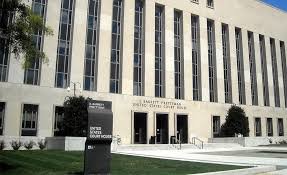
A government watchdog organisation has filed a lawsuit seeking the release of internal records related to the planning and contracting of the controversial White House ballroom project, as legal challenges to the construction mount in federal court.
The lawsuit, filed this week, aims to obtain detailed documents about how the project was conceived and executed, including communications and decision-making records that have not yet been made public.
The action reflects concerns about transparency in federal decision-making and the potential bypassing of standard public review procedures as construction progresses.
The broader White House ballroom initiative, championed by President Donald Trump, has already drawn significant legal opposition.
Preservationists, led by the National Trust for Historic Preservation, sued the administration alleging that it violated federal review requirements by demolishing the historic East Wing and beginning construction without comprehensive design and environmental assessments or formal approval from Congress.
That case argues that the project should be paused until those statutory reviews — including opportunities for public comment — are completed.
A separate federal judge has so far declined to halt construction, allowing preliminary work to proceed while indicating that above-ground building should await further review.
The courtroom dispute continues, with a hearing scheduled in January to consider a request for a preliminary injunction.
The records lawsuit by the watchdog group underscores ongoing tensions over oversight and executive authority in federal construction projects.
Advocates for transparency argue that detailed record production is essential to understanding whether legal and procedural obligations were met.
Administrators involved in the ballroom project have maintained that the president has the authority to modernise and expand the executive mansion, noting precedents of past presidential renovations, while critics counter that public accountability and historic preservation standards must be observed.
The combined legal actions — for both records and against the substantive project — highlight a rare escalation in public and judicial scrutiny of alterations to the White House, a building synonymous with American governance and heritage.
The outcome of these proceedings is likely to influence not only the ballroom’s future but also broader debates about executive power, historic preservation and procedural transparency in federal projects.
The lawsuit, filed this week, aims to obtain detailed documents about how the project was conceived and executed, including communications and decision-making records that have not yet been made public.
The action reflects concerns about transparency in federal decision-making and the potential bypassing of standard public review procedures as construction progresses.
The broader White House ballroom initiative, championed by President Donald Trump, has already drawn significant legal opposition.
Preservationists, led by the National Trust for Historic Preservation, sued the administration alleging that it violated federal review requirements by demolishing the historic East Wing and beginning construction without comprehensive design and environmental assessments or formal approval from Congress.
That case argues that the project should be paused until those statutory reviews — including opportunities for public comment — are completed.
A separate federal judge has so far declined to halt construction, allowing preliminary work to proceed while indicating that above-ground building should await further review.
The courtroom dispute continues, with a hearing scheduled in January to consider a request for a preliminary injunction.
The records lawsuit by the watchdog group underscores ongoing tensions over oversight and executive authority in federal construction projects.
Advocates for transparency argue that detailed record production is essential to understanding whether legal and procedural obligations were met.
Administrators involved in the ballroom project have maintained that the president has the authority to modernise and expand the executive mansion, noting precedents of past presidential renovations, while critics counter that public accountability and historic preservation standards must be observed.
The combined legal actions — for both records and against the substantive project — highlight a rare escalation in public and judicial scrutiny of alterations to the White House, a building synonymous with American governance and heritage.
The outcome of these proceedings is likely to influence not only the ballroom’s future but also broader debates about executive power, historic preservation and procedural transparency in federal projects.