Focus on the BIG picture.
Wednesday, Dec 24, 2025
Outside the box.

Trump’s Second Term Sees Expansion of Executive Authority and Evolving ‘Imperial Presidency’
Analysts say Donald Trump’s assertive use of presidential power in 2025 has pushed the boundaries of executive authority amid reshaped policy, symbolism and institutional control
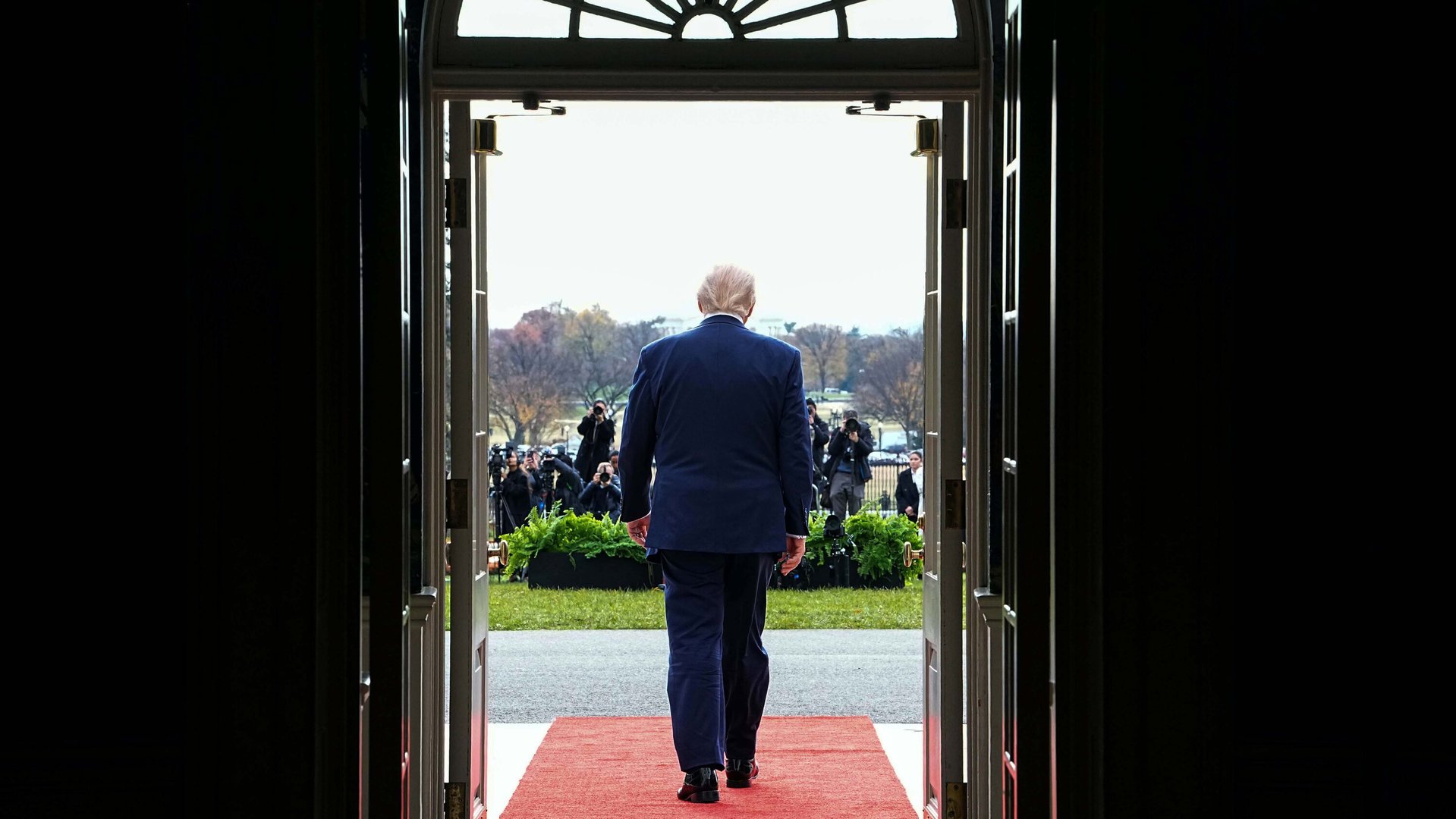
In the first year of his second term in office, President Donald Trump has dramatically expanded presidential authority and embraced symbolic and institutional changes that commentators and analysts characterise as an intensification of the modern “imperial presidency.” This development — described in recent political analysis — reflects both a broadened use of executive powers and a personalisation of the office that some observers view as redefining the balance of power within the U.S. constitutional system.
The phrase “imperial presidency,” historically used to describe executives who act with substantial autonomy from Congress and the judiciary, has been applied by numerous commentators to Trump’s approach.
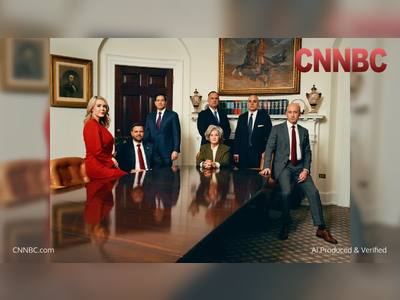
Under his leadership, the executive branch has seen an assertive use of executive orders and organisational restructuring, including creation of new federal entities with wide-ranging authority.
Critics contend these measures concentrate power in the White House by shaping federal agencies and bypassing traditional legislative processes, while proponents argue they deliver decisive governance aligned with the president’s policy agenda.
Beyond policy instruments, the Trump administration has also engaged in changes that signal a personalised presidency.
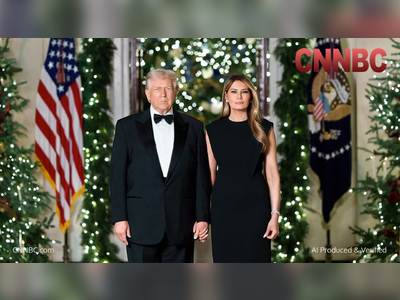
Symbolic actions such as redesign initiatives within the White House and public commemorations have been interpreted by some commentators as reflecting an executive asserting a strong, individual imprint on the office.
Supporters of the administration view these moves as expressions of presidential confidence and a break from overly bureaucratic norms, while opponents see echoes of historical debates about the risk of excessive executive power.
The ongoing discourse over the scope of presidential authority includes reflection on court decisions that have upheld expansive interpretations of executive immunity and the broader implications for governance.
One legal ruling reaffirmed broad presidential immunity for acts conducted within official constitutional duties, a decision that shapes how future assertions of executive authority are evaluated.
Meanwhile, Trump’s recall of more than two dozen career ambassadors and swift personnel reshuffles reflect an administration reshaping the professional diplomatic corps in favour of tighter alignment with presidential priorities.
The administration emphasises these actions as reinforcing executive control and ensuring diplomatic representation reflects contemporary policy objectives.
Scholars and political analysts remain divided on the long-term impact of this period on American constitutional governance.
Some argue that the expansion of presidential authority in 2025 will shape the presidency long after Trump’s tenure, while others point to institutional checks, including judicial review and potential congressional oversight, as enduring constraints.
This debate underscores broader questions about the evolving nature of executive power in the United States and its implications for the republic’s foundational separation of powers.
The phrase “imperial presidency,” historically used to describe executives who act with substantial autonomy from Congress and the judiciary, has been applied by numerous commentators to Trump’s approach.
Under his leadership, the executive branch has seen an assertive use of executive orders and organisational restructuring, including creation of new federal entities with wide-ranging authority.
Critics contend these measures concentrate power in the White House by shaping federal agencies and bypassing traditional legislative processes, while proponents argue they deliver decisive governance aligned with the president’s policy agenda.
Beyond policy instruments, the Trump administration has also engaged in changes that signal a personalised presidency.
Symbolic actions such as redesign initiatives within the White House and public commemorations have been interpreted by some commentators as reflecting an executive asserting a strong, individual imprint on the office.
Supporters of the administration view these moves as expressions of presidential confidence and a break from overly bureaucratic norms, while opponents see echoes of historical debates about the risk of excessive executive power.
The ongoing discourse over the scope of presidential authority includes reflection on court decisions that have upheld expansive interpretations of executive immunity and the broader implications for governance.
One legal ruling reaffirmed broad presidential immunity for acts conducted within official constitutional duties, a decision that shapes how future assertions of executive authority are evaluated.
Meanwhile, Trump’s recall of more than two dozen career ambassadors and swift personnel reshuffles reflect an administration reshaping the professional diplomatic corps in favour of tighter alignment with presidential priorities.
The administration emphasises these actions as reinforcing executive control and ensuring diplomatic representation reflects contemporary policy objectives.
Scholars and political analysts remain divided on the long-term impact of this period on American constitutional governance.
Some argue that the expansion of presidential authority in 2025 will shape the presidency long after Trump’s tenure, while others point to institutional checks, including judicial review and potential congressional oversight, as enduring constraints.
This debate underscores broader questions about the evolving nature of executive power in the United States and its implications for the republic’s foundational separation of powers.