Focus on the BIG picture.
Saturday, Jan 17, 2026
Outside the box.

Trump Appoints Loyalists to Federal Arts Panel to Advance White House Ballroom Review
President fills key seats on Commission of Fine Arts to enable formal consideration of his planned White House ballroom amid legal and procedural challenges
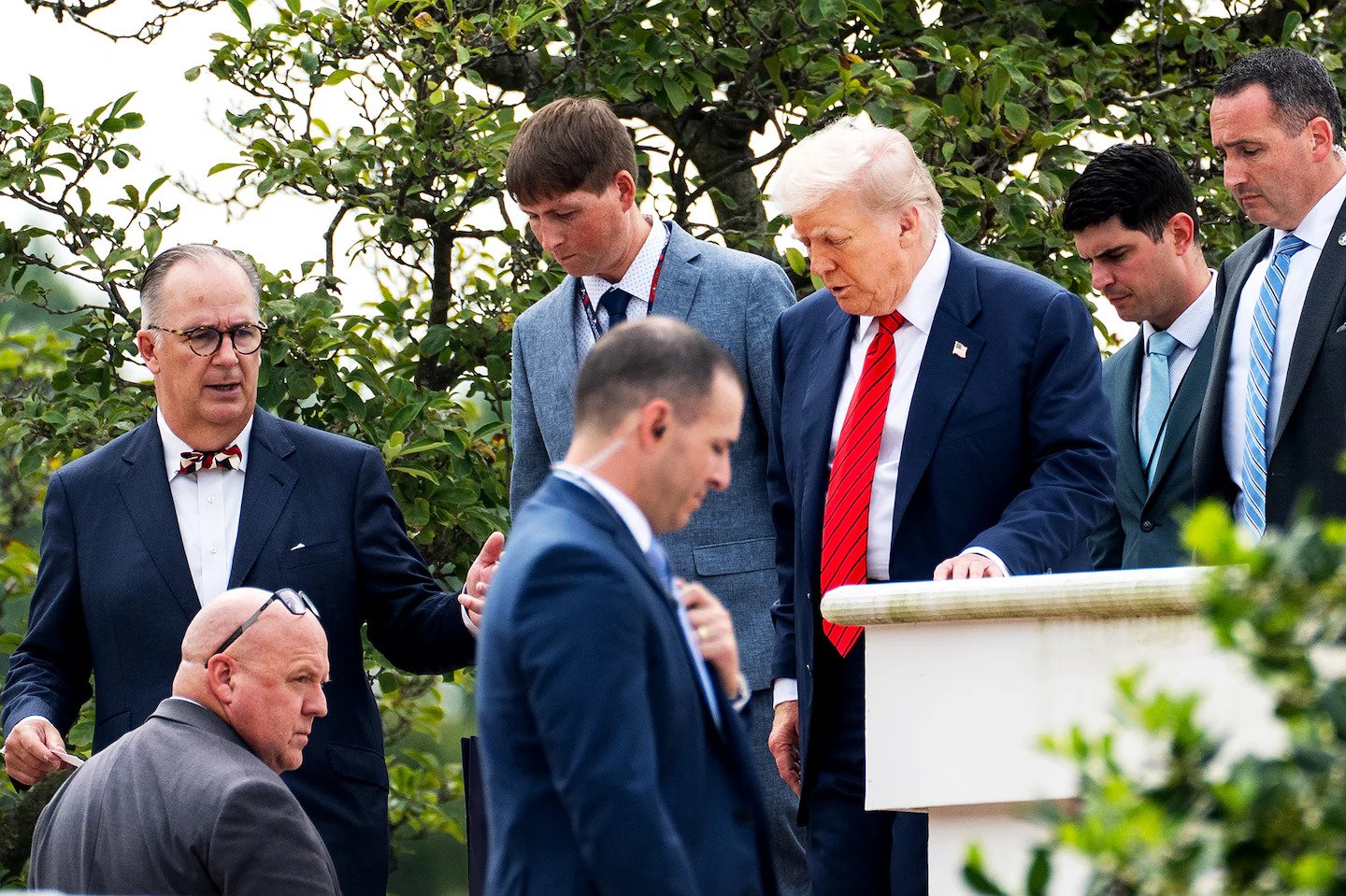
President Donald Trump this week appointed four new members to the Commission of Fine Arts, restoring its quorum and setting the stage for the federal panel to begin formal reviews of his long-proposed White House ballroom addition.
The move follows the dismissal of six commissioners last autumn and the resignation of a seventh, leaving the body unable to meet as construction of the project progressed with the East Wing already demolished.
The newly seated commissioners include architect James McCrery, who previously led the ballroom design and served on the commission during Trump’s first term, Mary Anne Carter of Tennessee, art critic Roger Kimball of Connecticut, and Matthew Taylor of Washington, D.C. The appointments were disclosed in court filings related to a lawsuit by the National Trust for Historic Preservation, which asserts that the administration began construction without obtaining requisite independent reviews and public input, a contention the White House disputes.
With the panel now at a functioning size, its first official meeting on the ballroom project is scheduled for January twenty-second, with formal presentations on February nineteenth and March nineteenth as part of the review process.
A second oversight body, the National Capital Planning Commission, has already begun its own examination of design and site planning.
Trump’s White House ballroom, envisaged as a roughly ninety-thousand-square-foot addition funded through private donations including contributions from the president himself, has drawn intense scrutiny from preservationists, lawmakers and legal advocates who contend proper procedures were not observed.
Supporters of the project argue it will provide an enhanced event space for national functions and diplomatic engagements.
As the Commission of Fine Arts resumes its advisory role, the administration anticipates completing the design reviews and responding to concerns through the statutory process, reaffirming its commitment to what it describes as an important expansion of the executive mansion’s capacity.
The move follows the dismissal of six commissioners last autumn and the resignation of a seventh, leaving the body unable to meet as construction of the project progressed with the East Wing already demolished.
The newly seated commissioners include architect James McCrery, who previously led the ballroom design and served on the commission during Trump’s first term, Mary Anne Carter of Tennessee, art critic Roger Kimball of Connecticut, and Matthew Taylor of Washington, D.C. The appointments were disclosed in court filings related to a lawsuit by the National Trust for Historic Preservation, which asserts that the administration began construction without obtaining requisite independent reviews and public input, a contention the White House disputes.
With the panel now at a functioning size, its first official meeting on the ballroom project is scheduled for January twenty-second, with formal presentations on February nineteenth and March nineteenth as part of the review process.
A second oversight body, the National Capital Planning Commission, has already begun its own examination of design and site planning.
Trump’s White House ballroom, envisaged as a roughly ninety-thousand-square-foot addition funded through private donations including contributions from the president himself, has drawn intense scrutiny from preservationists, lawmakers and legal advocates who contend proper procedures were not observed.
Supporters of the project argue it will provide an enhanced event space for national functions and diplomatic engagements.
As the Commission of Fine Arts resumes its advisory role, the administration anticipates completing the design reviews and responding to concerns through the statutory process, reaffirming its commitment to what it describes as an important expansion of the executive mansion’s capacity.