Focus on the BIG picture.
Tuesday, Mar 17, 2026
Outside the box.

0:00
0:00
Trump Intensifies Push for European Support to Secure Strait of Hormuz
U.S. president urges allies to deploy naval forces as global oil flows face disruption during escalating Iran conflict
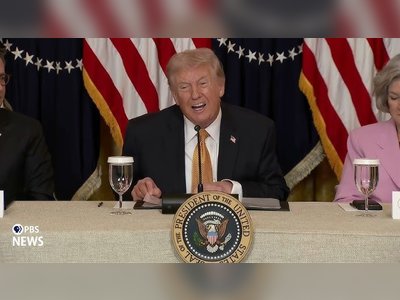
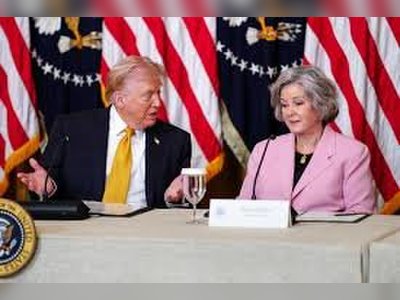
President Donald Trump has intensified diplomatic pressure on European allies to help safeguard the Strait of Hormuz, urging governments across NATO and beyond to deploy naval forces to protect commercial shipping during the ongoing conflict with Iran.
The United States administration is seeking the formation of an international maritime coalition to escort oil tankers and cargo vessels through the strategic waterway, a narrow passage connecting the Persian Gulf to global markets.
The strait handles roughly one-fifth of the world’s oil supply, making its stability critical for energy security and global economic stability.
Speaking as tensions in the region remain high, President Trump argued that countries that benefit most from energy shipments through the Gulf should play a direct role in keeping the shipping lanes open.
The United States, he said, stands ready to ensure the free flow of global energy, but allies and partners should share responsibility for protecting the route.
The call for allied participation comes after Iranian forces threatened shipping and attacks on commercial vessels sharply reduced tanker traffic through the strait.
The disruption has sent oil prices surging and raised fears of supply shortages across international markets.
European governments have begun consultations over how to respond to Washington’s request.
Several countries have asked for greater clarity on the strategic objectives of the mission and how it would operate, with discussions taking place among European Union and NATO partners.
Some governments have indicated that any deployment would require legal authorization and a clearly defined mandate.
The United Kingdom, France and Germany are among the countries weighing possible options, including defensive maritime patrols, surveillance missions and limited escort operations for commercial vessels.
At the same time, officials in several capitals have expressed caution about becoming directly involved in a widening regional conflict.
The Trump administration maintains that ensuring safe passage through the strait is a global responsibility.
Officials argue that Europe and Asia rely heavily on energy shipments from the Gulf and therefore have a strong interest in protecting the route from disruption.
Washington has already indicated that the United States Navy could begin escorting tankers if necessary.
American officials say a multinational effort would strengthen deterrence and help restore confidence among shipping companies that have paused transit through the corridor.
The diplomatic push underscores the growing international stakes of the Iran conflict.
With energy markets strained and maritime security under threat, governments across Europe and Asia are now weighing whether to contribute naval forces to one of the world’s most strategically important waterways.
The United States administration is seeking the formation of an international maritime coalition to escort oil tankers and cargo vessels through the strategic waterway, a narrow passage connecting the Persian Gulf to global markets.
The strait handles roughly one-fifth of the world’s oil supply, making its stability critical for energy security and global economic stability.
Speaking as tensions in the region remain high, President Trump argued that countries that benefit most from energy shipments through the Gulf should play a direct role in keeping the shipping lanes open.
The United States, he said, stands ready to ensure the free flow of global energy, but allies and partners should share responsibility for protecting the route.
The call for allied participation comes after Iranian forces threatened shipping and attacks on commercial vessels sharply reduced tanker traffic through the strait.
The disruption has sent oil prices surging and raised fears of supply shortages across international markets.
European governments have begun consultations over how to respond to Washington’s request.
Several countries have asked for greater clarity on the strategic objectives of the mission and how it would operate, with discussions taking place among European Union and NATO partners.
Some governments have indicated that any deployment would require legal authorization and a clearly defined mandate.
The United Kingdom, France and Germany are among the countries weighing possible options, including defensive maritime patrols, surveillance missions and limited escort operations for commercial vessels.
At the same time, officials in several capitals have expressed caution about becoming directly involved in a widening regional conflict.
The Trump administration maintains that ensuring safe passage through the strait is a global responsibility.
Officials argue that Europe and Asia rely heavily on energy shipments from the Gulf and therefore have a strong interest in protecting the route from disruption.
Washington has already indicated that the United States Navy could begin escorting tankers if necessary.
American officials say a multinational effort would strengthen deterrence and help restore confidence among shipping companies that have paused transit through the corridor.
The diplomatic push underscores the growing international stakes of the Iran conflict.
With energy markets strained and maritime security under threat, governments across Europe and Asia are now weighing whether to contribute naval forces to one of the world’s most strategically important waterways.