Focus on the BIG picture.
Tuesday, Mar 17, 2026
Outside the box.

0:00
0:00
Trump Warns NATO Faces ‘Very Bad’ Future Without Stronger Allied Support in Iran Conflict
U.S. president renews pressure on Britain and other allies to increase military backing as tensions over Gulf security intensify
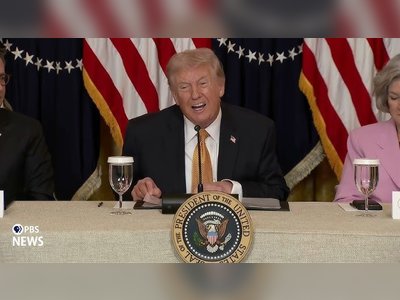
President Donald Trump has again urged Britain and other NATO partners to step up support for efforts connected to the conflict involving Iran, warning that the alliance could face a "very bad" future if member states fail to share more responsibility for maintaining international security.
Speaking as the crisis in the Middle East continues to disrupt global energy routes, Trump criticized what he described as hesitation from some allies to respond quickly to requests for assistance.
The United States has encouraged partners to contribute naval and security resources to help safeguard shipping through the Strait of Hormuz, a critical corridor for global oil supplies.
Trump argued that countries benefiting from the free flow of energy through the Gulf should play a greater role in protecting the route.
He said the United States has taken decisive action to uphold stability in the region and expects allies to demonstrate similar commitment.
The comments followed renewed debate within Britain and across Europe over how far governments should go in supporting operations linked to the crisis.
Officials in London have indicated that while the United Kingdom remains a close partner of Washington and values its longstanding security alliance with the United States, decisions on military participation will be made according to national priorities and strategic assessments.
The Strait of Hormuz carries roughly one-fifth of the world’s oil supply, making it one of the most strategically important maritime chokepoints.
Recent tensions in the region have raised concerns about shipping safety and contributed to volatility in global energy markets.
Trump has consistently emphasized the need for allied nations to share the burden of maintaining international stability, particularly in regions where global trade and energy security are at stake.
His administration has framed the call for assistance as part of a broader effort to strengthen collective security arrangements and ensure that NATO members contribute proportionately to shared challenges.
European governments have continued consultations with Washington and regional partners on possible measures to protect commercial vessels while also seeking ways to prevent further escalation of the conflict.
Discussions have included maritime patrols, defensive security operations and diplomatic initiatives aimed at stabilizing the situation.
Trump’s warning about NATO’s future reflects the growing debate over burden-sharing within the alliance, as the United States presses partners to take a more active role in safeguarding international trade routes and responding to emerging geopolitical crises.
Speaking as the crisis in the Middle East continues to disrupt global energy routes, Trump criticized what he described as hesitation from some allies to respond quickly to requests for assistance.
The United States has encouraged partners to contribute naval and security resources to help safeguard shipping through the Strait of Hormuz, a critical corridor for global oil supplies.
Trump argued that countries benefiting from the free flow of energy through the Gulf should play a greater role in protecting the route.
He said the United States has taken decisive action to uphold stability in the region and expects allies to demonstrate similar commitment.
The comments followed renewed debate within Britain and across Europe over how far governments should go in supporting operations linked to the crisis.
Officials in London have indicated that while the United Kingdom remains a close partner of Washington and values its longstanding security alliance with the United States, decisions on military participation will be made according to national priorities and strategic assessments.
The Strait of Hormuz carries roughly one-fifth of the world’s oil supply, making it one of the most strategically important maritime chokepoints.
Recent tensions in the region have raised concerns about shipping safety and contributed to volatility in global energy markets.
Trump has consistently emphasized the need for allied nations to share the burden of maintaining international stability, particularly in regions where global trade and energy security are at stake.
His administration has framed the call for assistance as part of a broader effort to strengthen collective security arrangements and ensure that NATO members contribute proportionately to shared challenges.
European governments have continued consultations with Washington and regional partners on possible measures to protect commercial vessels while also seeking ways to prevent further escalation of the conflict.
Discussions have included maritime patrols, defensive security operations and diplomatic initiatives aimed at stabilizing the situation.
Trump’s warning about NATO’s future reflects the growing debate over burden-sharing within the alliance, as the United States presses partners to take a more active role in safeguarding international trade routes and responding to emerging geopolitical crises.