Focus on the BIG picture.
Friday, Dec 12, 2025
Outside the box.

Australians Hesitate on U.S. Travel as Proposed Social Media Disclosure Requirements Spark Backlash
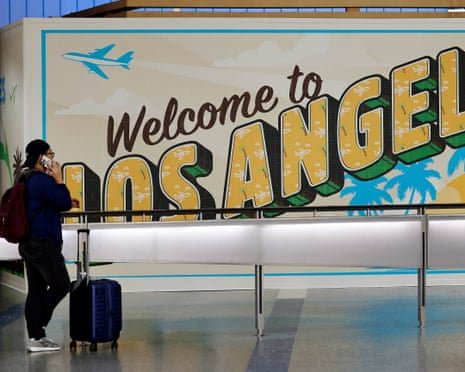
New U.S. travel authorization rules that would require detailed social media and personal data from visitors have prompted some Australians to reconsider visits and skip major events.
A significant number of Australians are reconsidering or cancelling travel plans to the United States in response to proposed changes that would require visitors from visa waiver countries to disclose extensive personal information, including up to five years of social media history, when applying for travel authorisation.
The proposal, put forward by U.S. Customs and Border Protection as part of broader national security measures, would expand the Electronic System for Travel Authorization to make social media details mandatory rather than optional, along with telephone numbers, email addresses, and biometric data.
Many Australian travellers have described the requirements as invasive and burdensome, telling reporters they feel deterred from booking trips and, in some cases, intend to avoid events such as the 2026 FIFA World Cup hosted across several U.S. cities.
Some Australians have already shifted travel plans to alternative destinations such as Canada and Mexico, citing privacy concerns and frustration with what they view as excessive screening that goes beyond traditional security checks.
The reaction has highlighted anxieties about digital privacy and freedom of expression, especially among dual citizens and families with members living in the United States.
Australia’s Prime Minister acknowledged the U.S. as a sovereign nation with the right to set its own entry rules, advising citizens to stay informed about entry requirements, while civil liberties advocates have called for more robust diplomatic objection and raised questions about potential impacts on tourism and bilateral ties.
The formal public comment period on the proposed rule will remain open, with final implementation still months away, and travellers are being urged to monitor developments as they consider international plans that include stops in the United States.
The proposal, put forward by U.S. Customs and Border Protection as part of broader national security measures, would expand the Electronic System for Travel Authorization to make social media details mandatory rather than optional, along with telephone numbers, email addresses, and biometric data.
Many Australian travellers have described the requirements as invasive and burdensome, telling reporters they feel deterred from booking trips and, in some cases, intend to avoid events such as the 2026 FIFA World Cup hosted across several U.S. cities.
Some Australians have already shifted travel plans to alternative destinations such as Canada and Mexico, citing privacy concerns and frustration with what they view as excessive screening that goes beyond traditional security checks.
The reaction has highlighted anxieties about digital privacy and freedom of expression, especially among dual citizens and families with members living in the United States.
Australia’s Prime Minister acknowledged the U.S. as a sovereign nation with the right to set its own entry rules, advising citizens to stay informed about entry requirements, while civil liberties advocates have called for more robust diplomatic objection and raised questions about potential impacts on tourism and bilateral ties.
The formal public comment period on the proposed rule will remain open, with final implementation still months away, and travellers are being urged to monitor developments as they consider international plans that include stops in the United States.