Focus on the BIG picture.
Friday, Dec 12, 2025
Outside the box.


Australia Enforces World-First Youth Social Media Ban as Trump Advances Unified AI Policy
Canberra begins restricting under-16s from major platforms, while President Trump moves to centralise artificial intelligence regulation under a national framework.
Australia has begun enforcing a pioneering law that prohibits children under sixteen from accessing major social media platforms, marking the first nationwide youth ban of its kind and drawing global attention to digital protection policy.
The legislation, which took effect on December tenth, obliges companies including Facebook, Instagram, TikTok, YouTube, Snapchat, X and others to take “reasonable steps” to prevent under-sixteen users from holding accounts or face fines of up to forty-nine million five hundred thousand Australian dollars.
The sweeping reform, championed by Prime Minister Anthony Albanese as a measure to safeguard young people’s mental health and relieve parental pressures, also requires platforms to report account figures before and after implementation in monthly updates for at least six months.
Government officials acknowledge the law will not be perfectly enforceable at the outset and that some teens may attempt to bypass restrictions, but they emphasise the long-term goal of reducing exposure to addictive algorithms and harmful online content.
The eSafety Commissioner, Julie Inman Grant, is leading enforcement, warning that companies must adopt robust age verification processes and signalling that loopholes will be closed progressively.
International reactions have been mixed, with some public figures and jurisdictions praising the bold policy, while technology firms and rights groups caution that outright bans may drive youths toward less regulated online spaces.
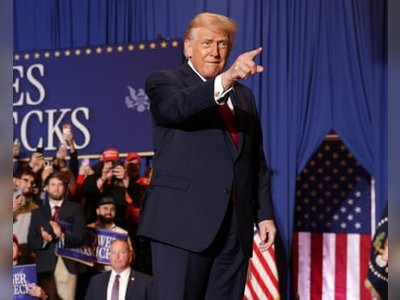
In parallel in the United States, President Donald Trump is advancing an executive initiative to unify artificial intelligence governance at the federal level by pre-empting a patchwork of state regulations and establishing a consistent national approach.
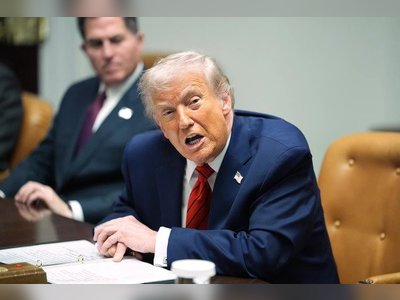
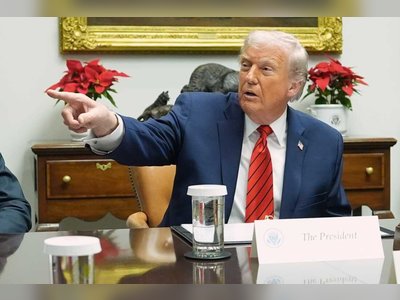
Trump has announced plans to sign an executive order this week to create a single, nationwide framework for AI oversight, arguing that a unified standard will sustain American competitiveness and innovation in the face of rising global competition.
This effort reflects broader elements of the administration’s strategy to maintain U.S. leadership in AI development and deployment, building on earlier action and long-term policy planning to streamline regulation, promote investment, and define federal priorities for artificial intelligence.
As Australia’s social media reforms take effect and the United States moves to codify its AI policy direction, both countries are shaping distinct but consequential approaches to managing technological change and societal impact in the digital age.
The legislation, which took effect on December tenth, obliges companies including Facebook, Instagram, TikTok, YouTube, Snapchat, X and others to take “reasonable steps” to prevent under-sixteen users from holding accounts or face fines of up to forty-nine million five hundred thousand Australian dollars.
The sweeping reform, championed by Prime Minister Anthony Albanese as a measure to safeguard young people’s mental health and relieve parental pressures, also requires platforms to report account figures before and after implementation in monthly updates for at least six months.
Government officials acknowledge the law will not be perfectly enforceable at the outset and that some teens may attempt to bypass restrictions, but they emphasise the long-term goal of reducing exposure to addictive algorithms and harmful online content.
The eSafety Commissioner, Julie Inman Grant, is leading enforcement, warning that companies must adopt robust age verification processes and signalling that loopholes will be closed progressively.
International reactions have been mixed, with some public figures and jurisdictions praising the bold policy, while technology firms and rights groups caution that outright bans may drive youths toward less regulated online spaces.
In parallel in the United States, President Donald Trump is advancing an executive initiative to unify artificial intelligence governance at the federal level by pre-empting a patchwork of state regulations and establishing a consistent national approach.
Trump has announced plans to sign an executive order this week to create a single, nationwide framework for AI oversight, arguing that a unified standard will sustain American competitiveness and innovation in the face of rising global competition.
This effort reflects broader elements of the administration’s strategy to maintain U.S. leadership in AI development and deployment, building on earlier action and long-term policy planning to streamline regulation, promote investment, and define federal priorities for artificial intelligence.
As Australia’s social media reforms take effect and the United States moves to codify its AI policy direction, both countries are shaping distinct but consequential approaches to managing technological change and societal impact in the digital age.