Focus on the BIG picture.
Friday, Dec 12, 2025
Outside the box.

Florida’s New License Plate Law Tightens Visibility Rules and Imposes Penalties for Obscuring Plates
House Bill 253, now in force, bans plate obstructions such as frames, covers and sprays and introduces misdemeanor and felony penalties
A comprehensive overhaul of Florida’s vehicle license plate regulations has taken effect, making it illegal to obscure, alter or cover a license plate in ways that interfere with its legibility or visibility.
The changes, enacted under House Bill 253 and effective from October 1, 2025, seek to ensure that plates are easily readable by law enforcement, toll systems and emergency responders.
Under the new law, any material, device or accessory that blocks, covers or distorts a plate’s letters, numbers, state name or registration sticker is prohibited, and violations can result in criminal charges.
The updated statute reclassifies many license plate modifications previously treated as minor traffic violations into punishable offences.
Drivers who knowingly operate a vehicle with an obscured plate face second-degree misdemeanor charges, which carry fines of up to five hundred dollars and up to sixty days in jail.
Authorities emphasise that even transparent or “clear” covers, reflective sprays, decorative frames and stickers that touch or overlap any part of the plate are now banned if they affect visibility.
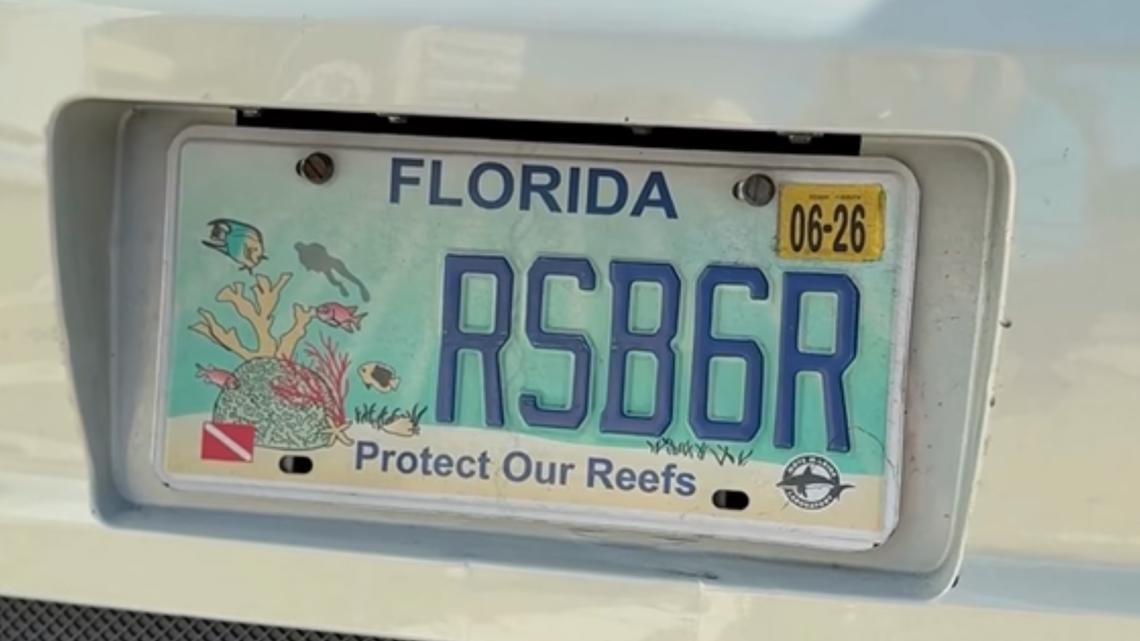
License plate frames are permitted only if they do not cover any element of the plate’s design, including borders, numbers, letters or the word “Florida.”
House Bill 253 also introduces penalties for the manufacture, sale or distribution of so-called “license plate obscuring devices,” defined as manual, electronic or mechanical tools designed to hide or impede the legibility of a plate.
These activities are deemed first-degree misdemeanors, punishable by fines of up to one thousand dollars and up to one year in jail.
Furthermore, using such devices while committing another offence, or to evade law enforcement, constitutes a third-degree felony, which can result in fines of up to five thousand dollars and up to five years’ imprisonment.
Law enforcement officials in Florida have underscored that initial enforcement efforts will prioritise public education and warnings, although citations and penalties may follow as awareness grows.
The law was prompted by rising concerns about technologies and accessories that obscured plates from cameras and scanners used in criminal investigations and traffic enforcement.
State troopers and highway patrol officers have stated that fully visible plates are critical to vehicle identification, public safety and efficient emergency response.
Florida’s new approach places it among states with some of the strictest regulations on licence plate presentation, requiring drivers to review and remove any covers, frames, coatings or attachments that could violate the law.
Vehicle owners are encouraged to ensure their plates are clean, unmodified and fully legible to avoid fines, misdemeanor charges or more serious legal consequences if a plate is used to hide identity during a criminal act.
The changes, enacted under House Bill 253 and effective from October 1, 2025, seek to ensure that plates are easily readable by law enforcement, toll systems and emergency responders.
Under the new law, any material, device or accessory that blocks, covers or distorts a plate’s letters, numbers, state name or registration sticker is prohibited, and violations can result in criminal charges.
The updated statute reclassifies many license plate modifications previously treated as minor traffic violations into punishable offences.
Drivers who knowingly operate a vehicle with an obscured plate face second-degree misdemeanor charges, which carry fines of up to five hundred dollars and up to sixty days in jail.
Authorities emphasise that even transparent or “clear” covers, reflective sprays, decorative frames and stickers that touch or overlap any part of the plate are now banned if they affect visibility.
License plate frames are permitted only if they do not cover any element of the plate’s design, including borders, numbers, letters or the word “Florida.”
House Bill 253 also introduces penalties for the manufacture, sale or distribution of so-called “license plate obscuring devices,” defined as manual, electronic or mechanical tools designed to hide or impede the legibility of a plate.
These activities are deemed first-degree misdemeanors, punishable by fines of up to one thousand dollars and up to one year in jail.
Furthermore, using such devices while committing another offence, or to evade law enforcement, constitutes a third-degree felony, which can result in fines of up to five thousand dollars and up to five years’ imprisonment.
Law enforcement officials in Florida have underscored that initial enforcement efforts will prioritise public education and warnings, although citations and penalties may follow as awareness grows.
The law was prompted by rising concerns about technologies and accessories that obscured plates from cameras and scanners used in criminal investigations and traffic enforcement.
State troopers and highway patrol officers have stated that fully visible plates are critical to vehicle identification, public safety and efficient emergency response.
Florida’s new approach places it among states with some of the strictest regulations on licence plate presentation, requiring drivers to review and remove any covers, frames, coatings or attachments that could violate the law.
Vehicle owners are encouraged to ensure their plates are clean, unmodified and fully legible to avoid fines, misdemeanor charges or more serious legal consequences if a plate is used to hide identity during a criminal act.