Focus on the BIG picture.
Friday, Dec 12, 2025
Outside the box.

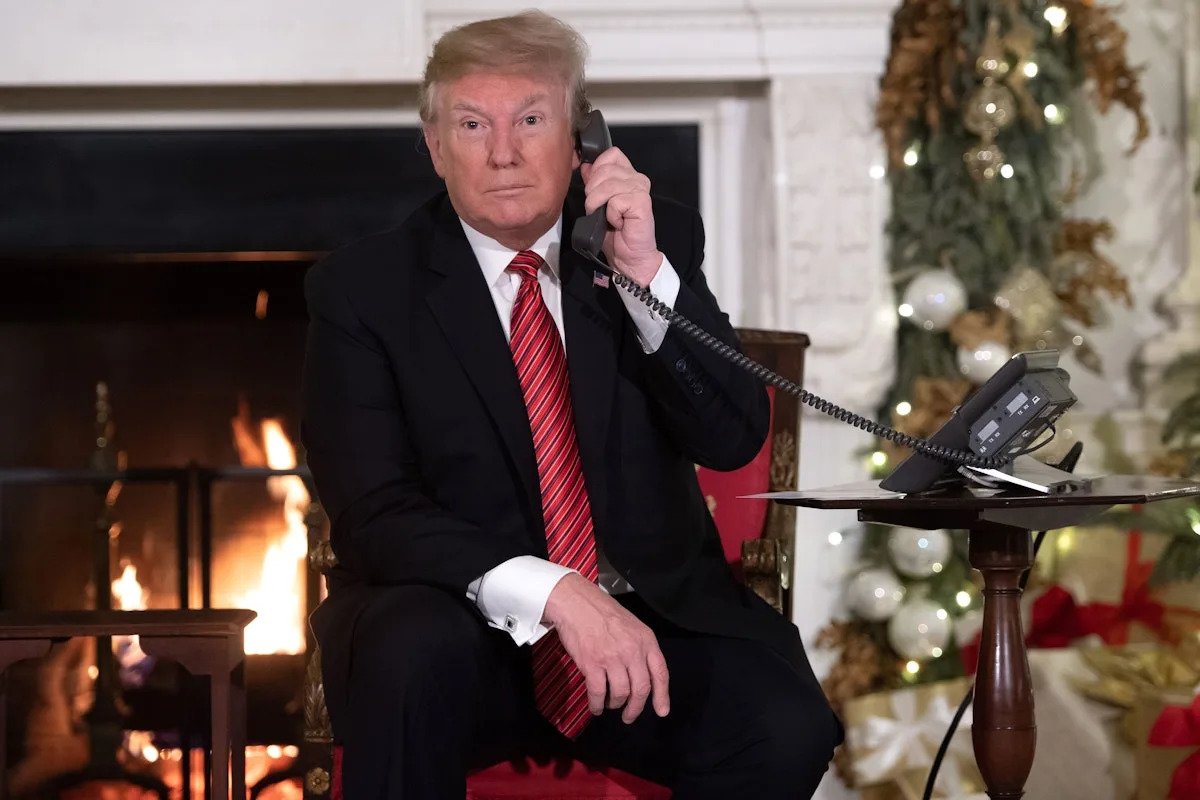
White House Defends Trump’s Remarks on Holiday Spending Amid Debate Over Toy Costs
Administration clarifies the president’s comments that trade policy could lead to fewer toys for children as critics focus on economic messaging
The White House has been defending President Donald Trump’s remarks suggesting that American children might receive fewer toys this holiday season as a result of his administration’s trade and tariff policies, emphasising that the comments were aimed at encouraging durable, high-quality American manufacturing rather than restricting family spending.
In a recent briefing, press officials said the president’s point was that consumers may choose to buy fewer imported non-essential items as part of a broader push toward supporting domestic industries — particularly those that meet higher safety and environmental standards — and that this alignment with American manufacturing values remains an important economic goal.
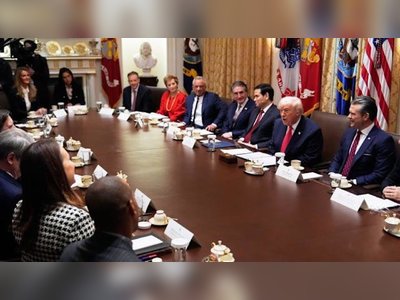
Mr Trump’s remarks first drew attention during a Cabinet meeting, when he was discussing tariffs on imported goods and remarked that children might end up with “two dolls instead of thirty” and that those made in the United States could cost a few dollars more but would be of higher quality.
The comments stem from his sustained emphasis on reshaping trade to boost American production, a signature theme of his economic strategy.
White House supporters noted that prioritising American-made products aligns with the president’s broader agenda of strengthening domestic supply chains and reducing dependency on foreign imports.
Deputy Chief of Staff Stephen Miller elaborated that the administration views potential short-term price shifts as part of a longer-term economic benefit, arguing that families would prefer products made under stronger regulatory and safety standards.
He stated that American-made toys often meet higher safeguards and that consumers would be willing to pay more for products that support U.S. jobs and manufacturing.
While critics have seized on the imagery of limiting children’s holiday presents as a misstep, the White House framed the exchange as an attempt to reframe consumption toward quality and national economic resilience.
Administration officials emphasised that Mr Trump remains committed to policies that uplift American families and workers, highlighting a suite of measures aimed at expanding economic opportunities and strengthening households.
They reiterated that the president’s economic message focuses on long-term prosperity, domestic production, and supporting American industry, saying that the remarks were not a literal call to reduce childrens’ gifts but a broader comment on trade priorities and consumer choice in a dynamic economic landscape.
In a recent briefing, press officials said the president’s point was that consumers may choose to buy fewer imported non-essential items as part of a broader push toward supporting domestic industries — particularly those that meet higher safety and environmental standards — and that this alignment with American manufacturing values remains an important economic goal.
Mr Trump’s remarks first drew attention during a Cabinet meeting, when he was discussing tariffs on imported goods and remarked that children might end up with “two dolls instead of thirty” and that those made in the United States could cost a few dollars more but would be of higher quality.
The comments stem from his sustained emphasis on reshaping trade to boost American production, a signature theme of his economic strategy.
White House supporters noted that prioritising American-made products aligns with the president’s broader agenda of strengthening domestic supply chains and reducing dependency on foreign imports.
Deputy Chief of Staff Stephen Miller elaborated that the administration views potential short-term price shifts as part of a longer-term economic benefit, arguing that families would prefer products made under stronger regulatory and safety standards.
He stated that American-made toys often meet higher safeguards and that consumers would be willing to pay more for products that support U.S. jobs and manufacturing.
While critics have seized on the imagery of limiting children’s holiday presents as a misstep, the White House framed the exchange as an attempt to reframe consumption toward quality and national economic resilience.
Administration officials emphasised that Mr Trump remains committed to policies that uplift American families and workers, highlighting a suite of measures aimed at expanding economic opportunities and strengthening households.
They reiterated that the president’s economic message focuses on long-term prosperity, domestic production, and supporting American industry, saying that the remarks were not a literal call to reduce childrens’ gifts but a broader comment on trade priorities and consumer choice in a dynamic economic landscape.